HeadPowder, a leading engineering firm based in Shandong, China, specializes in the design, manufacturing, and installation of advanced pneumatic conveying systems for various industrial applications. This article provides a detailed overview of the operation process and working principle of a chlorinated polyethylene (CPE) pneumatic conveying system, highlighting its key components, operational flow, and technical advantages.
Introduction to Chlorinated Polyethylene Pneumatic Conveying Systems
Chlorinated polyethylene (CPE) is a versatile polymer widely used in the manufacturing of plastic products, adhesives, and protective coatings due to its excellent chemical resistance, flexibility, and durability. Pneumatic conveying systems are essential for efficiently transporting CPE powders and granules from storage silos to processing units, ensuring smooth production workflows and minimizing material handling risks. The system designed by Shandong HeadPowder Engineering Co., Ltd. integrates advanced technology to optimize the handling of CPE materials, meeting the stringent requirements of modern industrial operations.
Key Components of the Pneumatic Conveying System
The chlorinated polyethylene pneumatic conveying system consists of several critical components that work in tandem to achieve efficient material transport. These include the material storage silo, feeder, air compressor, conveying line, and receiving hopper. Each component plays a vital role in the overall system performance:
1. Material Storage Silo: The CPE powder or granules are stored in a large, airtight silo to maintain consistent material quality and prevent moisture absorption. The silo is equipped with a level indicator and a discharge valve to control the material flow.
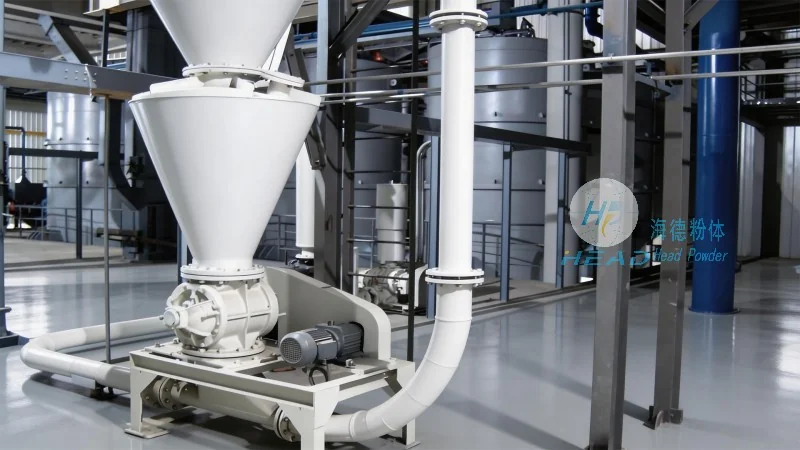
2. Feeder: A rotary valve or screw feeder is used to regulate the flow of CPE material from the silo into the conveying line. The feeder ensures a consistent and controlled feed rate, preventing overloading or underfeeding that could disrupt the system operation.
3. Air Compressor: A high-pressure air compressor generates the necessary airflow to move the CPE particles through the conveying line. The compressor is typically equipped with a filter and moisture separator to maintain clean air quality, which is crucial for preventing material contamination and equipment wear.
4. Conveying Line: The conveying line, usually made of stainless steel or other corrosion-resistant materials, transports the CPE particles under pressure. The line is designed with appropriate bends and fittings to minimize pressure loss and ensure smooth material movement.
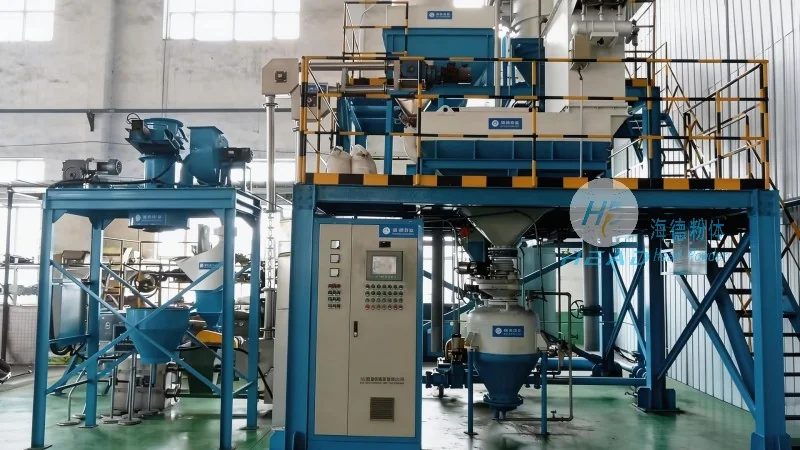
5. Receiving Hopper: The CPE material is deposited into a receiving hopper at the destination point. The hopper is equipped with a discharge valve to control the material release into the next processing stage, such as mixing or extrusion.
Working Principle of the Pneumatic Conveying System
The operation of the chlorinated polyethylene pneumatic conveying system follows a sequential process that ensures efficient material transport. The system operates on the principle of air pressure, where compressed air is used to create a flow that carries the CPE particles through the conveying line. The key steps in the working process are as follows:
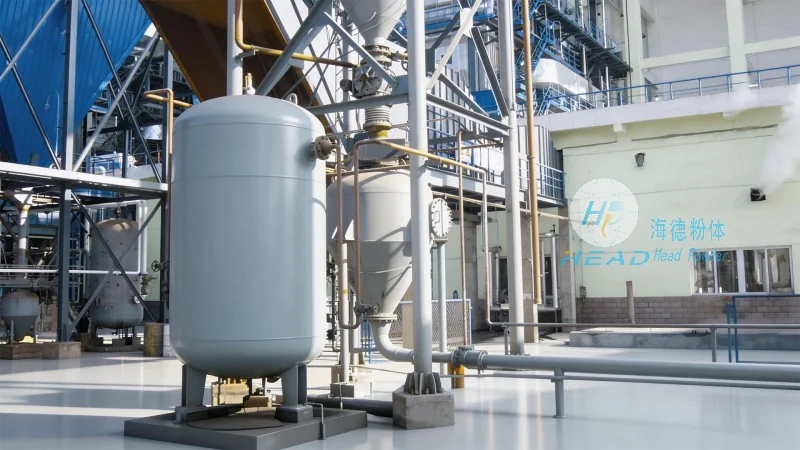
1. Air Compression and Preparation: The air compressor generates high-pressure air, which is then filtered and dried to remove impurities and moisture. This clean air is stored in a receiver tank, ready for use.
2. Material Feeding: The rotary valve or screw feeder draws CPE material from the storage silo and meters it into the conveying line at a controlled rate. The feeder ensures a consistent feed, preventing clogging or uneven material flow.
3. Conveying Process: The compressed air from the receiver tank is introduced into the conveying line, creating a positive pressure that propels the CPE particles forward. The air flow is maintained at an optimal velocity to ensure the particles are fully suspended and transported without settling or blockage.
4. Material Deposition: Upon reaching the destination point, the compressed air is released, and the CPE particles are deposited into the receiving hopper. The air flow is then vented, and the process repeats for continuous material transport.
Operation Process Flow
The operation process of the chlorinated polyethylene pneumatic conveying system is a continuous cycle that ensures seamless material handling. The flowchart of the process includes the following stages:
1. Start-up: The air compressor is activated, and the system is pressurized. The feeder is started to begin material feeding.
2. Material Transfer: The CPE particles are conveyed from the storage silo to the receiving hopper under the pressure of the compressed air.
3. Monitoring and Control: The system is equipped with sensors and control panels to monitor pressure, flow rate, and material level. Operators can adjust the settings in real-time to optimize performance and prevent issues.
4. Shutdown: When the material transfer is complete, the system is shut down by stopping the air compressor and feeder, and the pressure is released from the conveying line.
Technical Advantages and Applications
The chlorinated polyethylene pneumatic conveying system developed by Shandong HeadPowder Engineering Co., Ltd. offers several technical advantages that make it suitable for handling CPE materials in various industrial applications. These advantages include:
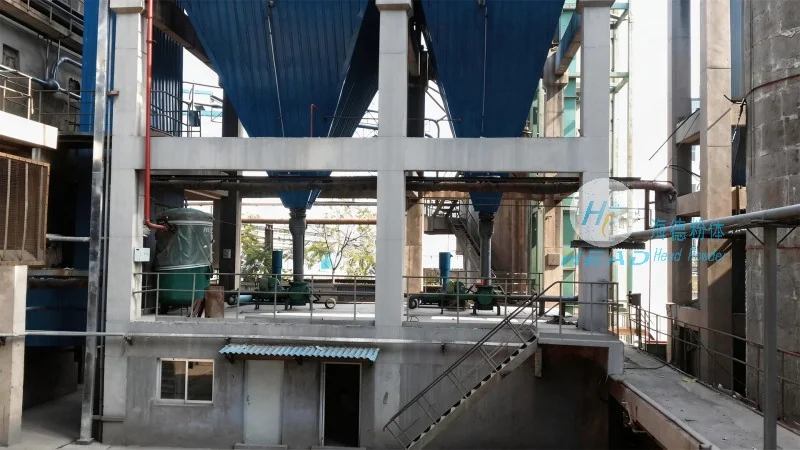
1. Efficient Material Handling: The system provides a continuous and efficient method for transporting CPE powders and granules, reducing labor costs and minimizing material loss.
2. Low Maintenance: The use of corrosion-resistant materials and advanced components ensures low maintenance requirements, resulting in lower operational costs.
3. Customizable Design: The system can be customized to meet specific process requirements, including different material feed rates, conveying distances, and pressure levels.
4. Environmental Benefits: Pneumatic conveying systems are enclosed, preventing dust emissions and ensuring a clean working environment, which is crucial for handling CPE materials that may be hazardous if not properly contained.
Applications of this system include the manufacturing of plastic products, adhesives, protective coatings, and other CPE-based materials. The system is particularly useful in industries where material handling efficiency and product quality are critical, such as the chemical and plastics industries.
Conclusion
The chlorinated polyethylene pneumatic conveying system by Shandong HeadPowder Engineering Co., Ltd. is a reliable and efficient solution for handling CPE materials in industrial settings. By understanding the key components, working principle, and operation process, users can optimize the system performance and ensure smooth production workflows. The system's technical advantages and customizable design make it a preferred choice for modern industrial applications, contributing to increased productivity and reduced operational costs.




