Polystyrene, a widely used thermoplastic material, often requires efficient handling and transportation in industrial applications. Pneumatic conveying systems offer a reliable solution for moving polystyrene particles from one location to another, ensuring minimal product degradation and operational efficiency. This article explores the operation process and working principles of such systems, highlighting the key components and mechanisms involved, as designed and implemented by Shandong HeadPowder Engineering Co., Ltd. (headpowder).
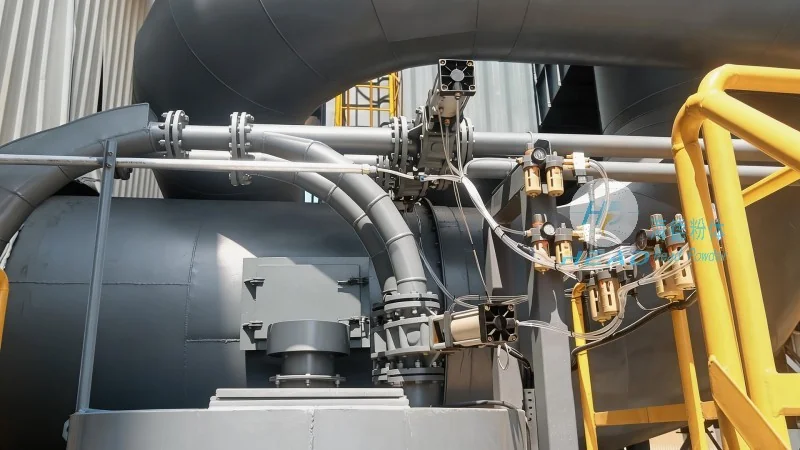
Key Components of the Pneumatic Conveying System
The pneumatic conveying system for polystyrene typically consists of several critical components that work in tandem to facilitate material transport. These include a hopper for material storage, a rotary valve or feeder to control the flow of polystyrene, a conveying pipeline, a vacuum or pressure source (depending on the system type), and a receiver or discharge unit. Each component plays a vital role in maintaining the system's performance and ensuring smooth operation. The hopper is designed to hold the polystyrene material securely, while the rotary valve or feeder regulates the flow rate, preventing overloading or underloading of the system. The conveying pipeline is made of materials resistant to polystyrene and the conveying air, such as stainless steel or specialized plastics, to avoid corrosion or material buildup. The vacuum or pressure source provides the necessary air flow to move the material, with the receiver collecting the polystyrene and preparing it for further processing.
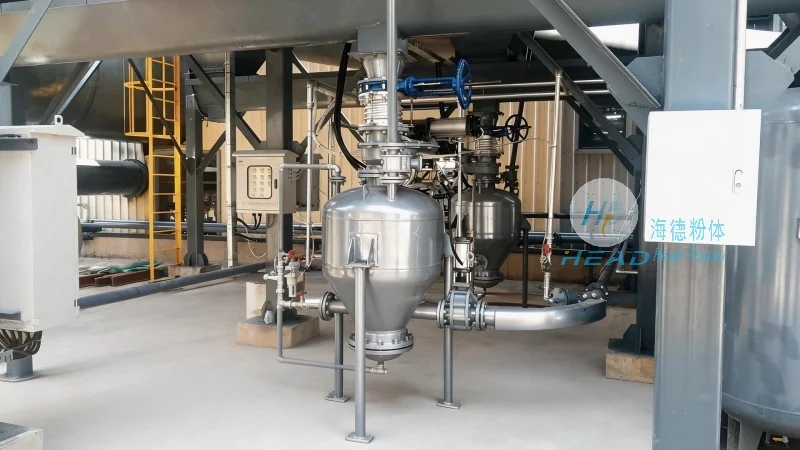
Operation Process: From Hopper to Discharge
The operation of a polystyrene pneumatic conveying system begins with the material being loaded into the hopper. The rotary valve or feeder then regulates the flow of polystyrene into the conveying pipeline. Depending on the system design—whether it's a vacuum or pressure system—the material is either drawn or pushed through the pipeline by the air flow. The conveying air, which can be filtered and conditioned to prevent contamination, carries the polystyrene particles to the receiver or discharge point. The receiver collects the material and may include features like a silo or storage tank for further processing. Throughout this process, the system maintains consistent air pressure or vacuum levels to ensure the material is transported without clogging or degradation. The control system monitors the flow rate and air pressure, adjusting as needed to maintain optimal performance. This ensures that the polystyrene is delivered to the destination efficiently and without damage.
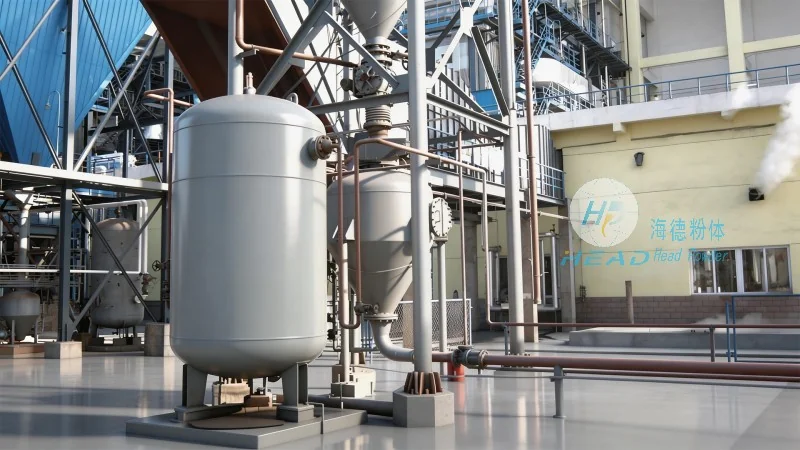
Working Principle: Air Flow and Particle Transport
The core working principle of a pneumatic conveying system involves the interaction between the conveying air and the polystyrene particles. In a pressure system, compressed air is introduced at the hopper end, creating a pressure differential that propels the material forward. The air flow velocity is carefully controlled to maintain a stable suspension of particles, preventing them from settling or clogging the pipeline. The design of the pipeline, including bends and fittings, is optimized to minimize pressure loss and maintain the air flow velocity necessary for efficient particle transport. In a vacuum system, the air is drawn from the receiver end, creating a negative pressure that pulls the material through the pipeline. The system incorporates filters and cyclones to separate the conveying air from the polystyrene particles, ensuring that the material is delivered in a clean and uncontaminated state. The air is then recycled or discharged, depending on the system's configuration. This separation process is crucial for maintaining the quality of the polystyrene and preventing the accumulation of dust or debris in the system.
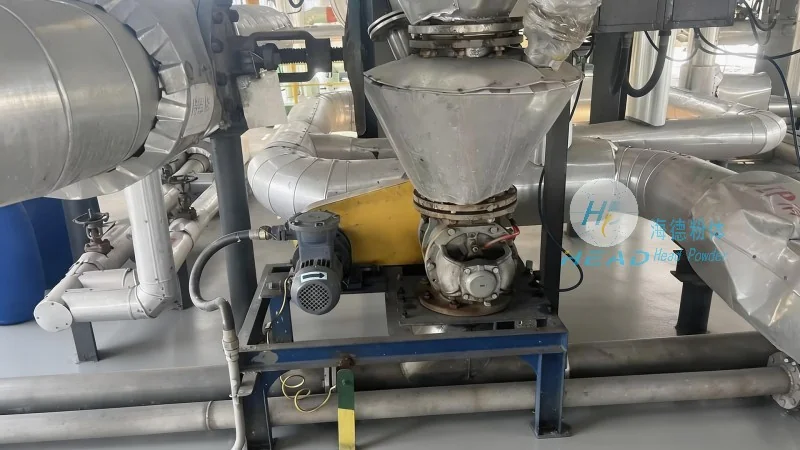
Advantages and Considerations for Polystyrene Handling
Pneumatic conveying systems offer several advantages when handling polystyrene, including the ability to transport materials over long distances, reduce labor costs by automating the process, and minimize product contamination. The systems are also relatively compact and can be integrated into existing industrial setups, making them a versatile solution for various applications. However, the system's performance depends on factors such as particle size, moisture content, and the system's design. Proper maintenance, including regular cleaning of filters and pipelines, is essential to prevent clogging and ensure consistent operation. Additionally, the choice between a vacuum and pressure system depends on the specific application requirements, such as the distance to be covered and the material's properties. For example, vacuum systems are often used for shorter distances or when the material is light and easily suspended, while pressure systems are better suited for longer distances or when the material is heavier or has a higher bulk density.




