When it comes to handling silicon carbide (SiC), a critical material widely used in high-tech industries, selecting the right conveying method is essential for efficiency, safety, and product integrity. The choice of conveying system depends on various factors including the material's properties, the scale of operation, and the specific application requirements. This article explores the primary methods used for silicon carbide transportation, providing insights into their applications and benefits.
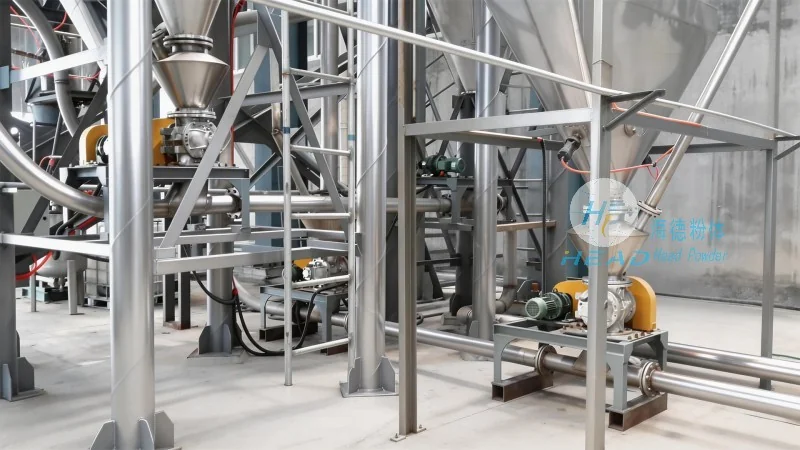
1. Screw Conveyors for Silicon Carbide
Screw conveyors, also known as auger conveyors, are a common choice for transporting silicon carbide, especially in bulk handling applications. These systems consist of a rotating helical screw inside a trough or tube, which moves material from one point to another through gravity or mechanical force. For silicon carbide, which can be abrasive and have a high density, screw conveyors are often constructed with durable materials such as stainless steel or high-grade alloys to withstand wear and corrosion. The design typically includes a sealed housing to prevent dust emissions and protect the environment. One of the key advantages of screw conveyors is their ability to handle vertical and horizontal transport in a compact footprint, making them suitable for confined spaces or where space is limited. They are particularly effective for transporting dry, free-flowing silicon carbide powders or granules, ensuring consistent flow rates and minimal material degradation. However, it's important to note that screw conveyors may not be ideal for very fine or highly abrasive powders, as they can cause excessive wear on the screw and trough walls over time.
2. Pneumatic Conveying Systems
Pneumatic conveying, or air-assisted transport, is another effective method for silicon carbide handling. This technology uses compressed air to move material through a pipeline system. There are two main types of pneumatic conveying: dilute-phase and dense-phase. Dilute-phase systems use low air velocity to transport material in a cloud-like state, suitable for lighter materials or when long distances are required. Dense-phase systems, on the other hand, use higher air pressure and lower velocity to move material in a more concentrated form, which is often preferred for silicon carbide due to its abrasive nature. The choice between these systems depends on the material's characteristics and the distance it needs to be transported. Pneumatic conveying offers several benefits for silicon carbide, including the ability to transport material in a closed system, reducing dust exposure and environmental impact. It also allows for precise control over flow rates and can handle both powders and small granules. However, the initial investment and energy consumption for pneumatic systems can be higher compared to mechanical conveyors, and they may require more maintenance due to the wear on the pipeline and air handling components.
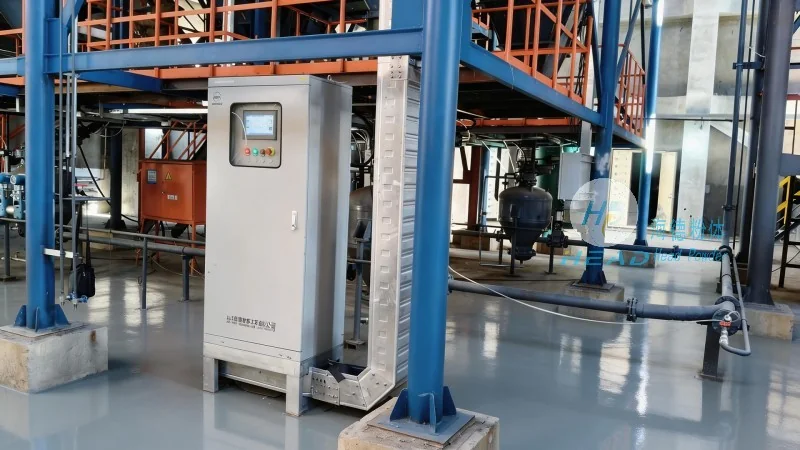
3. Belt Conveyors
Belt conveyors are widely used in industrial settings for transporting various materials, including silicon carbide. These systems consist of a continuous belt that moves over rollers or pulleys, carrying the material from the loading point to the discharge point. For silicon carbide, belt conveyors are typically equipped with special materials on the belt surface, such as rubber or polyurethane, to prevent material buildup and reduce wear. The design may also include a closed housing or dust collection system to minimize dust emissions. Belt conveyors are highly efficient for horizontal and slightly inclined transport over long distances, making them suitable for large-scale production lines. They can handle a wide range of material sizes and shapes, from fine powders to larger chunks of silicon carbide. One of the main advantages of belt conveyors is their high capacity and ability to transport large volumes of material continuously. However, they require regular maintenance to ensure the belt remains in good condition and to prevent material spillage. Additionally, belt conveyors may not be suitable for very fine or very abrasive powders, as they can cause the belt to wear out quickly.
4. Bucket Elevators
Bucket elevators are vertical conveying systems that use buckets attached to a chain or belt to lift and transport material vertically. This method is particularly useful for transporting silicon carbide from lower to higher levels, such as from a storage silo to a processing unit. The buckets are filled with material at the bottom and then lifted to the top, where they discharge the material into a hopper or chute. Bucket elevators are known for their high capacity and ability to handle vertical transport efficiently. They are often used in applications where space is limited vertically and horizontal transport is not feasible. For silicon carbide, bucket elevators are typically constructed with wear-resistant materials to withstand the abrasive nature of the material. The design may include a sealed housing to prevent dust and ensure safety. One of the key benefits of bucket elevators is their ability to transport material in a closed system, reducing dust exposure and environmental contamination. However, they require careful maintenance to ensure the buckets and chains are in good condition, as wear can lead to material spillage or system failure. Additionally, bucket elevators may not be suitable for very fine powders, as they can cause the material to become airborne during the lifting process.
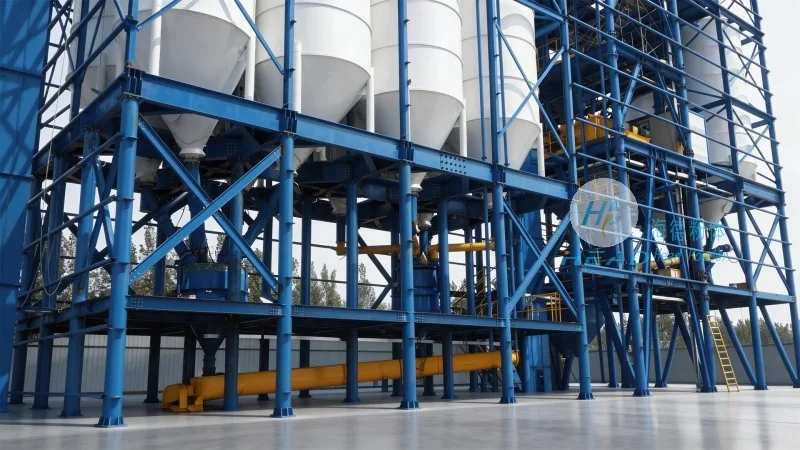
5. Vibrating Conveyors
Vibrating conveyors use vibrations to move material along a trough or pipe. These systems consist of a conveyor bed that is vibrated at a specific frequency and amplitude, causing the material to move forward. For silicon carbide, vibrating conveyors are often used for handling bulk materials, especially in applications where gentle handling is required to prevent material degradation. The design typically includes a flexible or rigid conveyor bed, depending on the material's properties. Vibrating conveyors are effective for transporting both dry and wet silicon carbide, as well as materials with high moisture content. They are particularly useful for materials that are sticky or have a tendency to clog, as the vibrations help to break up clumps and ensure smooth flow. One of the main advantages of vibrating conveyors is their ability to handle a wide range of material sizes and shapes, from fine powders to larger granules. They also require less maintenance compared to other conveying systems, as there are no moving parts that come into direct contact with the material. However, vibrating conveyors may not be suitable for very abrasive materials, as the vibrations can cause excessive wear on the conveyor bed and supporting structures. Additionally, they may not be as efficient for long horizontal distances compared to other systems.
6. Hydraulic Conveying
Hydraulic conveying systems use water or other liquids to transport silicon carbide through a pipeline. This method is particularly effective for materials that are difficult to handle by other means, such as very fine powders or those with high moisture content. The material is mixed with water to form a slurry, which is then pumped through the pipeline to the desired location. The slurry is then separated from the water, and the material is recovered. Hydraulic conveying offers several benefits for silicon carbide, including the ability to transport material over long distances with minimal energy consumption. It is also effective for handling materials that are prone to dust or clogging, as the liquid helps to keep the material in suspension. However, hydraulic systems require additional equipment for slurry separation and water treatment, which can increase the overall cost and complexity of the system. They also need regular maintenance to ensure the pumps and pipelines are in good condition, as wear can lead to system failure. Additionally, hydraulic conveying may not be suitable for materials that are sensitive to water or require dry handling, as the material may be damaged or contaminated during the process.




