When it comes to the efficient handling and transportation of mung beans, a well-designed pneumatic conveying system is crucial for ensuring optimal performance, minimal product damage, and cost-effective operation. For businesses in the mung bean processing industry, selecting the right system design is a critical step that can significantly impact overall productivity and product quality. This article will explore key considerations and best practices for designing a reasonable mung bean pneumatic conveying system, with a focus on the expertise of Shandong HeadPowder Engineering Co., Ltd., a leading provider in the field.
Understanding the Importance of System Design for Mung Beans
Mung beans are delicate agricultural products that require gentle handling during transportation to maintain their quality and market value. Unlike bulk materials like grains or powders, mung beans have a higher moisture content and are more susceptible to breakage or contamination if not handled properly. A poorly designed pneumatic conveying system can lead to increased product loss, higher maintenance costs, and reduced system efficiency. Therefore, a systematic approach to system design is essential to address these challenges effectively.
Key Factors to Consider in Mung Bean Pneumatic Conveying System Design
Several critical factors must be considered when designing a pneumatic conveying system for mung beans. First, the material's physical properties, such as particle size, density, and moisture content, play a significant role in determining the appropriate system type and components. Mung beans typically have a particle size ranging from 5 to 10 millimeters, with a bulk density of approximately 600-700 kg/m³. These characteristics influence the selection of air velocity, pressure, and equipment like hoppers, feeders, and conveying lines.
Second, the system's capacity requirements are a key consideration. The conveying rate needed depends on the production scale and throughput of the processing facility. For example, a small-scale operation might require a system with a capacity of 1-5 tons per hour, while a large industrial plant may need a system capable of handling 10-20 tons per hour or more. Accurately assessing the required capacity ensures that the system can meet the operational demands without over or underutilization.
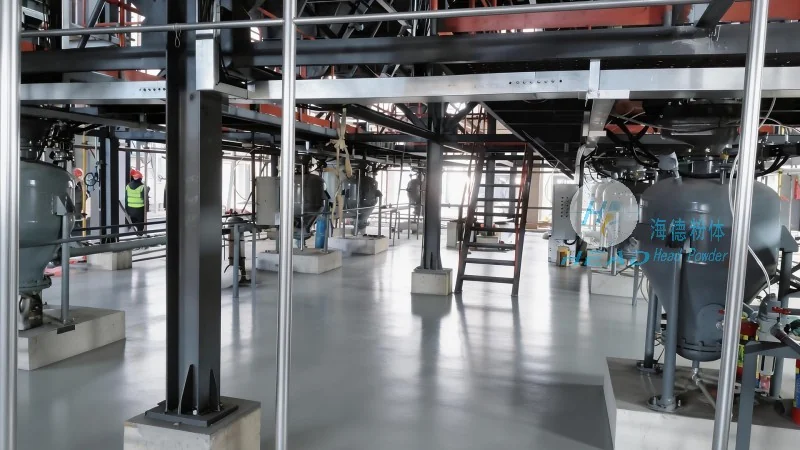
Third, the system layout and integration with existing processing equipment are important. The design should consider the spatial constraints of the facility, the location of the mung bean storage, processing, and packaging areas, and the need for seamless material flow. A well-integrated system minimizes material handling steps and reduces the risk of contamination or product loss during transfer.
Fourth, energy efficiency and operational costs are critical factors for long-term sustainability. Modern pneumatic conveying systems often incorporate energy-saving features, such as variable frequency drives (VFDs) for air compressors, and optimized air velocity settings to reduce power consumption. Additionally, selecting durable and low-maintenance components can lower operational costs over the system's lifespan.
Components of a Typical Mung Bean Pneumatic Conveying System
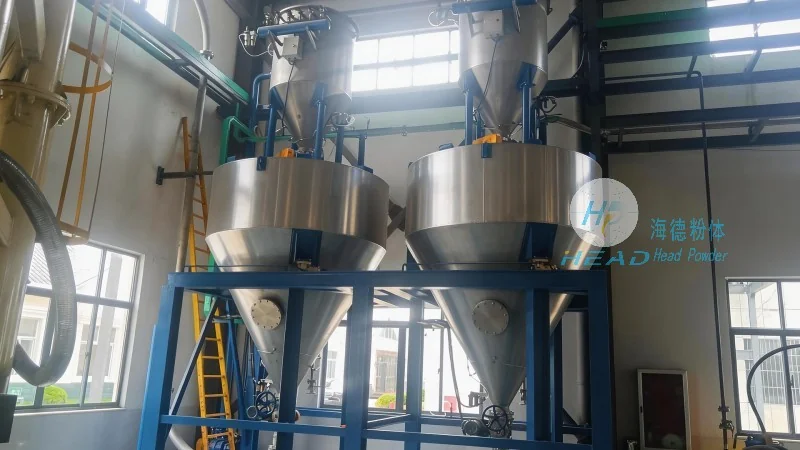
A standard mung bean pneumatic conveying system typically consists of several key components that work together to transport the material efficiently. The main components include a hopper for storing the mung beans, a feeder to control the material flow into the system, a blower or air compressor to generate the necessary air pressure, conveying lines to transport the material, and a receiver or collection hopper at the discharge end.
The hopper is designed to hold a sufficient quantity of mung beans and is equipped with a discharge valve or gate to regulate the material flow. The feeder, often a rotary valve or a screw feeder, ensures a consistent and controlled feed rate into the conveying line. The blower or air compressor provides the motive force by generating a high-velocity air stream that carries the mung beans through the system. The conveying lines are usually made of stainless steel or other corrosion-resistant materials to withstand the abrasive nature of the beans and prevent contamination.
The receiver or collection hopper at the discharge end collects the conveyed mung beans and may include a discharge valve or conveyor to transfer the material to the next processing stage. In some systems, additional components like filters or cyclones are used to separate any air from the material stream and return it to the blower for recirculation, improving energy efficiency.
Design Considerations for Gentle Handling of Mung Beans
Given the delicate nature of mung beans, the system design must prioritize gentle handling to minimize product damage. This involves controlling the air velocity within the conveying lines to avoid excessive particle impact and abrasion. The optimal air velocity for mung beans is typically between 20-30 meters per second, which provides sufficient lift while minimizing stress on the particles. Additionally, the use of smooth, rounded internal surfaces in the conveying lines and components can reduce friction and prevent breakage.
Another important consideration is the prevention of moisture buildup and contamination. Mung beans have a higher moisture content compared to some other grains, which can lead to mold growth or spoilage if not properly managed. The system design should include features such as moisture sensors or temperature controls to monitor the material condition and prevent issues. Proper cleaning and maintenance of the system components are also essential to maintain hygiene and product quality.
Case Study: Successful Implementation by Shandong HeadPowder Engineering Co., Ltd.
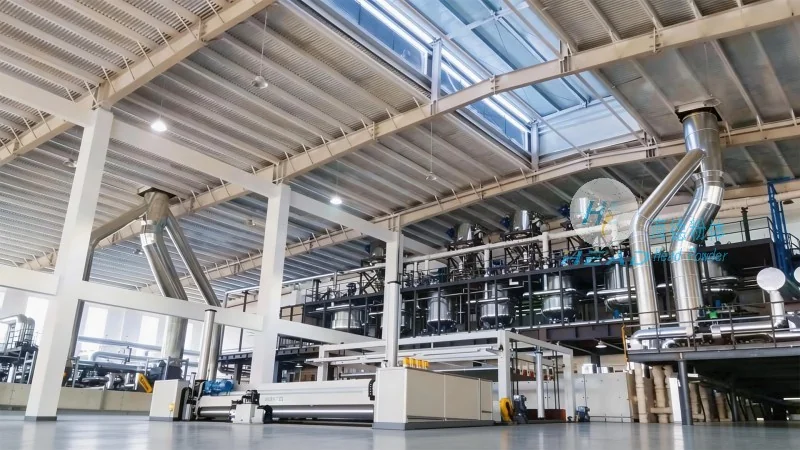
Shandong HeadPowder Engineering Co., Ltd., a leading provider of pneumatic conveying solutions, has successfully implemented numerous mung bean pneumatic conveying systems for clients across China. One notable project involved a large-scale mung bean processing plant in Shandong Province, where the company designed and installed a system with a capacity of 15 tons per hour. The system was tailored to the client's specific requirements, incorporating energy-efficient components and gentle handling features to minimize product damage.
The system's performance exceeded expectations, with a material loss rate of less than 0.5% and a high level of operational efficiency. The client reported significant cost savings due to reduced maintenance and lower energy consumption compared to their previous system. This success highlights the expertise of HeadPowder in designing customized mung bean pneumatic conveying systems that meet the unique needs of each client.
Conclusion and Recommendations
Designing a reasonable mung bean pneumatic conveying system requires a comprehensive understanding of the material's properties, operational requirements, and system components. By considering factors such as material handling, capacity, layout, and energy efficiency, businesses can select a system that maximizes productivity while minimizing costs and product damage. Shandong HeadPowder Engineering Co., Ltd. offers specialized expertise in this field, providing tailored solutions that address the specific challenges of mung bean processing. For businesses looking to improve their mung bean handling operations, consulting with experienced engineers like those at HeadPowder can lead to a well-designed system that enhances overall performance and profitability.




