PTFE, or polytetrafluoroethylene, is a highly versatile fluoropolymer known for its exceptional chemical resistance, thermal stability, and low coefficient of friction. These properties make PTFE an ideal material for various industrial applications, including material handling and conveying systems. As a leading manufacturer in the field, Shandong HeadPowder Engineering Co., Ltd. specializes in designing and producing PTFE-based conveying solutions tailored to meet diverse industrial requirements. Understanding the different PTFE conveying methods is crucial for selecting the most suitable system for specific processes.
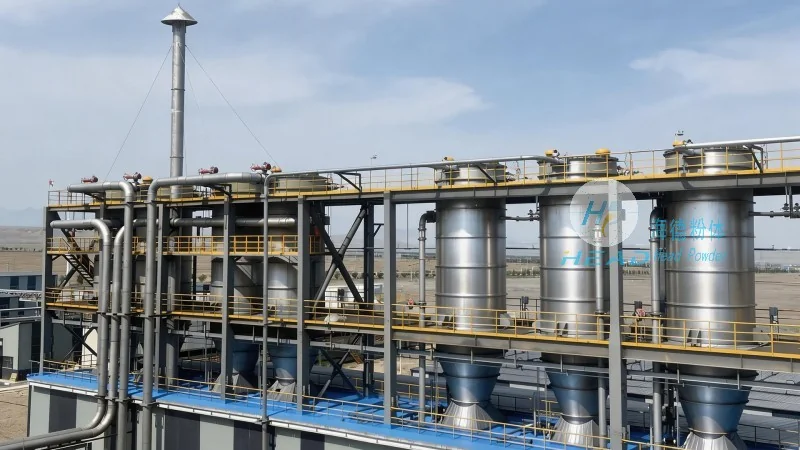
1. PTFE Screw Conveyors: A Reliable Bulk Material Transport Solution
Screw conveyors, also known as auger conveyors, are among the most common PTFE conveying methods used in industrial settings. These systems consist of a rotating screw (auger) enclosed in a PTFE-lined trough or tube. The screw rotates, pushing material forward through the conveyor. PTFE screw conveyors are particularly effective for handling dry, free-flowing powders and granules. The smooth PTFE surface minimizes friction and prevents material buildup, ensuring efficient and continuous operation. They are widely used in chemical, pharmaceutical, and food processing industries where material purity and gentle handling are critical. Shandong HeadPowder Engineering Co., Ltd. offers custom-designed PTFE screw conveyors with adjustable screw speeds and discharge configurations to optimize material flow and prevent clogging.
2. PTFE Belt Conveyors: Efficient Horizontal and Inclined Material Transfer
Belt conveyors are another popular PTFE conveying method, especially for transporting bulk materials over horizontal or slight incline distances. These systems feature a continuous PTFE belt that moves material from the loading point to the discharge point. The PTFE belt is often reinforced with a durable fabric or metal to enhance strength and longevity. PTFE belt conveyors are advantageous for applications requiring high material throughput and minimal maintenance. The non-stick surface of PTFE reduces wear and tear on the belt and prevents material adhesion, extending the system's operational life. Shandong HeadPowder Engineering Co., Ltd. provides PTFE belt conveyor solutions with variable speed drives and adjustable belt widths to accommodate different material types and load capacities. These conveyors are commonly used in mining, construction, and manufacturing sectors for transporting powders, granules, and bulk solids.
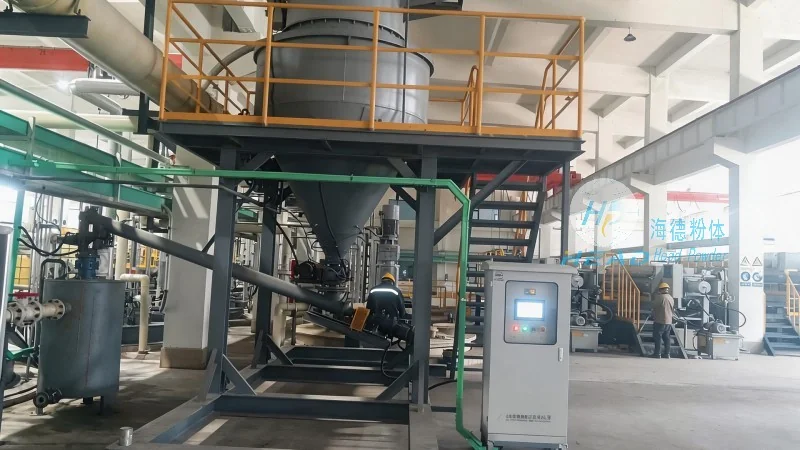
3. PTFE Pneumatic Conveying Systems: Air-Driven Material Transport
Pneumatic conveying systems use air or other gases to transport PTFE materials through a network of pipes. This method is particularly suitable for handling fine powders and dust that are difficult to convey with mechanical systems. PTFE pneumatic conveyors can be categorized into two main types: pressure and vacuum systems. Pressure systems force air and material through the pipe, while vacuum systems draw material into the system using a vacuum pump. PTFE is an excellent choice for pneumatic conveying due to its resistance to chemical corrosion and its ability to maintain material integrity during transport. Shandong HeadPowder Engineering Co., Ltd. designs and manufactures PTFE pneumatic conveying systems with high-efficiency air filters and material separation units to ensure clean and efficient material transfer. These systems are widely used in the chemical, pharmaceutical, and food industries for transporting sensitive materials that require minimal contamination.
4. PTFE Bucket Elevators: Vertical Material Handling Solutions
For vertical material transport, PTFE bucket elevators are an effective conveying method. These systems consist of a series of PTFE buckets attached to a rotating chain or belt, which lifts material from a lower to a higher level. The buckets are designed to scoop material at the bottom and discharge it at the top. PTFE bucket elevators are ideal for handling bulk materials that need to be elevated vertically, such as in silos, storage facilities, and processing plants. The smooth PTFE surface prevents material sticking to the buckets, ensuring consistent discharge and preventing blockages. Shandong HeadPowder Engineering Co., Ltd. offers PTFE bucket elevators with adjustable bucket spacing and speed controls to optimize material flow and reduce stress on the system. These vertical conveying solutions are commonly used in the cement, mining, and agricultural industries for efficient vertical material transfer.
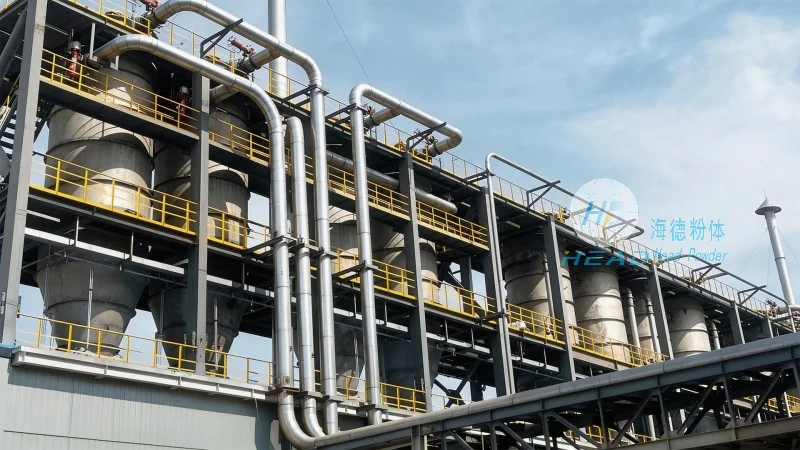
5. PTFE Flexible Conveying Belts: Portable and Versatile Material Handling
Flexible PTFE conveyor belts are a versatile PTFE conveying method suitable for applications requiring mobility and adaptability. These belts are made from PTFE-coated fabric or rubber, providing flexibility and durability. They are commonly used for transporting materials in temporary setups, such as construction sites, event venues, or small-scale manufacturing operations. PTFE flexible belts can be easily rolled up and stored, making them ideal for applications with changing work areas. The non-stick surface of PTFE reduces material buildup and wear, ensuring smooth and consistent material flow. Shandong HeadPowder Engineering Co., Ltd. manufactures PTFE flexible conveyor belts with reinforced edges and adjustable tension mechanisms to enhance durability and performance. These belts are often used in the food processing and packaging industries for handling powders and granules in mobile or semi-permanent setups.
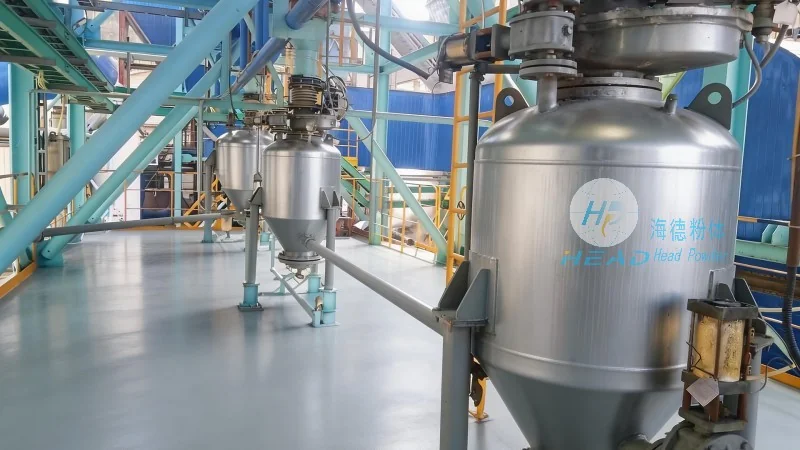
6. PTFE Rotary Valves: Controlled Material Discharge and Feeding
Rotary valves, also known as airlocks or feeders, are PTFE conveying components used to control the flow of material from a storage hopper or silo to a downstream process. These devices consist of a rotating PTFE disc with slots or openings that allow material to pass through as the disc rotates. PTFE rotary valves are essential for preventing material backflow and maintaining consistent feed rates. The smooth PTFE surface minimizes friction and prevents material adhesion, ensuring reliable and continuous operation. Shandong HeadPowder Engineering Co., Ltd. provides PTFE rotary valves with adjustable speed and opening size to regulate material flow and prevent clogging. These valves are commonly used in chemical, pharmaceutical, and food processing industries for precise material feeding and discharge control.
7. PTFE Conveying Hoppers and Chutes: Material Storage and Transfer
PTFE hoppers and chutes are essential components in PTFE conveying systems, used for material storage and transfer between different stages of a process. Hoppers are typically used to store bulk materials before they are conveyed to the next step, while chutes guide material from one point to another. PTFE hoppers and chutes are designed with smooth, non-porous surfaces to prevent material sticking and ensure efficient flow. The corrosion-resistant properties of PTFE make these components ideal for handling aggressive or corrosive materials. Shandong HeadPowder Engineering Co., Ltd. manufactures PTFE hoppers and chutes with custom dimensions and angles to optimize material flow and prevent blockages. These components are commonly used in the chemical, mining, and food industries for storing and transferring bulk materials safely and efficiently.




