HeadPowder, a leading provider of industrial material handling solutions, specializes in the design and manufacturing of pneumatic conveying equipment tailored for silicate materials. This article delves into the fundamental principles behind silicate material pneumatic conveying systems and explores the key working scene characteristics that define their operational effectiveness in various industrial applications.
Understanding the Core Principle of Silicate Material Pneumatic Conveying
Silicate materials, such as sodium silicate, calcium silicate, and other related compounds, are commonly used in industries like construction, chemicals, and glass manufacturing. The primary challenge in handling these materials is their tendency to agglomerate or form clumps, which can impede traditional mechanical conveying methods. Pneumatic conveying offers a solution by utilizing air or gas as the medium to transport the material particles through a pipeline system. The process typically operates under either positive pressure (pressure conveying) or negative pressure (vacuum conveying), depending on the specific material properties and application requirements.
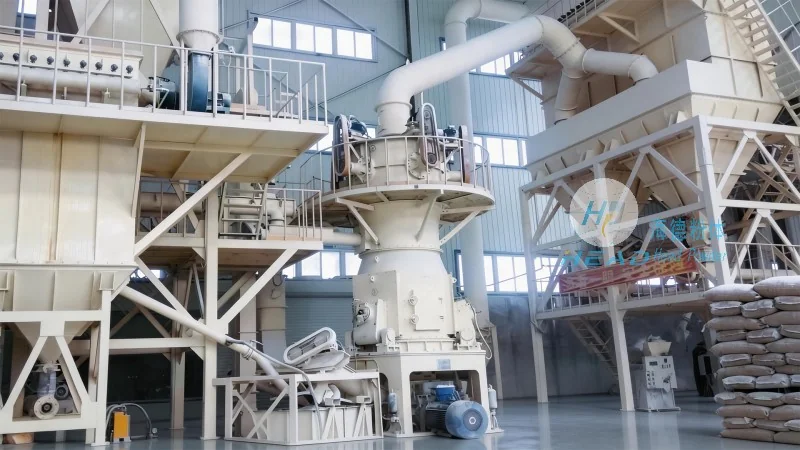
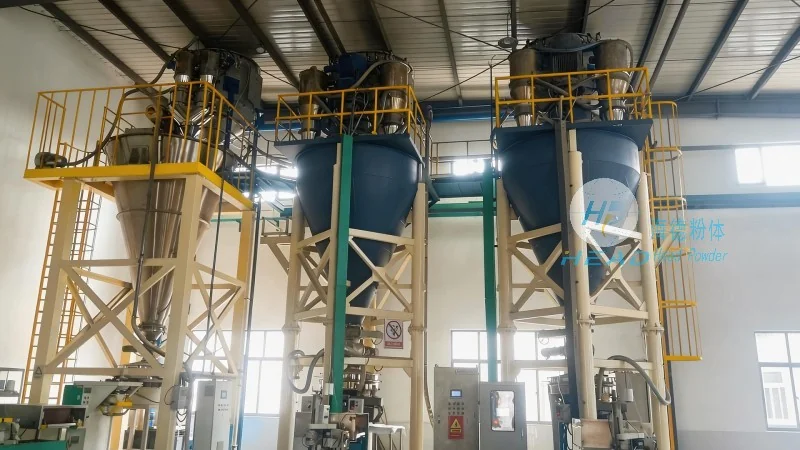
At its core, the pneumatic conveying system consists of several critical components: a feeding device to introduce the silicate material into the system, a conveying pipeline to transport the material, a separation unit to collect the conveyed material, and a control system to regulate the air flow and pressure. The feeding device, often a rotary valve or a screw feeder, ensures a consistent and controlled feed rate, preventing blockages and maintaining system efficiency. The conveying pipeline is designed with smooth, corrosion-resistant materials to accommodate the abrasive nature of silicate particles and minimize friction losses. The separation unit, which may include cyclones or bag filters, separates the material from the air stream, allowing for clean material discharge and air recirculation or treatment.
Key Working Scene Characteristics of Silicate Material Pneumatic Conveying Equipment
The effectiveness of silicate material pneumatic conveying equipment is heavily influenced by several working scene characteristics that must be considered during system design and operation. These characteristics include the material's particle size distribution, moisture content, and flowability, as well as the system's operating pressure and air velocity. For instance, fine-grained silicate materials with high moisture content may require higher air velocities to prevent clogging and ensure smooth transport. Conversely, coarser materials with low moisture content can be conveyed at lower velocities, reducing energy consumption and wear on the system components.
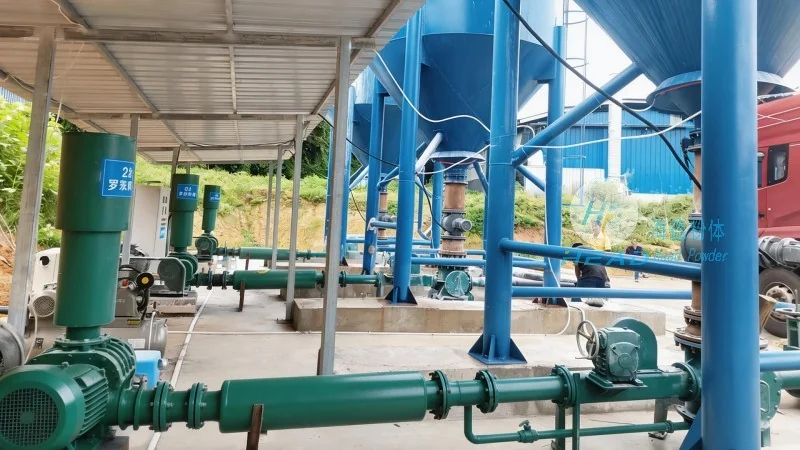
Another critical characteristic is the system's layout and integration with existing industrial processes. In many industrial settings, the pneumatic conveying system must be seamlessly integrated with other equipment, such as mixers, reactors, or storage silos. The design must account for the distance between the feeding point and the discharge point, as well as any obstacles or changes in elevation that may affect the material flow. Proper system sizing, based on the material's bulk density and the required conveying capacity, is essential to avoid under- or over-conveying, which can lead to operational inefficiencies or material loss.
Industrial Applications and Operational Scenarios
Silicate material pneumatic conveying equipment is widely used in various industrial applications, each presenting unique operational scenarios that demand tailored system solutions. In the construction industry, for example, sodium silicate is used as a binder in cement and mortar formulations. The conveying system must handle the material from storage silos to production lines, ensuring consistent quality and preventing contamination. In the chemical industry, calcium silicate is used as a filler in plastics and coatings, requiring precise control over particle size and moisture content to maintain product performance. The operational scenario here involves high-volume, continuous conveying over long distances, necessitating robust and reliable equipment.
In the glass manufacturing industry, silicate materials are used as raw materials for glass production. The conveying system must handle high-temperature or high-viscosity materials, often requiring specialized components such as heated pipelines or high-pressure pumps. The operational scenario in this case involves integration with furnaces and other high-temperature equipment, demanding strict safety and material compatibility considerations. Additionally, the system must be capable of handling varying material compositions, as different glass types require different silicate formulations.
Advantages and Considerations in Silicate Material Pneumatic Conveying
Compared to traditional mechanical conveying methods, silicate material pneumatic conveying offers several advantages, including reduced material degradation, lower maintenance requirements, and the ability to handle materials with high moisture content or abrasive properties. However, the system also presents certain considerations, such as higher energy consumption and the need for proper air filtration to prevent dust accumulation and environmental contamination. The choice of system type (pressure vs. vacuum) and design parameters (air velocity, pipeline diameter) must be carefully evaluated based on the specific material characteristics and operational requirements to maximize efficiency and minimize operational costs.
HeadPowder, with its headquarters in Shandong, China, has extensive experience in designing and manufacturing pneumatic conveying systems for silicate materials. The company's expertise lies in tailoring system solutions to meet the unique demands of each industrial application, ensuring optimal performance, reliability, and cost-effectiveness. By understanding the core principles and working scene characteristics of silicate material pneumatic conveying, industries can leverage this technology to enhance their material handling processes and improve overall operational efficiency.




