HeadPowder, a leading manufacturer in the field of material handling solutions, specializes in the design, production, and supply of advanced pneumatic conveying systems. This article delves into the fundamental principles of steel grit material pneumatic conveying equipment and explores the key characteristics of its operational environments. By understanding these aspects, industries dealing with abrasive and high-density materials can make informed decisions about selecting the most suitable conveying technology for their specific needs.
Company Profile and Background
HeadPowder Engineering Co., Ltd., based in Shandong, China, is dedicated to providing innovative and efficient solutions for material transportation challenges. With years of experience in the industry, the company has developed a comprehensive range of pneumatic conveying equipment tailored to various industrial applications. The company's commitment to quality, reliability, and customer satisfaction has established it as a trusted partner for businesses seeking to optimize their material handling processes.
The Principle of Pneumatic Conveying for Steel Grit Materials
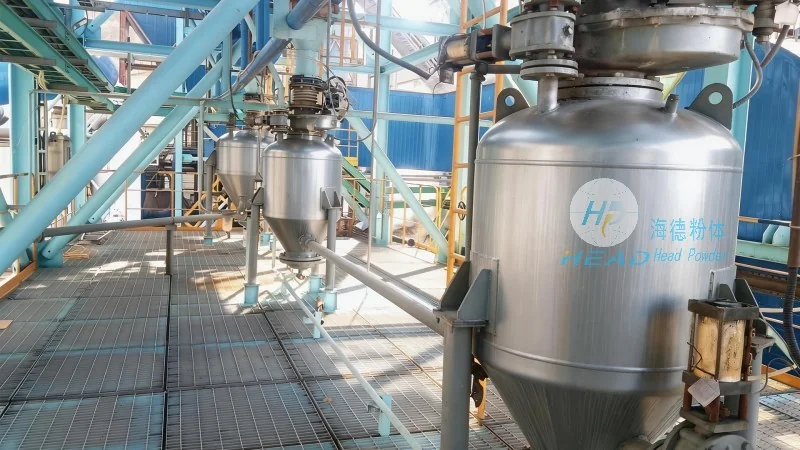
The core principle of pneumatic conveying for steel grit materials involves the use of a pressurized or vacuum system to transport bulk materials through a pipeline. In the case of steel grit, which is characterized by its high density, abrasive nature, and potential for wear on equipment, specialized equipment is required to ensure efficient and safe operation. The system typically consists of a feeding device, a conveying pipeline, a separation unit, and a discharge outlet. The feeding device, such as a rotary valve or a star feeder, introduces the steel grit into the pipeline at a controlled rate. The conveying medium, usually air or a combination of air and other gases, is then introduced to create a flow that propels the material forward. The separation unit, often a cyclone or a filter, separates the conveyed material from the air stream, allowing the steel grit to be collected in a designated container. This process eliminates the need for mechanical components like belts or buckets, reducing maintenance and operational costs while ensuring a continuous flow of material.
Key Working Scene Characteristics of Steel Grit Pneumatic Conveying Equipment
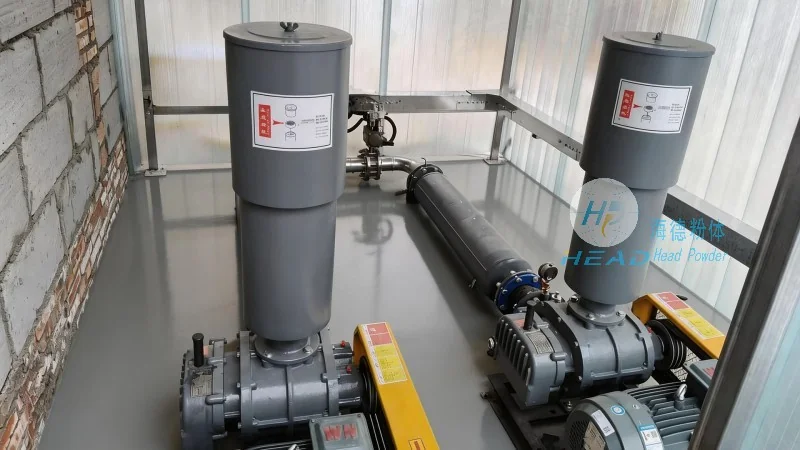
The operational environments for steel grit pneumatic conveying equipment are diverse and often demanding. These systems are commonly used in industrial settings where steel grit is generated as a byproduct of metalworking processes, such as grinding, polishing, or shot blasting. The equipment must be designed to handle the abrasive properties of steel grit, which can cause significant wear on traditional conveying components. Therefore, materials like stainless steel, high-chrome alloys, or specialized coatings are used in the construction of the conveying pipeline and components to enhance durability and longevity. Another critical characteristic is the need for efficient dust control and filtration. Since steel grit is a fine, particulate material, proper filtration systems are essential to prevent dust accumulation and ensure compliance with environmental regulations. The equipment must also be capable of handling varying material flow rates and pressures, adapting to the specific requirements of different production lines. Additionally, the working scene may involve integration with other industrial processes, such as material storage, processing, or packaging, requiring the conveying system to be compatible with existing infrastructure and control systems.
Applications and Industry Impact
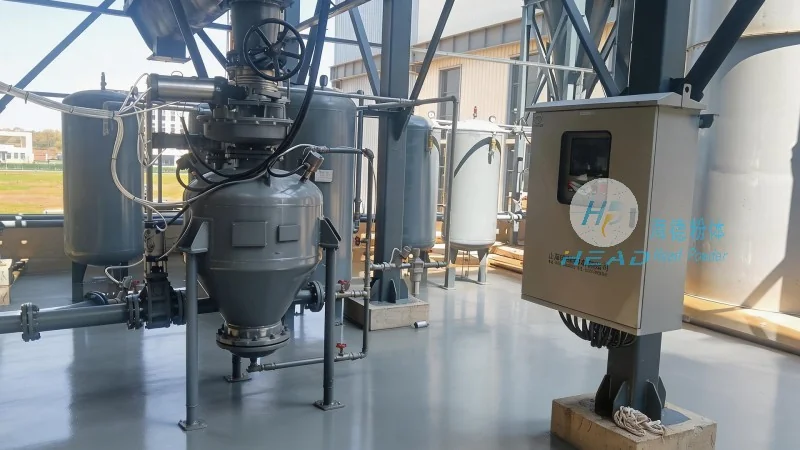
Steel grit material pneumatic conveying equipment finds applications in various industries, including manufacturing, construction, and metal processing. In manufacturing, it is used to transport steel grit from grinding machines to storage silos or recycling facilities, ensuring a smooth and continuous material flow. In construction, the equipment is employed to convey steel grit for surface treatment applications, such as shot blasting, where the material is used to remove rust or scale from metal surfaces. The ability to handle high-density materials like steel grit efficiently and safely makes this technology invaluable in industries where material handling is a critical operational step. By reducing downtime and maintenance costs, the equipment contributes to improved productivity and overall operational efficiency for businesses.
Conclusion
Steel grit material pneumatic conveying equipment, as explained in this article, operates on the principle of using air or gas to transport abrasive and high-density materials through a pipeline. The working scene characteristics, including the need for durable components, effective dust control, and adaptability to varying operational conditions, are crucial for the successful implementation of these systems. HeadPowder Engineering Co., Ltd., with its expertise and commitment to quality, provides reliable solutions that meet the demanding requirements of industries dealing with steel grit materials. By understanding the principles and characteristics of this equipment, businesses can optimize their material handling processes and enhance overall operational performance.




