Wheat bran, a byproduct of wheat milling, is widely used in the food and feed industries due to its nutritional value and versatile applications. Efficient and hygienic material handling is crucial for processing wheat bran, and pneumatic conveying systems offer an effective solution. This article explores the fundamental principles of pneumatic conveying equipment designed for wheat bran, along with key characteristics of its operational scenarios.
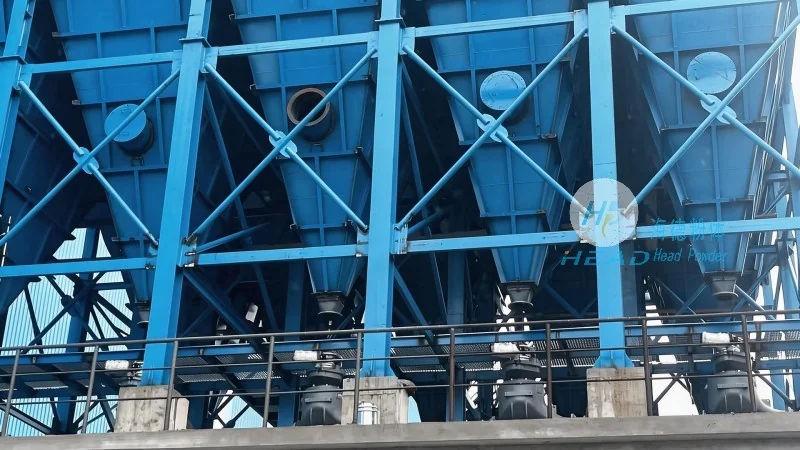
HeadPowder, a leading provider in the field, specializes in engineering and manufacturing customized pneumatic conveying solutions tailored to the unique demands of wheat bran processing. With a focus on durability, efficiency, and compliance with industry standards, their equipment ensures reliable material transport while maintaining product integrity. HeadPowder is headquartered in Shandong, China, and has established a strong reputation for delivering high-quality, reliable systems to clients in the food and feed industries worldwide.
The core principle of pneumatic conveying for wheat bran involves transporting dry bulk materials through a pipeline using air or gas as the conveying medium. There are two primary types of pneumatic conveying systems: aspiration (or suction) systems and pressure (or blow) systems. Aspiration systems utilize a vacuum to draw material from a source, making them ideal for applications where the material needs to be moved from a lower elevation or a confined space. In contrast, pressure systems use compressed air to push material through the pipeline, which is suitable for longer distances or when the material must be transported to a higher elevation. Both systems rely on the interaction between the material particles and the air flow to achieve efficient transport.
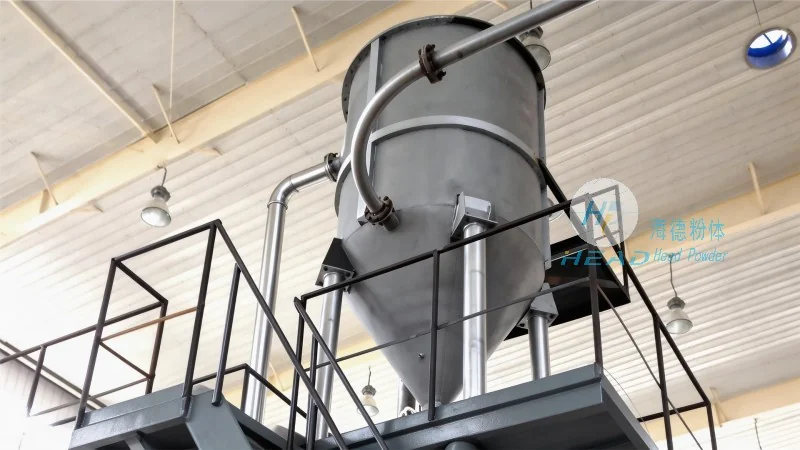
For wheat bran, the choice of system depends on factors such as the processing environment, the distance between the source and destination, and the required flow rate. Aspiration systems are often preferred for short to medium distances and when the material is to be collected from a hopper or silo. They are particularly effective when the bran is stored in a dry, low-humidity environment to prevent clogging. Pressure systems, on the other hand, are better suited for longer transport distances or when the bran needs to be moved to multiple destinations from a single source. They are also advantageous when the bran is to be mixed with other ingredients or processed further downstream.
Key operational characteristics of pneumatic conveying equipment for wheat bran include: low maintenance requirements, hygienic design, and flexibility in layout. The equipment is typically constructed from stainless steel or other corrosion-resistant materials to ensure durability and compliance with food safety regulations. This design minimizes the risk of contamination and facilitates easy cleaning, which is critical in food processing facilities. Additionally, the systems can be easily integrated into existing production lines, allowing for seamless material flow from milling to packaging or feed production.
The working scene characteristics of these systems are closely tied to the specific applications in which they are used. For instance, in a food processing plant, the equipment may be employed to transport wheat bran from a storage silo to a mixing unit, where it is combined with other ingredients to produce baked goods or nutritional supplements. The system must handle the bran’s fine particles without causing blockages or excessive pressure drops in the pipeline. In a feed manufacturing facility, the pneumatic conveyor may be used to move bran from a grinding area to a batching system, ensuring consistent feed formulation. The operational environment, including temperature and humidity control, is also a critical factor, as excessive moisture can lead to agglomeration and reduced conveying efficiency.
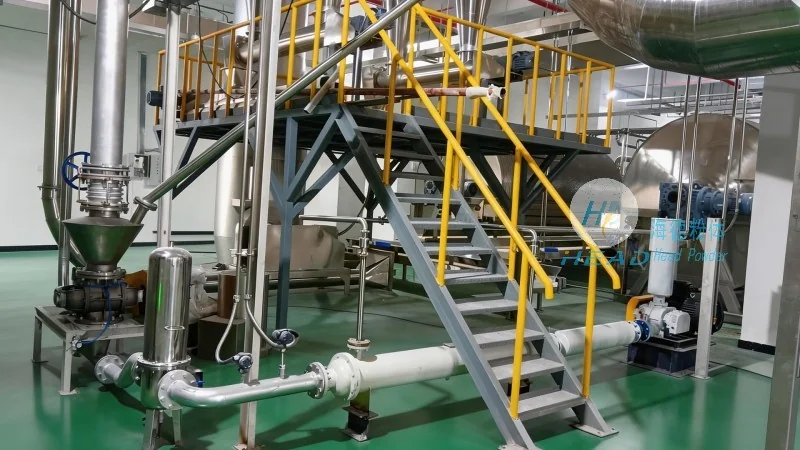
HeadPowder’s pneumatic conveying solutions for wheat bran are designed to meet the specific needs of each client. By conducting thorough site assessments and understanding the unique challenges of wheat bran processing, the company develops customized systems that optimize material handling while minimizing downtime and operational costs. Their expertise in pneumatic technology ensures that the equipment operates efficiently, with minimal energy consumption and low maintenance requirements. The company’s commitment to quality and customer satisfaction is reflected in the long-term reliability of their systems, which are trusted by clients in the food and feed industries worldwide.
In conclusion, pneumatic conveying equipment for wheat bran is a vital component of modern processing operations. By leveraging the principles of air-based transport and tailored engineering, these systems enable efficient, hygienic, and flexible material handling. HeadPowder’s solutions exemplify the industry’s best practices, providing reliable and effective equipment that meets the demands of wheat bran processing while adhering to the highest standards of quality and safety.




