Calcium hydroxide, commonly known as slaked lime, is a widely used industrial material in various sectors such as construction, water treatment, and chemical manufacturing. The efficient and safe transportation of this material from production sites to processing or end-use locations is crucial for maintaining operational efficiency and product quality. Pneumatic conveying technology offers a reliable solution for handling calcium hydroxide, leveraging air flow to transport the material through a sealed system. This article explores the fundamental principles of pneumatic conveying for calcium hydroxide materials and highlights the key application scenarios where this technology excels.
Understanding Pneumatic Conveying Principles
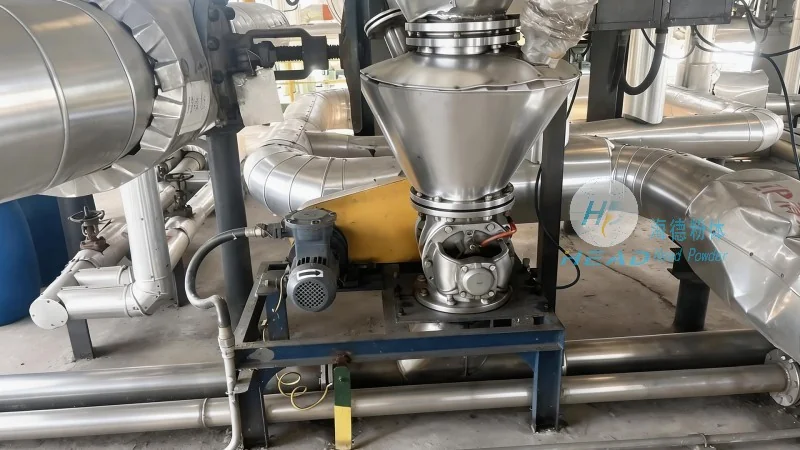
Pneumatic conveying is a method of transporting bulk materials, including powders like calcium hydroxide, using a stream of air or other gases. The process can be categorized into two main types: positive pressure and negative pressure systems. In positive pressure systems, air is forced into the conveying line at a higher pressure than the ambient air, pushing the material through the pipeline. This approach is often preferred for long-distance or high-capacity applications due to its ability to handle larger quantities of material and maintain consistent flow rates. The positive pressure system typically includes a blower or compressor at the inlet, a hopper for material storage, and a series of pipes with appropriate fittings and valves to direct the flow. The material is introduced into the system via a feeder, which controls the rate of material discharge into the air stream. As the material is mixed with the air, it forms a dense or dilute phase flow, depending on the system design and operating conditions. The dense phase conveying, where the material is carried in a relatively compact form, is particularly effective for preventing material degradation and reducing wear on the system components. Negative pressure systems, on the other hand, create a vacuum at the receiving end of the line, drawing the material and air mixture into the system. This method is often used for short-distance conveying or when the material needs to be transported from a high elevation to a lower one. The negative pressure system includes a vacuum pump or fan at the outlet, a collection hopper, and a similar piping network as the positive pressure system. The choice between positive and negative pressure depends on factors such as the distance between the source and destination, the material's properties, and the required flow rate. For calcium hydroxide, which is a fine powder with relatively low bulk density, the positive pressure dense phase system is often the most suitable due to its ability to maintain material integrity and minimize dust generation.
Key Features and Advantages of Pneumatic Conveying for Calcium Hydroxide
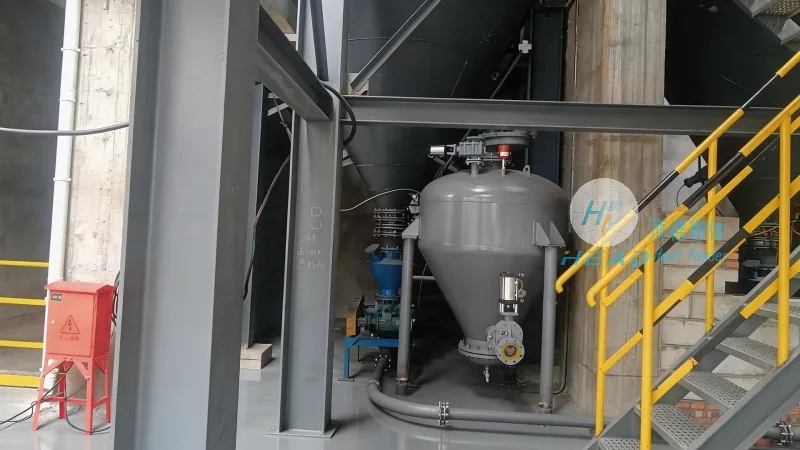
The application of pneumatic conveying for calcium hydroxide offers several distinct advantages over traditional methods like bucket elevators or belt conveyors. One of the primary benefits is the ability to transport the material in a sealed system, which significantly reduces dust exposure and improves workplace safety. This is particularly important for calcium hydroxide, as it can be an irritant to the respiratory system if inhaled in large quantities. The sealed system also helps maintain the material's quality by preventing contamination from external sources and minimizing moisture absorption, which could affect the material's reactivity. Another advantage is the high efficiency in terms of space utilization. Pneumatic conveying systems can be installed in a compact footprint, making them ideal for facilities with limited space or where the layout requires non-linear conveying paths. The flexibility of the system allows for easy integration with existing production lines and can be adapted to accommodate changes in production volume or material handling requirements. Additionally, the system's ability to handle varying material flow rates without significant performance degradation makes it a reliable choice for continuous operations. The low maintenance requirements of pneumatic conveying systems, especially when compared to mechanical conveyors, contribute to reduced operational costs over time. The absence of moving parts in the conveying line, apart from the feeder and any necessary valves, minimizes the risk of mechanical failure and simplifies maintenance procedures. This results in lower downtime and higher overall system availability.
Application Scenarios and Operational Considerations
Pneumatic conveying for calcium hydroxide is widely used in various industrial settings, each with specific operational considerations to ensure optimal performance. In the construction industry, calcium hydroxide is often used as a component in mortar and plaster formulations. The material is typically stored in large silos at the production site and then conveyed to mixing facilities or construction sites via pneumatic systems. The positive pressure dense phase system is preferred in this scenario due to the need to transport the material over relatively long distances while maintaining its fine particle size and preventing caking. The system design includes a hopper with a rotary valve feeder to control the material flow, a blower to generate the air pressure, and a series of pipes with appropriate bends and elbows to navigate the conveying path. The receiving end of the system is equipped with a dust collector to capture any airborne particles and a hopper for material storage, ensuring a clean and efficient transfer process. In water treatment applications, calcium hydroxide is used for pH adjustment and coagulation purposes. The material is often stored in bulk containers at the treatment plant and conveyed to the dosing points using pneumatic systems. The negative pressure system is sometimes employed here, as the material needs to be transported from a lower elevation to a higher one, such as from a storage tank to a dosing tower. The system includes a vacuum pump at the outlet, a collection hopper, and a piping network that connects the storage tank to the dosing point. The use of a dilute phase system is common in this application, as the material is typically mixed with water before being dosed into the treatment process, and the air flow helps in achieving the required mixing ratio. The operational considerations in water treatment include maintaining the material's reactivity by preventing moisture absorption and ensuring consistent flow rates to meet the treatment plant's demand. In chemical manufacturing, calcium hydroxide is used as an intermediate in the production of other chemicals, such as calcium chloride or calcium carbonate. The material is often conveyed from a production reactor to a storage or processing unit using pneumatic systems. The positive pressure system is preferred in this scenario due to the need to handle high temperatures and potentially corrosive materials. The system includes a heated hopper to maintain the material's temperature, a blower with temperature-resistant components, and a piping network designed to withstand the material's chemical properties. The receiving end of the system is equipped with a filter to remove any entrained particles and a storage tank for further processing. The operational considerations in chemical manufacturing include ensuring the material's purity by preventing contamination from the reactor environment and maintaining the system's temperature to prevent material degradation. The flexibility of pneumatic conveying systems allows for easy integration with other processing equipment, such as reactors and mixers, making it a versatile solution for various chemical processes. Another application scenario is in the agricultural sector, where calcium hydroxide is used as a soil amendment or fertilizer. The material is often stored in bulk storage facilities and conveyed to agricultural sites or processing plants using pneumatic systems. The positive pressure dense phase system is commonly used here due to the need to transport the material over long distances and maintain its fine particle size. The system includes a hopper with a screw feeder to control the material flow, a blower to generate the air pressure, and a series of pipes with appropriate fittings to navigate the conveying path. The receiving end of the system is equipped with a dust collector and a storage bin for the material, ensuring a clean and efficient transfer process. The operational considerations in agriculture include minimizing dust emissions to comply with environmental regulations and ensuring the material's effectiveness by maintaining its reactivity. The use of pneumatic conveying in this sector helps in reducing the need for manual handling, which improves worker safety and operational efficiency.
Conclusion and Company Overview
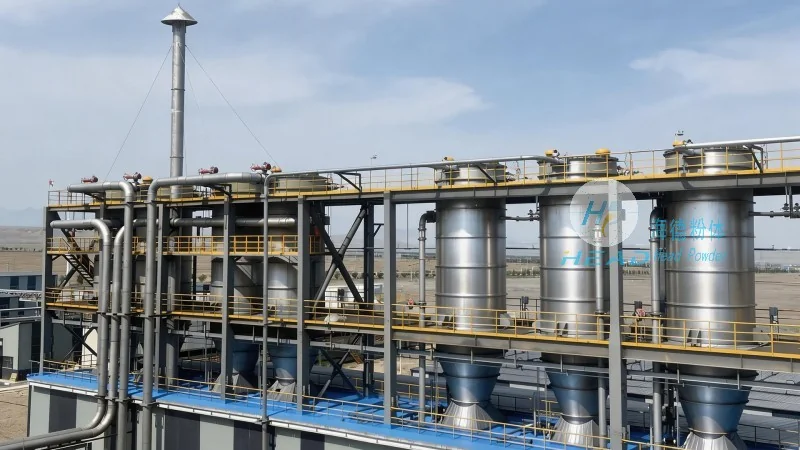
Pneumatic conveying technology provides an efficient, safe, and flexible solution for handling calcium hydroxide materials in various industrial applications. The principles of positive and negative pressure systems, combined with the advantages of sealed transportation and low maintenance, make this method a preferred choice for many industries. The application scenarios discussed, including construction, water treatment, chemical manufacturing, and agriculture, highlight the versatility of pneumatic conveying in meeting the diverse needs of different sectors. As a leading provider of engineering solutions for bulk material handling, Shandong HeadPowder Engineering Co., Ltd. specializes in designing and manufacturing pneumatic conveying systems tailored to the specific requirements of calcium hydroxide and other similar materials. With a focus on innovation and customer satisfaction, the company ensures that its systems are reliable, efficient, and compliant with industry standards. Located in Shandong, China, HeadPowder Engineering leverages its expertise and local resources to deliver high-quality solutions that enhance operational performance and product quality for its clients. The company's commitment to excellence and customer-centric approach has established it as a trusted partner in the bulk material handling industry, providing reliable and effective solutions for the transportation of calcium hydroxide and other critical materials.




