High-alumina fly ash, a byproduct of coal combustion in thermal power plants, presents unique challenges in material handling due to its chemical composition and physical properties. The efficient transport and processing of this material require specialized equipment and systems designed to address its specific characteristics. This article explores the fundamental principles underlying high-alumina fly ash material handling systems, alongside key working scene characteristics that define their application and performance.
Core Principles of High-Alumina Fly Ash Material Handling
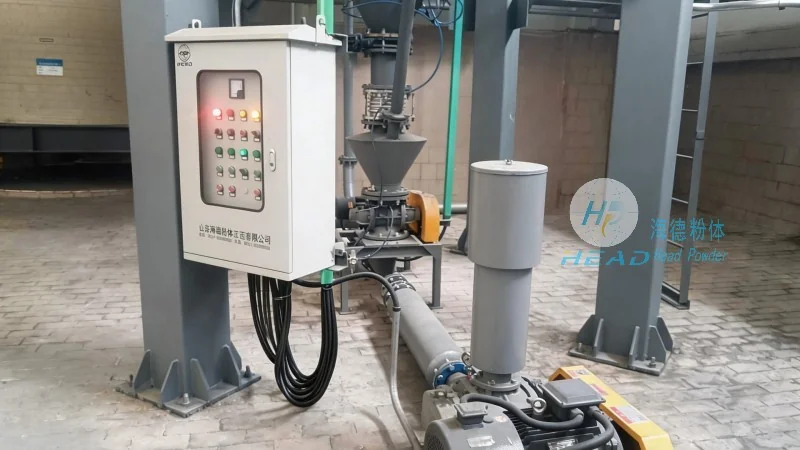
The primary principle of high-alumina fly ash material handling systems is to ensure safe, reliable, and efficient transportation of the material from its source to processing or storage locations. This involves several critical aspects, including material flow control, equipment durability, and environmental compliance. High-alumina fly ash is known for its abrasive nature and potential for dust generation, necessitating robust equipment that can withstand wear and minimize emissions. The systems typically incorporate components such as conveyors, feeders, and storage silos, each engineered to handle the material's specific properties. For instance, the use of heavy-duty belts and specialized liners in conveyor systems helps mitigate wear caused by the abrasive particles. Additionally, dust suppression mechanisms, such as enclosed conveyor designs and air filtration systems, are integrated to comply with environmental regulations and maintain workplace safety.
Working Scene Characteristics and Application Scenarios
High-alumina fly ash material handling systems are deployed in diverse industrial settings, each with distinct operational requirements. One common application is in power plants where the ash is generated and needs to be transported to storage facilities or used as a raw material in cement production. In such scenarios, the system must handle large volumes of material with consistent flow rates, often operating continuously over extended periods. The working environment in power plants is characterized by high temperatures, dust, and the need for automated processes to minimize human intervention. Another key working scene is in industrial facilities that utilize fly ash as an additive in concrete or other building materials. Here, the material handling system must ensure precise dosing and mixing, requiring high-precision feeders and control systems. The characteristics of the working scene, such as the scale of operation and the need for integration with existing production lines, influence the design and configuration of the material handling system. For example, in large-scale power plants, the system may include multiple conveyors connected in series to transport ash over long distances, while in smaller industrial applications, a single, compact system may suffice.
Equipment and System Components
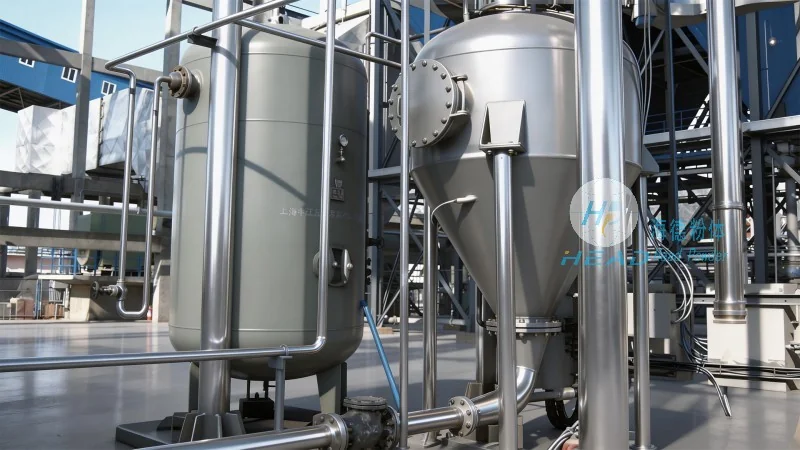
The effectiveness of high-alumina fly ash material handling systems relies on a combination of specialized equipment and integrated system design. Key components include belt conveyors, screw conveyors, and pneumatic conveying systems, each chosen based on the specific requirements of the application. Belt conveyors are widely used due to their ability to handle large volumes of material and long transport distances. They are typically equipped with heavy-duty belts and idlers to withstand the abrasive nature of high-alumina fly ash. Screw conveyors are suitable for vertical or inclined transport, providing a compact solution for moving material in confined spaces. Pneumatic conveying systems, on the other hand, use air to transport the material, which is advantageous in applications where dust control is critical. These systems often include cyclone separators and filters to capture and recycle the material, reducing waste and improving efficiency. The integration of these components into a cohesive system ensures smooth material flow and optimal performance. For instance, a typical system may start with a hopper to collect the ash, followed by a feeder to regulate the flow, then a conveyor to transport it to a storage silo. Each component is designed to work in harmony, minimizing downtime and maximizing throughput.
Operational Performance and Efficiency
The performance of high-alumina fly ash material handling systems is evaluated based on several key metrics, including throughput capacity, energy efficiency, and maintenance requirements. High throughput is essential in power plants and industrial facilities where large volumes of ash are generated daily. The system must be capable of handling the required flow rates without compromising on reliability. Energy efficiency is another critical factor, as the operation of conveyor systems and other equipment consumes significant power. Modern systems incorporate energy-saving features, such as variable speed drives and optimized conveyor designs, to reduce energy consumption. Maintenance requirements are also a key consideration, as the abrasive nature of the material can lead to frequent wear and tear. The use of durable materials, such as stainless steel and high-grade alloys, in equipment components helps extend the service life and reduce maintenance costs. Regular maintenance, including inspections and component replacements, is essential to ensure the system operates at peak efficiency. The performance of the system is also influenced by the working scene characteristics, such as the ambient temperature and humidity, which can affect the material's flow properties and equipment performance. For example, in hot climates, the system may require additional cooling measures to prevent overheating and maintain optimal operation.
Environmental and Safety Considerations
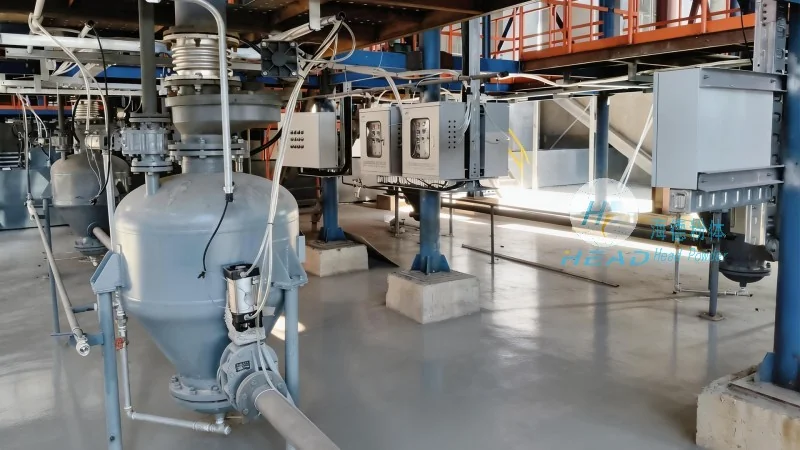
High-alumina fly ash material handling systems must adhere to stringent environmental and safety regulations to minimize the impact on the environment and protect workers. Dust control is a primary concern, as fly ash is a fine particulate that can cause respiratory issues if inhaled. The systems incorporate various dust suppression measures, including enclosed conveyor designs, air filtration systems, and wet dust collection methods. These measures help reduce emissions and maintain compliance with air quality standards. Additionally, the system must be designed to prevent the release of hazardous materials, such as heavy metals that may be present in the ash. Proper containment and leak detection systems are essential to ensure the safety of workers and the environment. The working environment in material handling facilities is often hazardous, with risks of falls, machinery accidents, and exposure to dust. Therefore, the system must include safety features such as emergency stop buttons, protective guards, and warning signs. Regular safety training for operators and maintenance personnel is also crucial to prevent accidents and ensure the safe operation of the system. The environmental and safety considerations are integrated into the design and operation of the system, ensuring that it meets all regulatory requirements and protects both workers and the environment.
Conclusion
High-alumina fly ash material handling systems are critical components in the management of coal combustion byproducts, ensuring efficient and safe transport of the material. The principles underlying these systems focus on durability, efficiency, and environmental compliance, while the working scene characteristics dictate the specific design and configuration required for each application. The integration of specialized equipment and advanced control systems enables the reliable operation of these systems in diverse industrial settings. As the demand for sustainable materials and efficient waste management increases, the importance of high-quality material handling systems will continue to grow. Shandong HeadPowder Engineering Co., Ltd., a leading provider of material handling solutions, specializes in designing and manufacturing systems tailored to the unique needs of high-alumina fly ash applications. With a focus on innovation and adherence to industry standards, the company delivers reliable and efficient solutions that enhance operational performance and environmental responsibility.




