HeadPowder, a leading engineering company based in Shandong, China, specializes in the design and implementation of efficient material handling solutions. This article explores the fundamental principles and operational characteristics of rubber granule conveying systems, which are widely used in various industrial applications.
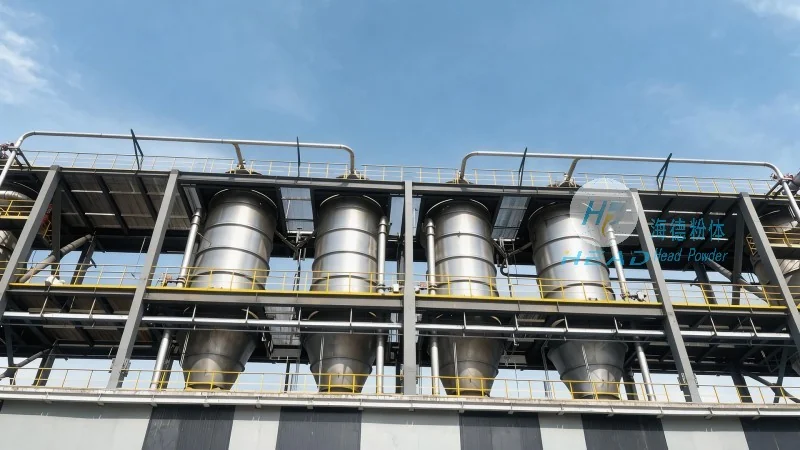
Core Principles of Rubber Granule Conveying
The operation of rubber granule conveying systems is based on several key principles that ensure reliable and efficient material transport. These systems typically utilize a combination of mechanical components such as conveyor belts, feeders, and control mechanisms to move rubber granules from one location to another. The design of these systems is tailored to handle the unique properties of rubber granules, including their size, density, and abrasiveness. By integrating advanced engineering techniques, HeadPowder ensures that each conveying system meets the specific requirements of the end-user, optimizing both performance and longevity.
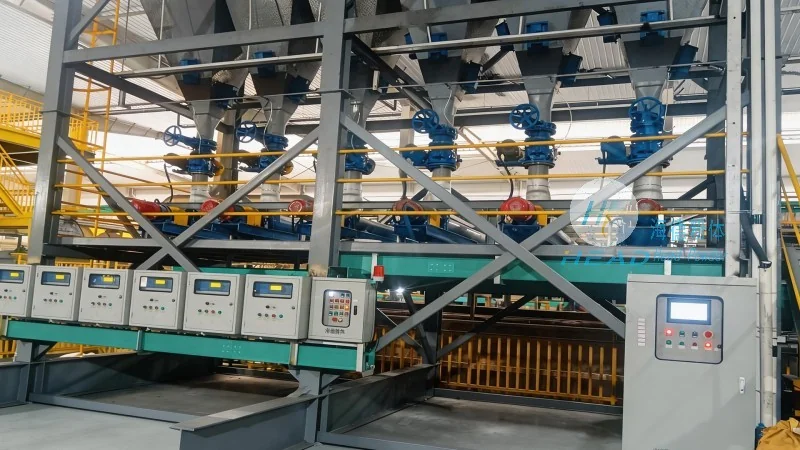
Working Scene Characteristics
Rubber granule conveying systems are employed in diverse industrial settings, each presenting distinct operational challenges and requirements. Understanding these characteristics is crucial for selecting the appropriate system for a given application. For instance, in recycling facilities, these systems are used to transport reclaimed rubber granules from sorting areas to processing lines. The high abrasiveness of rubber granules makes it essential to use durable materials for the conveyor components, such as reinforced belts and robust rollers. In sports facility construction, the conveying systems are responsible for delivering rubber granules to the surface preparation stage, where they are spread and compacted to create safe and resilient playground or track surfaces.
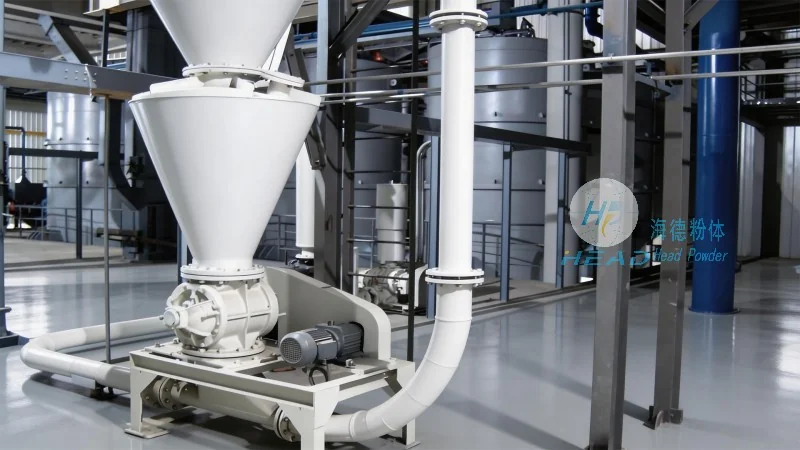
Technical Components and Their Functions
At the heart of rubber granule conveying systems are several critical components that work in tandem to achieve seamless material transport. The feeding mechanism, often a hopper or a vibratory feeder, ensures a consistent flow of rubber granules into the conveyor. This component is designed to prevent blockages and maintain a steady supply of material. The conveyor belt, typically made of heavy-duty rubber or synthetic materials, carries the granules along the designated path. The belt is supported by a series of rollers and idlers, which provide the necessary tension and support to prevent slippage and ensure smooth movement. Control systems, including sensors and variable frequency drives, monitor the system's performance and adjust the speed and tension as needed to maintain optimal operation. These components are carefully selected and integrated to ensure that the system operates efficiently under varying load conditions and environmental factors.
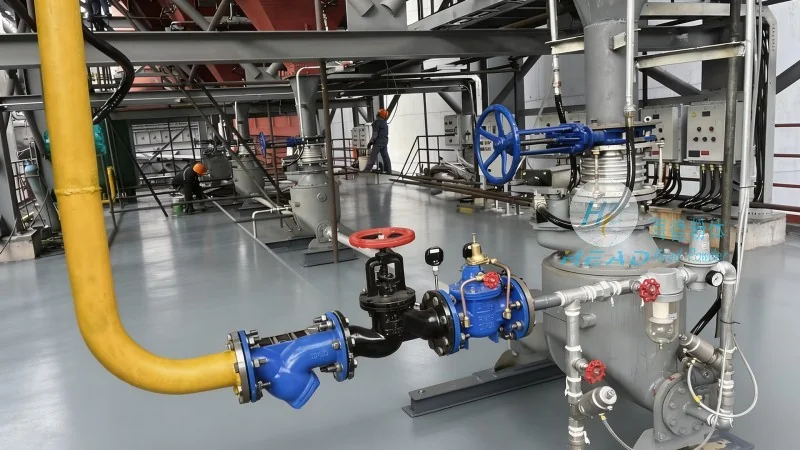
Advantages and Applications
Rubber granule conveying systems offer numerous advantages that make them indispensable in industrial operations. Their ability to handle abrasive materials without significant wear and tear reduces maintenance costs and extends the system's lifespan. The modular design of these systems allows for easy customization and expansion, adapting to changing production needs. In addition, the systems are energy-efficient, with adjustable speeds that minimize power consumption while maintaining required throughput. The applications of rubber granule conveying systems span multiple industries, including waste management, sports facility construction, and manufacturing. In waste management, they are used to transport recycled rubber from collection sites to processing plants. In sports facility construction, they facilitate the distribution of rubber granules for playground and track surfacing, contributing to safer and more durable recreational areas. The versatility of these systems makes them a preferred choice for industries that require reliable and efficient material handling solutions.




