Understanding the dry manure material transport system is crucial for efficient waste management in agricultural and livestock operations. This system is designed to handle dry organic waste, such as animal manure, with precision and reliability. The following content explores the fundamental principles behind this technology and highlights key working scene characteristics that make it an ideal solution for various applications.
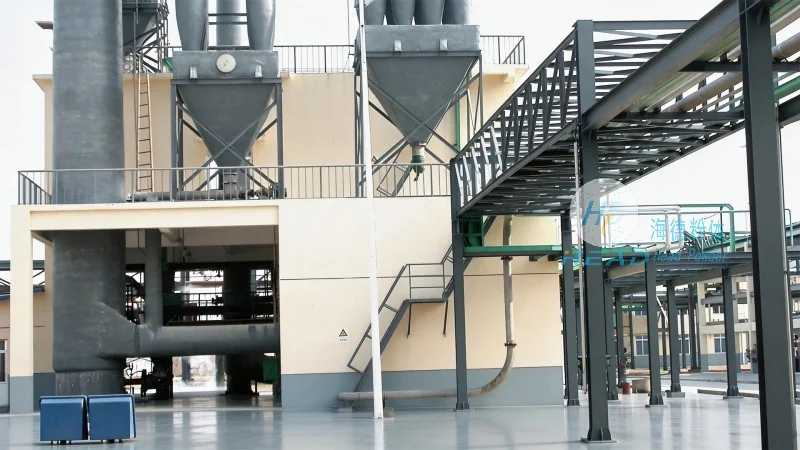
Introduction to Dry Manure Material Transport Systems
Dry manure material transport systems are specialized equipment used to move dry organic materials, primarily from livestock farms, to processing or disposal sites. These systems are engineered to handle the unique challenges of dry manure, including its bulk density, moisture content, and potential for dust generation. By leveraging advanced mechanical and pneumatic technologies, these systems ensure efficient and hygienic transport while minimizing environmental impact.
Core Principles of the Transport Mechanism
The operation of a dry manure material transport system is based on several core principles that ensure optimal performance. The primary mechanism involves the use of conveyor belts, screw conveyors, or pneumatic pipelines to move dry manure from source to destination. The system typically includes components like feed hoppers, transport units, and discharge mechanisms, all working in tandem to maintain consistent flow rates and prevent material blockages.
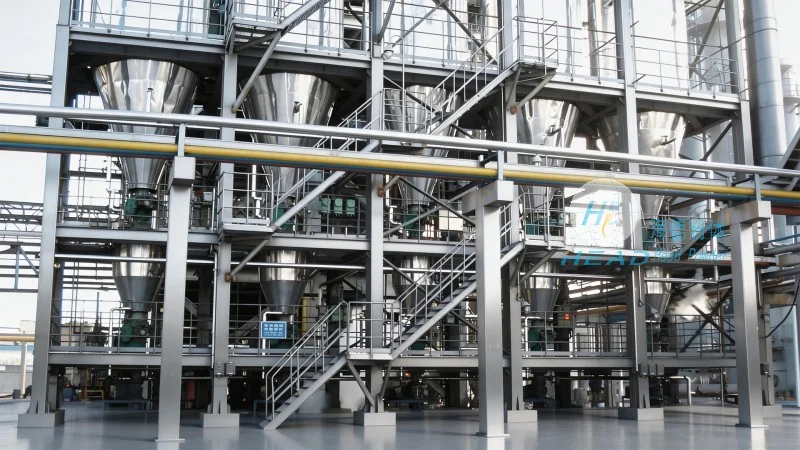
One of the key principles is the control of moisture content. Dry manure has a lower moisture level compared to wet manure, which affects its handling properties. The transport system is designed to maintain this dry state, reducing the risk of clogging and ensuring smooth operation. Additionally, the system incorporates dust suppression measures, such as air filtration and moisture addition (if necessary), to comply with environmental regulations and maintain worker safety.
Working Scene Characteristics and Applications
The working scene characteristics of dry manure material transport systems are tailored to meet the specific needs of different agricultural and industrial settings. These systems are commonly used in large-scale livestock farms, dairy operations, and organic waste processing facilities. The key characteristics include high capacity, low maintenance requirements, and adaptability to various manure types.
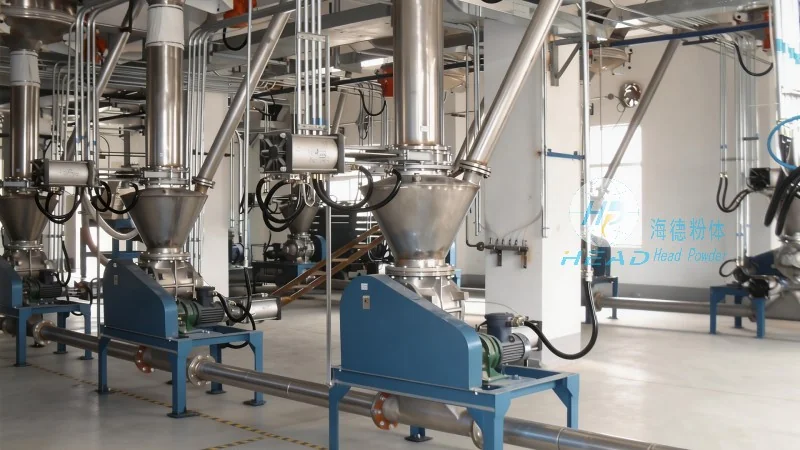
In livestock farms, the system is often integrated with feeding and cleaning processes, allowing for seamless collection and transport of dry manure from barns to storage or composting areas. The working scene may involve multiple units working in parallel to handle large volumes of manure, ensuring that the entire operation runs efficiently without interruptions.
In organic waste processing facilities, the dry manure material transport system plays a critical role in moving raw materials to processing units, such as composters or biogas digesters. The system’s ability to handle dry materials with minimal moisture loss is essential for maintaining the quality of the final product, whether it’s compost or biofuel. The working scene in these facilities is characterized by high throughput and precise material control, ensuring that the processing line operates continuously and efficiently.
Advantages and Practical Considerations
Implementing a dry manure material transport system offers several advantages for businesses in the agricultural and waste management sectors. The primary benefits include improved operational efficiency, reduced labor costs, and enhanced environmental compliance. By automating the transport process, farms and facilities can handle larger volumes of manure with fewer personnel, leading to cost savings and increased productivity.
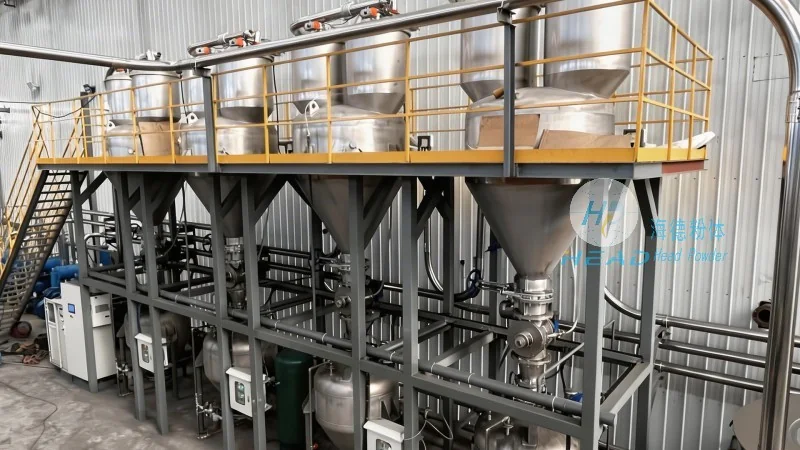
Practical considerations when selecting a dry manure material transport system include the scale of the operation, the type of manure being handled, and the available space. The system must be tailored to the specific needs of the site, ensuring that it can handle the expected volume and maintain the dry condition of the material. Additionally, regular maintenance and monitoring are essential to prevent breakdowns and ensure long-term reliability.
Conclusion
Overall, the dry manure material transport system is a sophisticated and efficient solution for managing dry organic waste in various industrial and agricultural settings. By understanding its core principles and working scene characteristics, businesses can make informed decisions about implementing this technology to improve their operations. The system’s ability to handle large volumes of dry manure with precision and reliability makes it an indispensable tool for modern waste management practices.




