Polycarbonate material handling systems represent a sophisticated approach to managing the transportation and processing of polycarbonate materials in industrial settings. These systems are engineered to enhance efficiency, safety, and precision in material handling operations, playing a crucial role in various manufacturing and processing industries. The design and functionality of such systems are tailored to meet the specific demands of polycarbonate processing, ensuring optimal performance and reliability.
Core Principles of Polycarbonate Material Handling
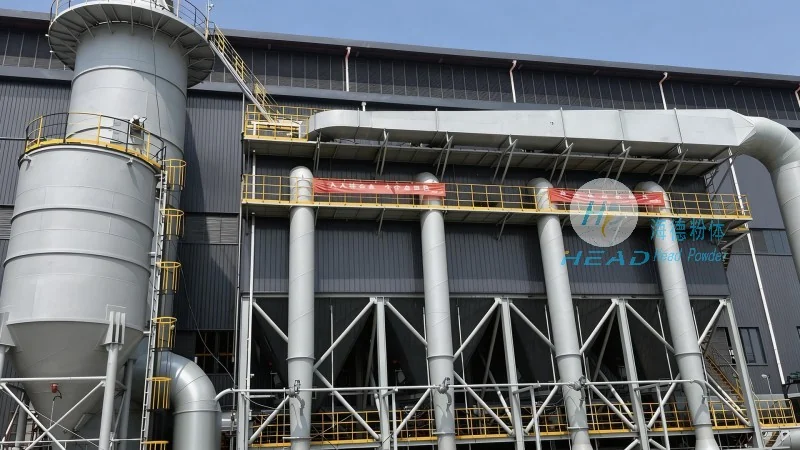
The core principles of polycarbonate material handling systems are centered on the integration of advanced mechanical engineering, automation technologies, and material science expertise. These systems are designed to address the unique challenges of handling polycarbonate, a thermoplastic polymer known for its high impact resistance, optical clarity, and lightweight properties. The fundamental principle is to ensure seamless material flow from storage to processing, packaging, or recycling stages, minimizing handling time and reducing the risk of material degradation. Key components such as conveyor belts, feeders, and sorting mechanisms are engineered to handle polycarbonate in various forms—raw pellets, extruded sheets, or molded parts—while maintaining the material's integrity. The systems also incorporate temperature control features to prevent thermal stress, which is critical for maintaining the material's properties during transportation. By adhering to these principles, the systems optimize the entire material handling process, enhancing overall operational efficiency and product quality.
Key Features and Technical Specifications
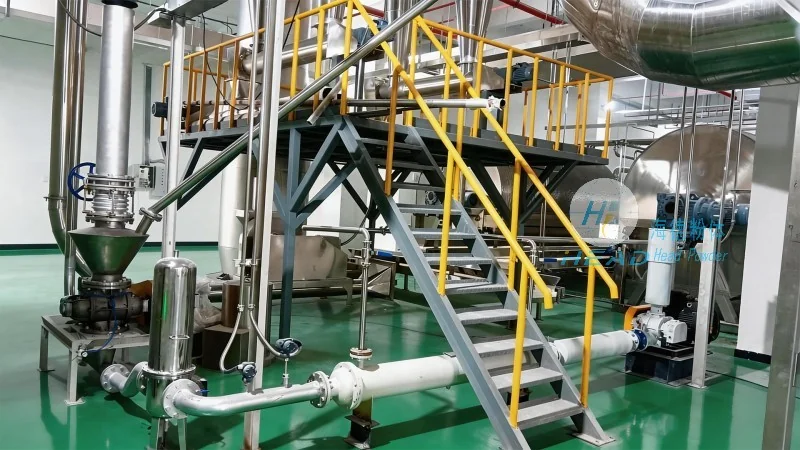
Polycarbonate material handling systems are equipped with several key features that contribute to their effectiveness. These include high-capacity conveyor systems capable of handling large volumes of material, advanced control systems that allow for real-time monitoring and adjustment of operations, and safety features designed to protect both personnel and equipment. The systems often incorporate sensors and automation technologies to ensure precise material movement and prevent accidents. Additionally, the design may include modular components that can be easily adjusted or expanded to accommodate changes in production needs. The technical specifications of these systems are tailored to the specific requirements of the application, ensuring compatibility with existing production lines and equipment. For instance, some systems may feature variable speed drives to adjust conveyor speed based on material load, while others include integrated dust collection systems to maintain a clean working environment. These features collectively enhance the system's performance and adaptability.
Common Application Scenarios
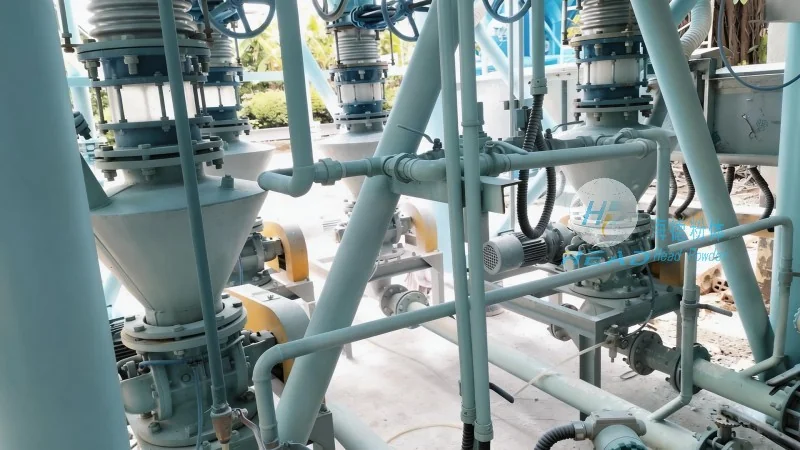
Polycarbonate material handling systems are widely used in various industrial applications, each with distinct operational requirements. One common scenario is in the manufacturing of polycarbonate products, where these systems are used to transport raw materials from storage to processing lines and then to packaging areas. For example, in the production of polycarbonate bottles or containers, the system may involve a series of conveyors to move pellets from a silo to an extrusion machine, followed by a sorting system to separate finished products from waste. Another application is in recycling facilities, where the systems help sort and transport polycarbonate waste for reprocessing. These facilities often use automated sorting systems that can identify and separate polycarbonate from other plastics, ensuring efficient recycling processes. In addition, these systems are utilized in research and development laboratories, where precise handling of small polycarbonate samples is essential. Researchers may use specialized handling equipment to move and process small polycarbonate components for testing, leveraging the system's precision and reliability. Each application scenario benefits from the specialized design of the material handling system, which addresses the unique challenges of handling polycarbonate materials in that particular environment.
Benefits and Advantages
Implementing polycarbonate material handling systems offers numerous benefits to industrial operations. These systems significantly improve operational efficiency by reducing the time and labor required for material handling tasks. For instance, automated conveyor systems can transport materials at a consistent speed, reducing the need for manual intervention and minimizing downtime. They also enhance safety by minimizing the risk of manual handling errors and accidents. The use of automated systems reduces the likelihood of material damage, which is particularly important for polycarbonate products that are sensitive to handling conditions. Furthermore, the systems contribute to cost savings through reduced energy consumption and lower maintenance requirements. By optimizing material flow and reducing downtime, these systems help manufacturers maintain competitive advantages in the market. Additionally, the reliability of these systems ensures consistent product quality, which is critical for meeting customer expectations and regulatory standards. Overall, the adoption of polycarbonate material handling systems leads to improved productivity, reduced operational costs, and enhanced safety in industrial settings.
About Shandong HeadPowder Engineering Co., Ltd.
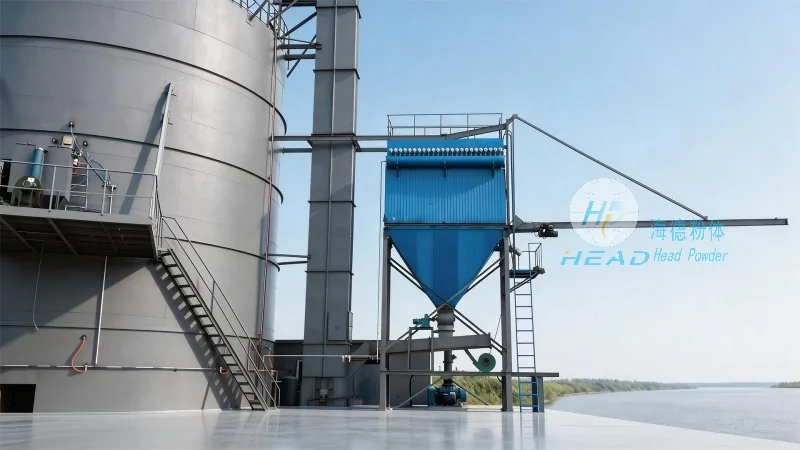
Shandong HeadPowder Engineering Co., Ltd., commonly known as HeadPowder, is a leading provider of specialized engineering solutions for material handling and processing. With a focus on innovation and quality, HeadPowder has established itself as a trusted partner in the industrial sector, offering tailored solutions that meet the specific needs of its clients. The company's expertise in polycarbonate material handling systems is built on years of experience and a commitment to delivering reliable, efficient, and cost-effective solutions. HeadPowder's team of engineers and technicians work closely with clients to understand their operational requirements and develop customized systems that enhance productivity and safety. The company's facilities, located in Shandong, China, are equipped with state-of-the-art technology and manufacturing capabilities, ensuring the highest standards of quality and performance in its products and services. HeadPowder provides comprehensive support, from system design and installation to maintenance and troubleshooting, ensuring that clients receive long-term value from their material handling solutions. The company's dedication to customer satisfaction and technological advancement has made it a preferred choice for businesses seeking to optimize their material handling processes in the polycarbonate industry.




