HeadPowder, a leading engineering firm based in Shandong, China, specializes in the design and implementation of advanced coal particle material handling systems. These systems are engineered to efficiently transport bulk coal particles from various sources to processing or storage facilities, ensuring optimal performance and reliability in industrial applications.
Core Principles of Coal Particle Material Handling Systems
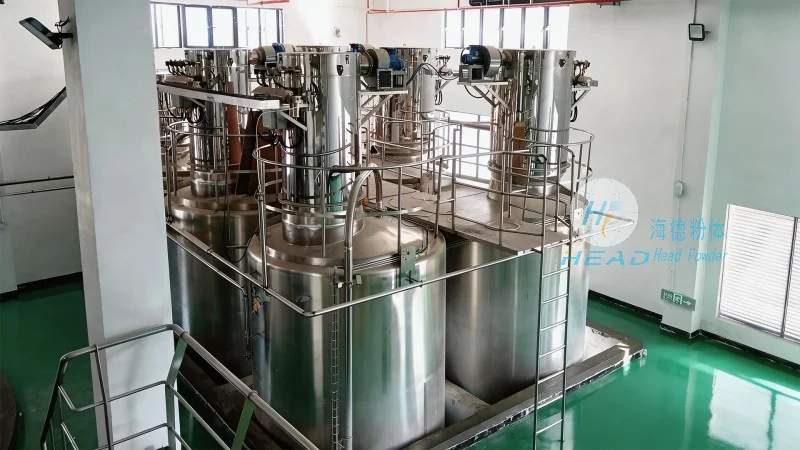
The fundamental principle behind coal particle material handling systems is the utilization of mechanical forces, such as gravity, pressure, and vacuum, to move coal particles through a network of pipes, conveyors, or other transport mechanisms. These systems are meticulously designed to handle the unique characteristics of coal, including its size, density, and moisture content, which can significantly impact transport efficiency. Advanced engineering techniques are employed to minimize material degradation, reduce energy consumption, and ensure consistent flow rates. The systems typically incorporate components like feeders, hoppers, and control valves that regulate the flow of coal particles, while sensors and monitoring systems provide real-time data on system performance and potential issues.
Key Working Scene Characteristics
Coal particle material handling systems are deployed in diverse industrial settings, each with distinct operational requirements and environmental factors. In power plants, for example, these systems are critical for transporting coal from storage silos to boilers, where it is burned to generate electricity. The systems must be capable of handling large volumes of coal at high speeds while maintaining precise control over flow rates to match boiler demand. In mining operations, the systems are used to transport coal from extraction sites to processing plants, often operating in harsh, underground environments. Here, durability and resistance to corrosion are paramount, as the equipment is exposed to abrasive materials and moisture. Additionally, in coal preparation plants, the systems play a vital role in transporting raw coal to washing and screening equipment, where impurities are removed before further processing. The working scenes may vary from open-pit mines to underground tunnels, and from large-scale power generation facilities to smaller industrial plants, each requiring tailored system designs to meet specific operational needs.
System Components and Operational Efficiency
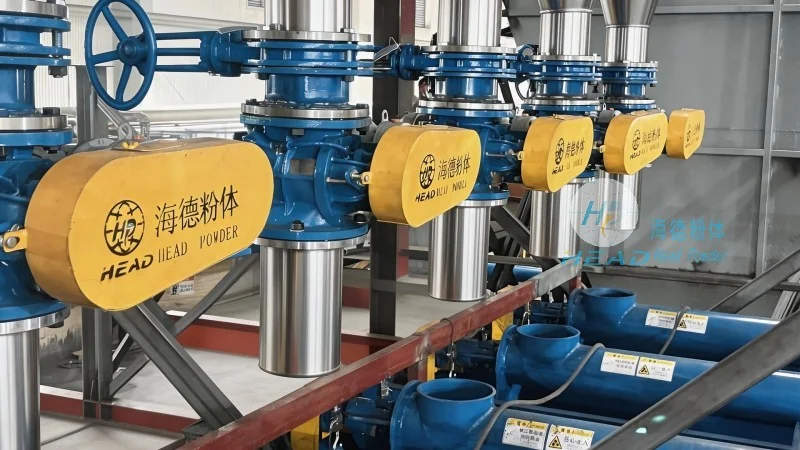
Coal particle material handling systems consist of several integrated components that work in concert to ensure smooth operation. Feeders, such as rotary or vibratory types, are used to regulate the flow of coal from storage hoppers into the transport system. Hoppers and chutes are designed to guide the coal particles into the appropriate conveyors or pipelines, minimizing blockages and ensuring consistent flow. Conveyors, including belt, screw, or pneumatic types, are selected based on the specific characteristics of the coal and the operational environment. Belt conveyors are commonly used for horizontal or slight incline transport due to their high capacity and durability, while screw conveyors are suitable for vertical or inclined transport in confined spaces. Pneumatic conveying systems, which use air pressure to move coal particles through pipes, are ideal for applications requiring dust control and minimal material degradation. Control systems, including PLCs (Programmable Logic Controllers) and sensors, monitor and adjust system parameters in real-time, ensuring optimal performance and preventing operational disruptions. These components are engineered to work together seamlessly, maximizing operational efficiency and minimizing downtime.
Advantages and Applications
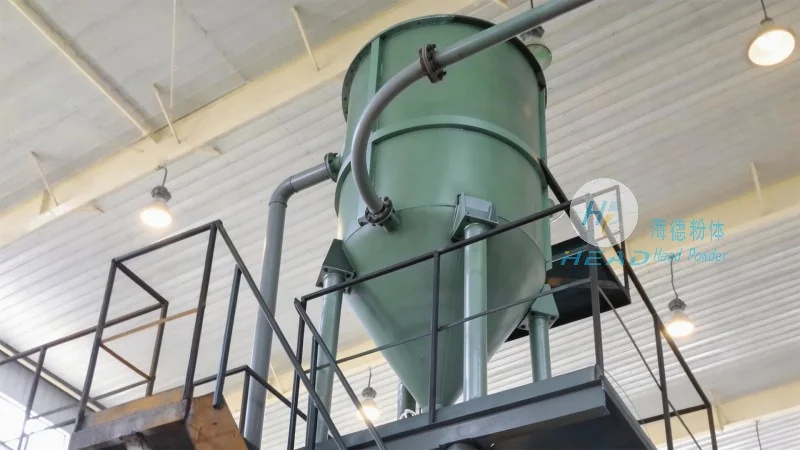
The implementation of coal particle material handling systems offers numerous advantages in industrial settings. These systems enhance operational efficiency by reducing labor costs associated with manual handling and improving the speed of material transport. They also contribute to improved safety by minimizing human exposure to hazardous materials and reducing the risk of accidents associated with manual handling. Additionally, advanced systems incorporate features like dust suppression and noise reduction, which help mitigate environmental impacts and improve workplace conditions. The versatility of these systems allows them to be applied in a wide range of industries beyond coal, including mining, cement production, and chemical processing, where bulk material handling is required. The systems are designed to adapt to varying operational conditions, making them suitable for both large-scale and small-scale applications.
Conclusion
Coal particle material handling systems, as developed by HeadPowder, represent a sophisticated solution for the efficient and reliable transport of bulk coal particles. By integrating advanced engineering principles and tailored components, these systems address the unique challenges of coal handling while optimizing performance and operational efficiency. With a strong presence in Shandong, China, HeadPowder continues to provide innovative solutions that meet the evolving needs of industrial applications, ensuring sustainable and effective material handling in various working scenes.




