Compound fertilizer material handling systems are critical components in modern agricultural and industrial operations, designed to efficiently transport and manage bulk materials such as nitrogen, phosphorus, and potassium (NPK) compounds. These systems integrate advanced engineering principles to ensure optimal performance, safety, and reliability in various operational environments. The core functionality revolves around the seamless movement of raw materials from storage to processing units, or from production lines to packaging and distribution points. Understanding the underlying principles and typical working scenarios is essential for optimizing operational efficiency and meeting production demands.
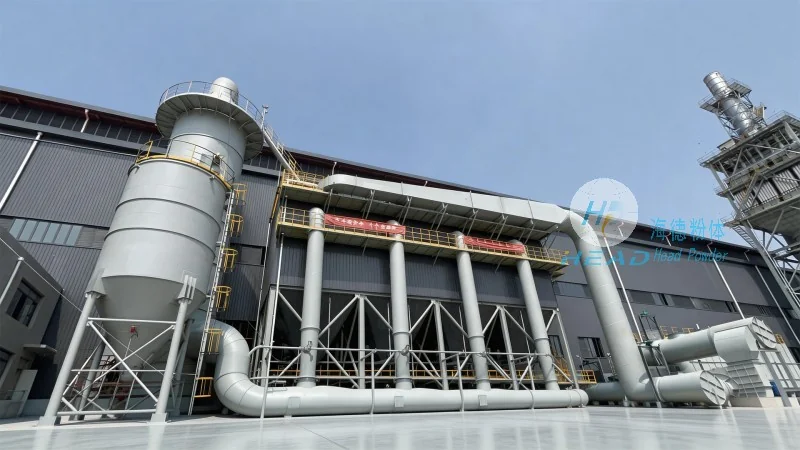
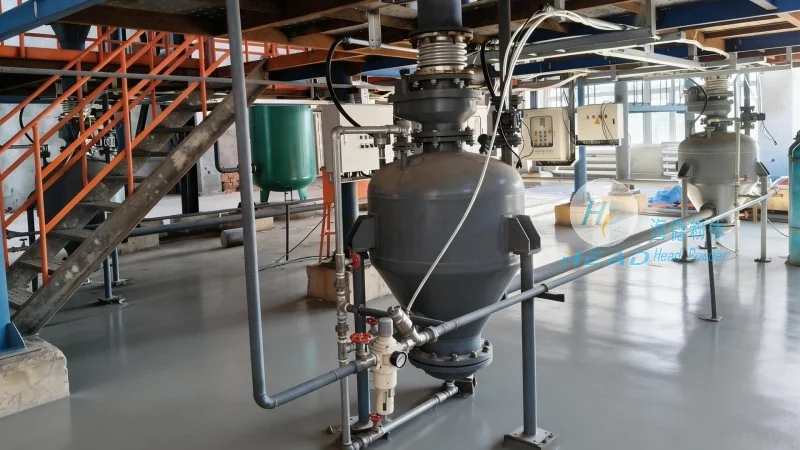
Key Principles of Material Handling in Compound Fertilizer Production
The fundamental principles of compound fertilizer material handling systems focus on several key aspects, including material flow optimization, equipment selection based on material properties, and integration with overall production processes. Material flow optimization involves designing a system that minimizes bottlenecks and maximizes throughput, ensuring that raw materials move smoothly from one stage to the next. Equipment selection is critical, as different components like conveyors, elevators, and storage silos must be chosen to handle specific material characteristics, such as bulk density, moisture content, and particle size. Additionally, the system must be integrated with other production processes, such as mixing, granulation, and packaging, to create a cohesive and efficient workflow. By adhering to these principles, manufacturers can enhance productivity, reduce downtime, and improve overall operational performance.
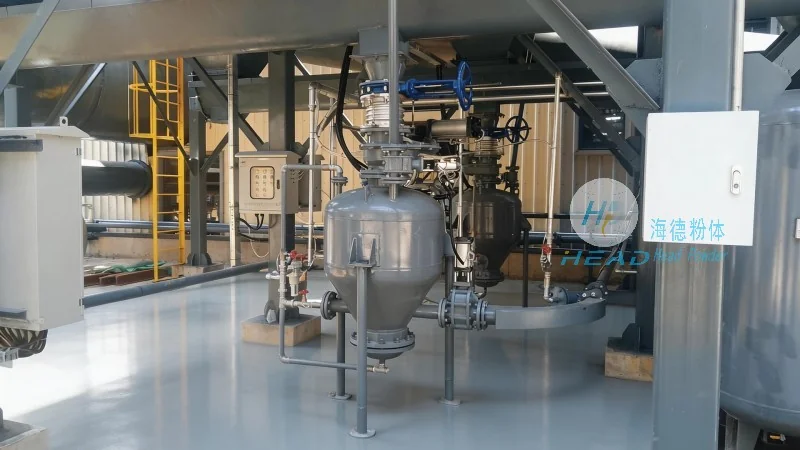
Working Scene Characteristics and Applications
The working scene characteristics of compound fertilizer material handling systems vary significantly based on the scale of operation, production capacity, and specific application requirements. For large-scale industrial facilities, systems often feature high-capacity conveyors, automated storage and retrieval systems (AS/RS), and advanced control systems to manage complex material flows. These systems are designed to handle high volumes of raw materials and finished products, ensuring continuous operation and minimal manual intervention. In contrast, smaller-scale operations may utilize more compact and flexible systems, such as belt conveyors or screw conveyors, which are suitable for handling moderate volumes and varying material types. The working scene also includes considerations for environmental factors, such as dust control and material containment, to ensure compliance with safety and regulatory standards. Additionally, the system must be adaptable to changes in production schedules and material types, allowing for flexibility in response to market demands or operational adjustments.
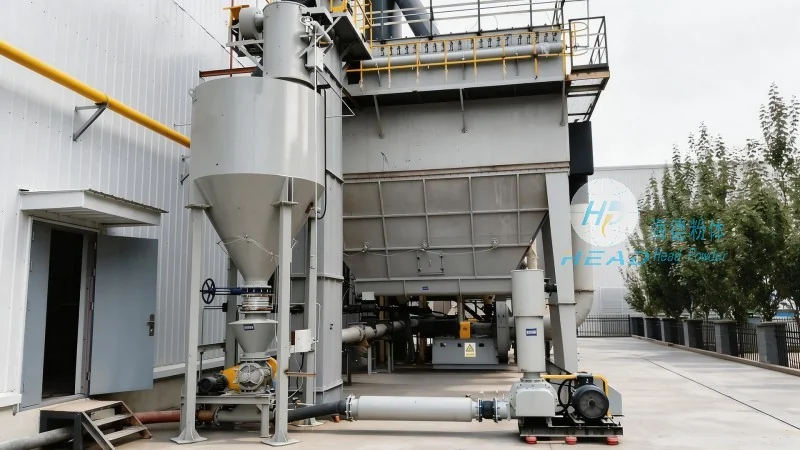
Company Background: Shandong HeadPowder Engineering Co., Ltd.
Shandong HeadPowder Engineering Co., Ltd., commonly known as headpowder, is a leading provider of engineering solutions for the fertilizer industry. With a strong focus on innovation and customer-centric approaches, the company specializes in designing, manufacturing, and installing compound fertilizer material handling systems tailored to the unique needs of its clients. Headpowder's expertise spans across various aspects of fertilizer production, including material handling, storage, and processing. The company's team of experienced engineers and technicians leverages advanced technology and industry best practices to deliver high-quality, reliable systems that meet international standards. Headpowder's commitment to quality and customer satisfaction has established it as a trusted partner in the global fertilizer market, serving clients across China and beyond. The company's headquarters is located in Shandong, China, where it continues to drive technological advancements and expand its service offerings.




