HeadPowder, a leading engineering firm based in Shandong, China, specializes in the design and implementation of efficient material handling systems for various industrial applications. This article delves into the fundamental principles behind the conveyance of baking soda, a widely used chemical in industries such as food processing, pharmaceuticals, and chemical manufacturing, while highlighting the specific operational characteristics of these systems in real-world scenarios.
Understanding the Core Principles of Baking Soda Material Conveying
The conveyance of baking soda, chemically known as sodium bicarbonate (NaHCO₃), involves several key principles that ensure safe, efficient, and reliable transport. Baking soda is a fine, white powder with a relatively low bulk density and a tendency to generate dust during handling. These properties necessitate specialized equipment and processes to prevent clogging, ensure consistent flow, and maintain product integrity. The primary principles include:
1. **Dust Control and Airflow Management**: Due to its fine particle size, baking soda is prone to creating dust clouds during loading, transfer, and storage. Effective conveying systems incorporate dust suppression mechanisms, such as sealed hoppers, air filtration systems, and enclosed conveyor belts, to minimize airborne particles and ensure a clean working environment. Proper airflow management also helps maintain consistent material flow by preventing particle segregation and bridging in the conveyor.
2. **Preventing Clogging and Agglomeration**: Baking soda can agglomerate or form clumps, especially when exposed to moisture or high humidity. Conveying systems are designed with features like vibratory feeders, rotating paddles, or air knives to break up these agglomerates and maintain a uniform flow. Additionally, the use of smooth, non-stick surfaces in the conveyor components reduces the likelihood of material sticking and clogging the system.
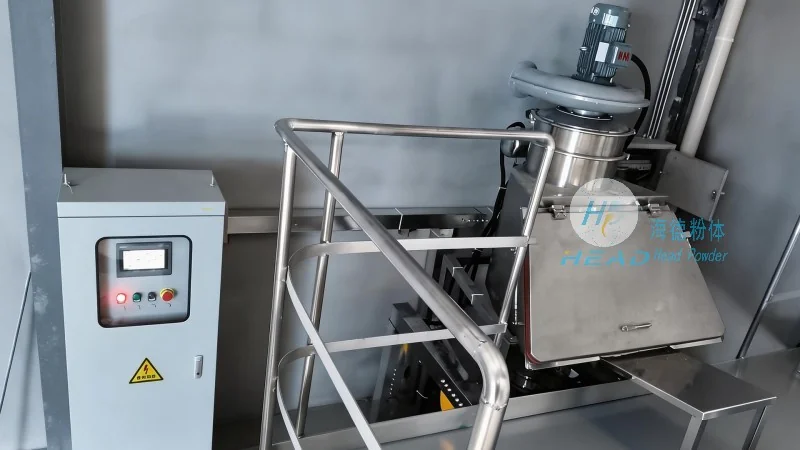
3. **Energy Efficiency and Material Handling Speed**: Modern conveying systems for baking soda prioritize energy efficiency and operational speed. This is achieved through the use of variable frequency drives (VFDs) to adjust motor speeds based on the load, reducing energy consumption during low-demand periods. The design of the conveyor, including the angle of inclination and the type of belt or screw, is optimized to minimize the energy required to move the material while maintaining the desired throughput.
Key Working Scene Characteristics of Baking Soda Conveying Systems
The operational characteristics of baking soda material conveying systems vary significantly depending on the specific application and the scale of the operation. Understanding these characteristics is crucial for selecting the appropriate equipment and ensuring optimal performance. Below are some of the most common working scene scenarios:
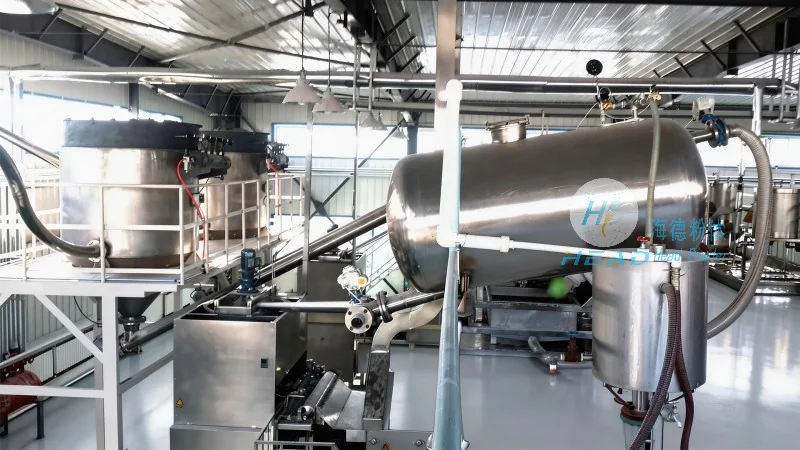
1. **Bulk Storage and Transfer in Chemical Plants**: In large-scale chemical manufacturing facilities, baking soda is often stored in bulk silos and transferred to processing units via pneumatic conveying systems. These systems use compressed air to transport the material through a network of pipes, allowing for long-distance transport without the need for multiple transfer points. The key characteristics here include high throughput capacity, minimal product degradation, and the ability to handle large volumes of material efficiently.
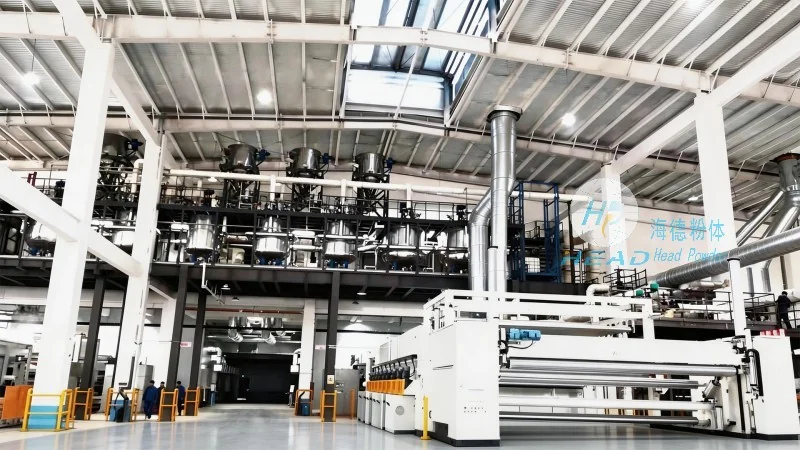
2. **Food Processing and Packaging Lines**: In the food industry, baking soda is used as a leavening agent and a pH adjuster. The conveying systems in these settings must meet strict hygiene standards and be easy to clean. Typically, these systems use stainless steel components, enclosed conveyor belts, and positive displacement pumps to ensure that the material remains free from contamination and is transferred safely to packaging machines. The focus here is on maintaining product purity and adhering to food safety regulations.
3. **Pharmaceutical Manufacturing and Quality Control**: For pharmaceutical applications, the conveying of baking soda requires even higher levels of precision and cleanliness. Systems are often equipped with advanced filtration and sterilization features, such as HEPA filters and UV sterilization, to ensure that the material is free from microbial contamination. The operational characteristics include precise dosing control, minimal particle size variation, and the ability to integrate with automated quality control systems for real-time monitoring.
4. **Small-Scale Industrial and Laboratory Use**: In smaller industrial settings or laboratories, the conveying of baking soda may involve manual or semi-automated systems. These systems are typically simpler in design, using gravity-fed chutes or small pneumatic conveyors to move smaller quantities of material. The key characteristics here include ease of maintenance, low operational cost, and the ability to handle smaller volumes without the need for complex infrastructure.
HeadPowder's Expertise in Baking Soda Material Conveying Solutions
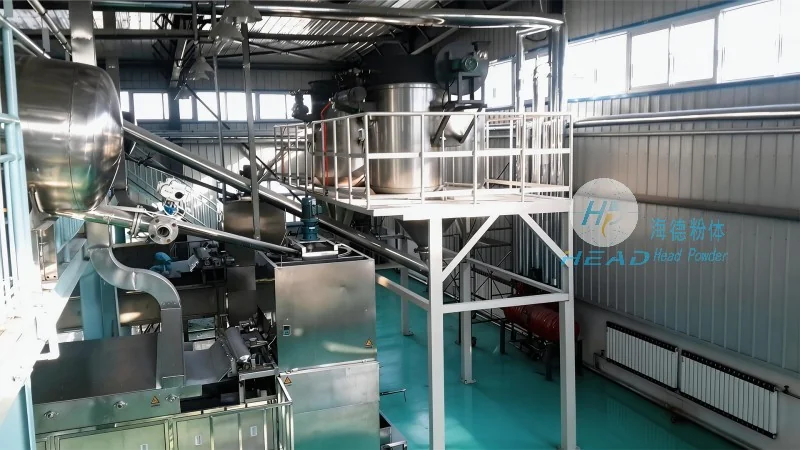
Shandong HeadPowder Engineering Co., Ltd., with its headquarters in Shandong, China, has established itself as a trusted provider of customized material handling solutions for baking soda and other fine powders. The company leverages its deep understanding of the unique properties of baking soda to design and implement systems that address the specific challenges of each application. By combining advanced engineering principles with practical field experience, HeadPowder ensures that its clients receive efficient, reliable, and cost-effective conveying solutions.
HeadPowder's approach to material conveying involves a comprehensive process that starts with a thorough analysis of the client's operational needs and material characteristics. This includes assessing factors such as the bulk density, moisture content, and particle size distribution of the baking soda, as well as the required throughput and distance of transport. Based on this analysis, the company selects the most appropriate conveying technology, such as screw conveyors, belt conveyors, or pneumatic systems, and tailors it to meet the specific requirements of the application.
The company's expertise extends beyond equipment design to include system integration and maintenance services. HeadPowder provides comprehensive support, including installation, commissioning, and ongoing maintenance, to ensure that the conveying systems operate at peak efficiency throughout their service life. This commitment to quality and reliability has made HeadPowder a preferred partner for many industries, helping them optimize their material handling processes and improve overall operational performance.




