HeadPowder, a leading engineering firm based in Shandong, China, specializes in the design and implementation of efficient material handling systems for various industrial applications. This article explores the fundamental principles underlying the transport of magnesium silicate materials and highlights the key characteristics of the working environments where such systems are typically deployed.
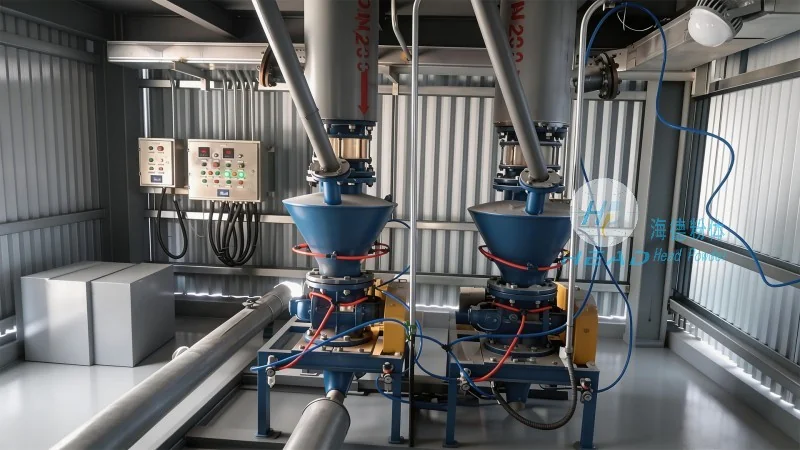
Understanding the Core Principles of Magnesium Silicate Material Handling
The efficient handling of magnesium silicate, a common industrial material, relies on a combination of mechanical engineering principles and specialized equipment. At the heart of the process is the ability to move bulk materials from one location to another with minimal loss, maximum efficiency, and adherence to safety standards. Key principles include the use of appropriate conveyor systems, such as belt conveyors or screw conveyors, which are tailored to the physical properties of magnesium silicate—its particle size, density, and flow characteristics. For instance, when dealing with fine or powdery magnesium silicate, a belt conveyor with a smooth surface may be preferred to prevent material buildup, while a screw conveyor can effectively handle more cohesive or granular forms.
Another critical principle is the integration of control systems that monitor and regulate the material flow. These systems often include sensors to detect the level of material in hoppers or silos, ensuring that the conveyor operates at optimal capacity without overloading. Additionally, the design of the material handling system must account for the material's reactivity or potential dust generation, incorporating features like dust suppression mechanisms or enclosed conveyor designs to maintain a safe working environment.
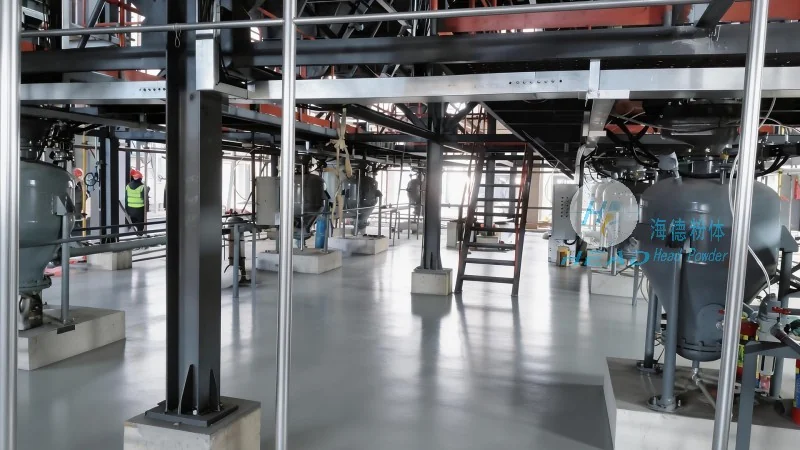
Key Working Scene Characteristics of Magnesium Silicate Material Handling
The working environments where magnesium silicate material handling systems are deployed exhibit distinct characteristics that influence system design and operation. These environments are typically found in industrial settings such as mining, chemical processing, and construction material production. In mining operations, for example, the material may be extracted from ore and transported to processing facilities, requiring robust systems capable of handling large volumes of raw material and abrasive particles. The working scene often involves heavy-duty equipment operating in rugged outdoor conditions, with a focus on durability and low maintenance.
In chemical processing plants, the handling of magnesium silicate may involve more controlled environments, such as enclosed processing lines, to prevent contamination or dust exposure. Here, the system design emphasizes precision and cleanliness, with features like air filtration and material containment to meet regulatory standards. The working scene may also include integration with other processing equipment, such as mixing or drying units, requiring seamless coordination to maintain product quality.
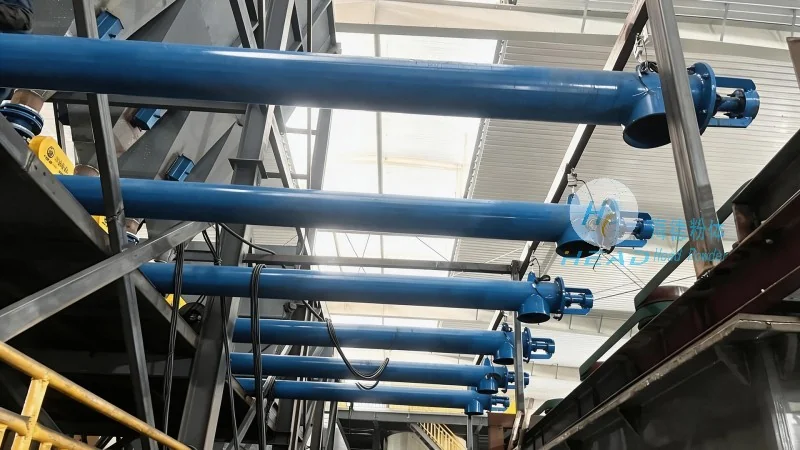
Construction material production facilities present another scenario, where magnesium silicate is often used as an additive in cement or other building materials. The material handling system in this context must be able to handle both bulk and packaged forms of the material, with the ability to transfer it to storage silos or directly to mixing equipment. The working environment may involve high throughput requirements, as construction projects demand consistent material supply, and the system must be reliable to avoid production delays.
System Design Considerations for Optimal Performance
When designing a magnesium silicate material handling system, several factors must be considered to ensure optimal performance and longevity. First, the material's physical properties, including its bulk density, angle of repose, and flowability, are critical in selecting the appropriate conveyor type and speed. For example, a material with a high angle of repose may require a steeply inclined conveyor or a vibratory feeder to prevent material bridging or clogging.
Second, the system must be constructed from materials that are compatible with magnesium silicate, avoiding corrosion or chemical reactions. Stainless steel or specialized coatings are often used for components that come into direct contact with the material, ensuring durability and maintaining product purity. Additionally, the system's layout must consider space constraints and operational flow, optimizing the path of material movement to minimize energy consumption and operational costs.
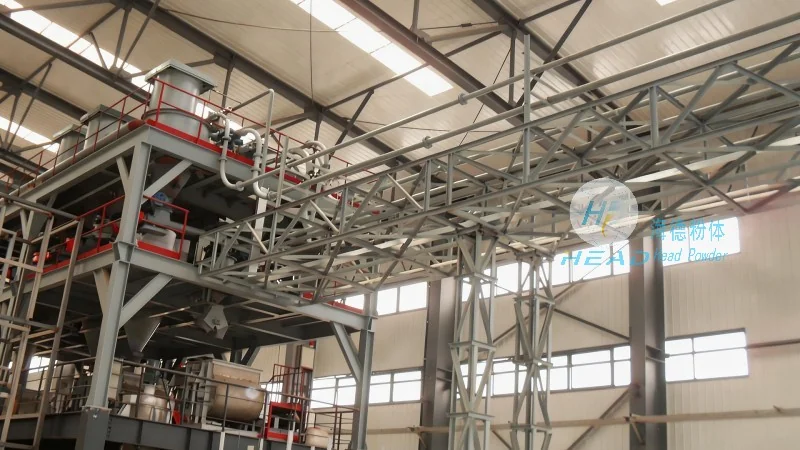
Third, safety and maintenance are paramount in industrial material handling. The system should incorporate safety features such as emergency stop buttons, protective guards, and monitoring systems to prevent accidents. Regular maintenance schedules are also essential to ensure the system operates efficiently over time, with components like bearings and belts replaced as needed to avoid breakdowns.
Conclusion
Efficient magnesium silicate material handling systems are essential for industrial operations, combining mechanical engineering principles with tailored equipment to meet the demands of various working environments. By understanding the core principles of material transport and the specific characteristics of the working scenes, companies can design and implement systems that enhance productivity, ensure safety, and maintain product quality. HeadPowder, with its expertise in engineering solutions, continues to provide reliable material handling systems that meet the diverse needs of industries relying on magnesium silicate materials.




