Understanding the principles and characteristics of magnesium hydroxide powder conveying is crucial for industries that handle this material efficiently and safely. This article explores the fundamental mechanisms behind the process and highlights key working scenarios where such systems are applied, providing insights into the technical and operational aspects of powder handling for magnesium hydroxide.
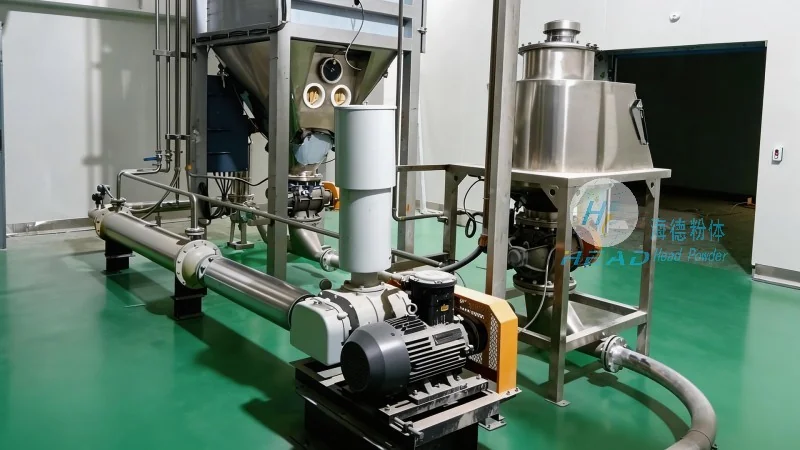
Overview of Magnesium Hydroxide Powder Conveying
Magnesium hydroxide, a white powder commonly used in various industrial applications such as flame retardants, pharmaceuticals, and chemical processing, requires specialized conveying systems due to its fine particle size and potential for dust generation. The primary goal of powder conveying is to transport the material from one location to another without degradation, loss, or contamination. Effective conveying systems must address challenges like particle segregation, caking, and the need for low-pressure, low-energy operation to maintain material integrity.
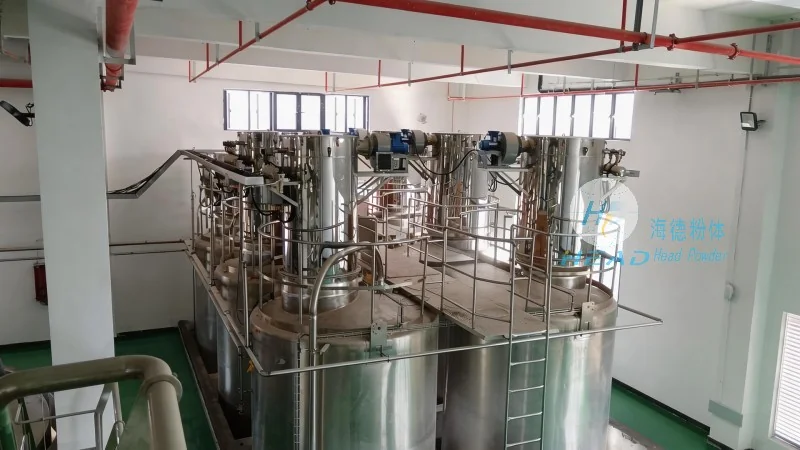
The Core Principles of Powder Conveying for Magnesium Hydroxide
The fundamental principles of magnesium hydroxide powder conveying revolve around the use of pneumatic or mechanical systems that can handle fine powders while minimizing the risk of blockages and material degradation. Pneumatic conveying, for instance, utilizes air or gas to transport particles through pipelines, leveraging pressure differentials to move the material. This method is particularly suitable for magnesium hydroxide due to its low density and the need to avoid mechanical wear on equipment. Mechanical conveying systems, on the other hand, employ components like screw conveyors, belt conveyors, or bucket elevators to transport the powder, often complemented by vibration or air-assisted mechanisms to enhance flow.
Key Working Scene Characteristics
The working scene characteristics of magnesium hydroxide powder conveying vary based on the application and operational environment. In industrial settings, such as chemical plants or manufacturing facilities, the system must be designed to handle large volumes of material with high throughput rates. The environment may involve high temperatures or exposure to moisture, which can affect the material's properties and the conveying equipment's performance. For example, in flame retardant production, the conveying system must ensure consistent particle size distribution and prevent agglomeration, as these factors directly impact the final product's effectiveness.
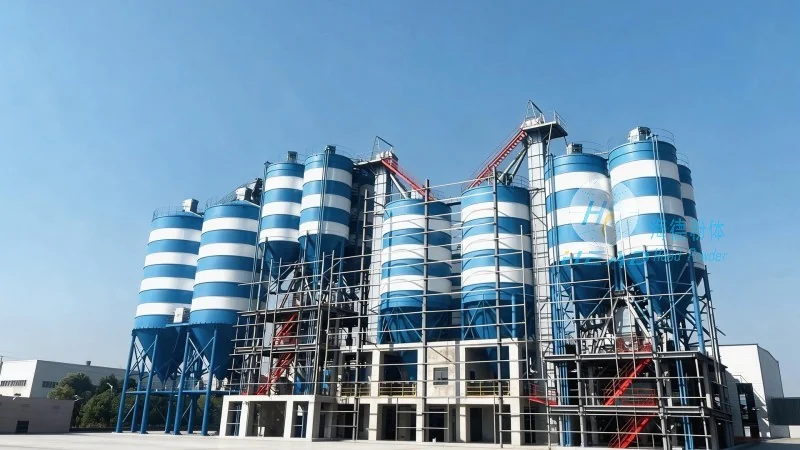
Company Introduction: Shandong HeadPowder Engineering Co., Ltd.
Headpowder, or Shandong HeadPowder Engineering Co., Ltd., is a leading provider of specialized powder handling solutions tailored to the unique needs of industries dealing with magnesium hydroxide and other fine powders. With a focus on innovation and customer-centric design, the company has developed advanced conveying systems that address the challenges associated with handling this material. Headpowder's expertise lies in understanding the material's physical properties and adapting conveying technologies to ensure efficient, safe, and reliable transport. The company's facilities are located in Shandong, China, where it leverages local resources and expertise to deliver high-quality solutions to global markets.




