Understanding the principles and characteristics of textile fiber powder conveying is crucial for optimizing material handling processes in the textile industry. This article delves into the core mechanisms behind efficient powder transport, alongside the specific working scenarios where these systems excel, all presented by Shandong HeadPowder Engineering Co., Ltd., a leading provider in the field.
Core Principles of Textile Fiber Powder Conveying
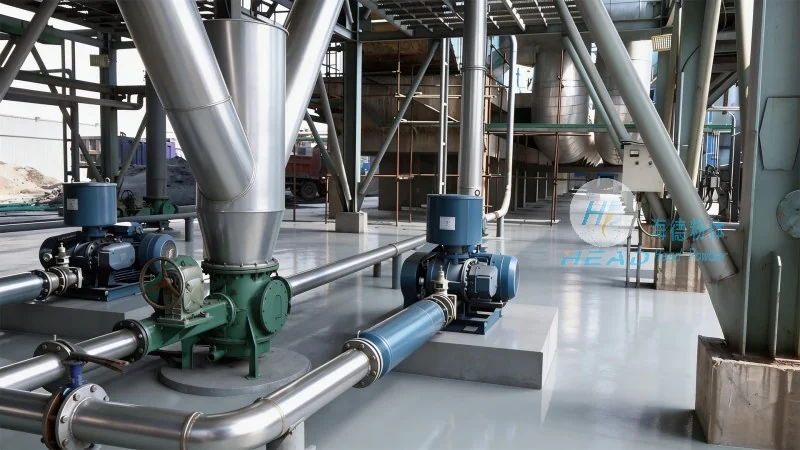
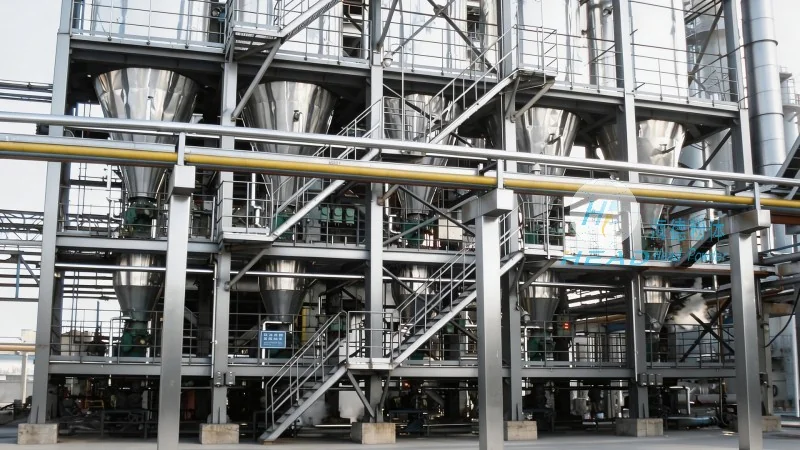
The fundamental principle of textile fiber powder conveying revolves around the efficient movement of fine, lightweight particles such as cotton, polyester, or acrylic fibers from one location to another. Unlike bulk solids, textile fibers often exhibit unique properties like low bulk density, high air permeability, and susceptibility to static electricity, which require specialized conveying methods. HeadPowder's systems typically employ air-based or mechanical solutions tailored to these characteristics. For instance, pneumatic conveying systems use compressed air to create a flow that transports fibers through pipelines, while mechanical systems like screw conveyors or belt conveyors utilize rotating components to move the material. The choice between these methods depends on factors like fiber type, particle size, and the required conveying distance. In pneumatic systems, the design of the air ducts, including the use of venturi tubes or rotary valves, ensures minimal pressure drop and efficient particle suspension. Mechanical systems, on the other hand, rely on the friction between the fibers and the conveyor surface, making them suitable for larger or more abrasive materials. The key to effective conveying lies in maintaining consistent airflow or rotational speed, preventing material buildup or blockages that could lead to system inefficiencies.
Working Scene Characteristics and Applications
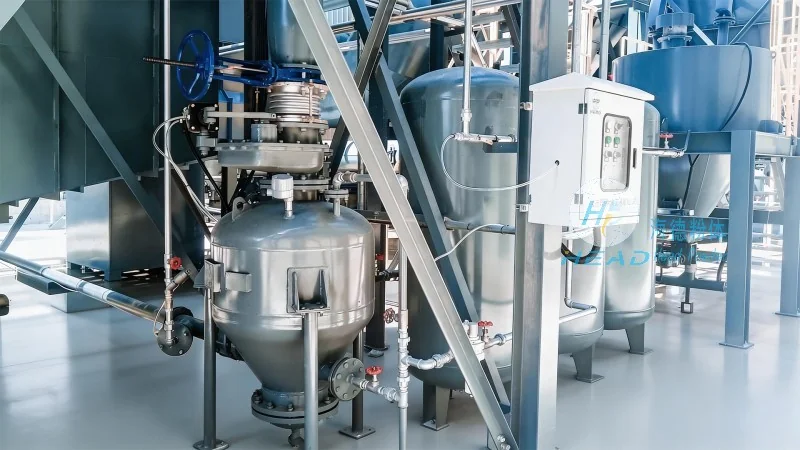
Textile fiber powder conveying systems are deployed in a variety of industrial settings, each with distinct characteristics that influence system design and performance. One common application is in textile manufacturing facilities where raw fibers are transported from storage silos to processing machines. Here, the system must handle large volumes of material while maintaining low dust generation and preventing fiber degradation. HeadPowder's solutions often incorporate dust control measures, such as sealed ducts and filtration systems, to ensure a clean working environment. Another scenario involves the transfer of fibers between different processing stages, such as from a carding machine to a spinning machine. In these cases, the conveying system must maintain the fiber's quality, avoiding entanglement or breakage. The working environment in such settings is typically high-speed and continuous, requiring reliable and low-maintenance equipment. Additionally, in recycling facilities, textile fiber powder conveying is used to transport reclaimed fibers from sorting lines to reprocessing units. This application demands robust systems capable of handling mixed fiber types and potential contaminants, with features like self-cleaning mechanisms to prevent clogging. The working scene characteristics also include the need for scalability, as production volumes can vary significantly, and the system must adapt accordingly. HeadPowder's designs often incorporate modular components that allow for easy expansion or reconfiguration to meet changing production demands.
Company Background and Expertise
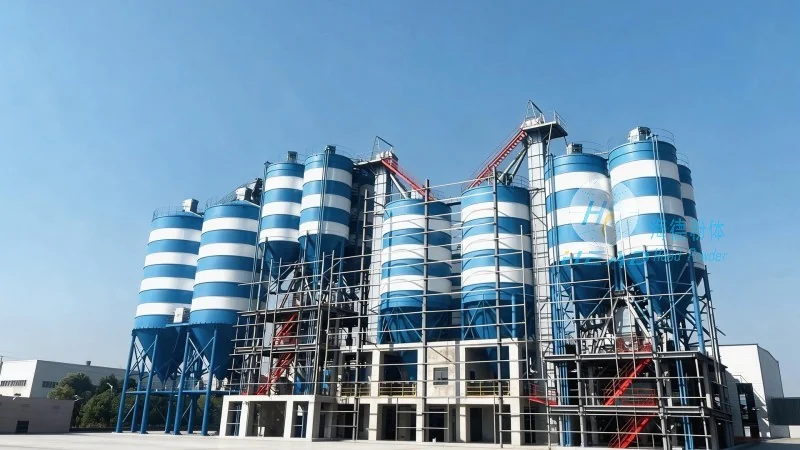
Shandong HeadPowder Engineering Co., Ltd. (headpowder) is a specialized engineering firm based in Shandong, China, dedicated to providing advanced powder handling solutions for the textile industry. With years of experience in the field, the company has developed a deep understanding of the unique challenges associated with textile fiber transport. HeadPowder's team of engineers and technicians works closely with clients to assess their specific needs, from material properties to operational requirements, and designs customized conveying systems that address these challenges effectively. The company's commitment to innovation is evident in its use of cutting-edge technologies, such as variable frequency drives for energy efficiency and advanced control systems for precise material flow. These features not only enhance system performance but also reduce operational costs and environmental impact. HeadPowder's products are designed to meet international standards for safety and reliability, ensuring that they can be integrated seamlessly into existing production lines. The company's local presence in Shandong provides clients with convenient access to technical support and maintenance services, which is crucial for maintaining system uptime in demanding industrial environments.




