For industrial operations involving potato powder, efficient and reliable conveying systems are crucial. This article explores the fundamental principles of potato powder conveying and highlights key characteristics of its application in various working scenes. By understanding these aspects, businesses can optimize their processes and enhance productivity in handling this specific powder material.
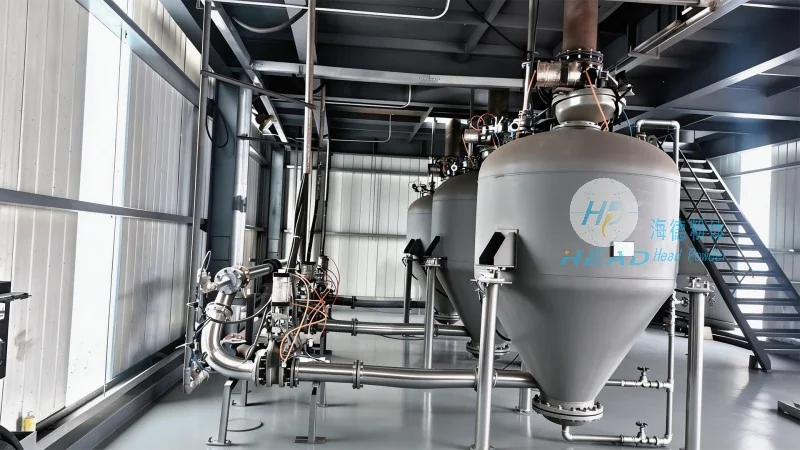
Introduction to Potato Powder Conveying Systems
Conveying potato powder is a critical step in many industrial processes, such as food processing, pharmaceutical manufacturing, and agricultural product handling. The efficiency of the conveying system directly impacts the overall workflow, product quality, and operational costs. Effective potato powder conveying requires a deep understanding of the material's properties and the appropriate technology to handle it without degradation or loss.
Core Principles of Potato Powder Conveying
The primary principle behind potato powder conveying is the movement of dry, free-flowing powders from one location to another. This is typically achieved through mechanical or pneumatic methods. Mechanical conveyors, like screw conveyors or belt conveyors, rely on physical force to transport the powder. Pneumatic conveyors, on the other hand, use air pressure to create a flow of the powder through a pipeline. The choice of method depends on factors such as the powder's moisture content, particle size, and the distance and height of the transfer.
For potato powder, which is often fine and can be prone to caking or agglomeration, pneumatic conveying is often preferred. This method uses air to create a fluidized bed of powder, ensuring smooth and consistent transport. The system typically includes a hopper, a blower, and a pipeline network. The hopper stores the powder, the blower generates the necessary air pressure, and the pipeline transports the powder to the destination. This approach minimizes product degradation and ensures a clean, hygienic transfer, which is essential in food and pharmaceutical industries.
Working Scene Characteristics of Potato Powder Conveying
The characteristics of potato powder conveying vary significantly based on the specific working scene or application. Different industries and processes have unique requirements that influence the design and operation of the conveying system. For instance, in a large-scale food processing plant, the system may need to handle high volumes of powder over long distances, requiring robust and high-capacity equipment. In contrast, a smaller-scale laboratory or research facility may require a more compact and flexible system that can be easily adjusted for different powder types or quantities.
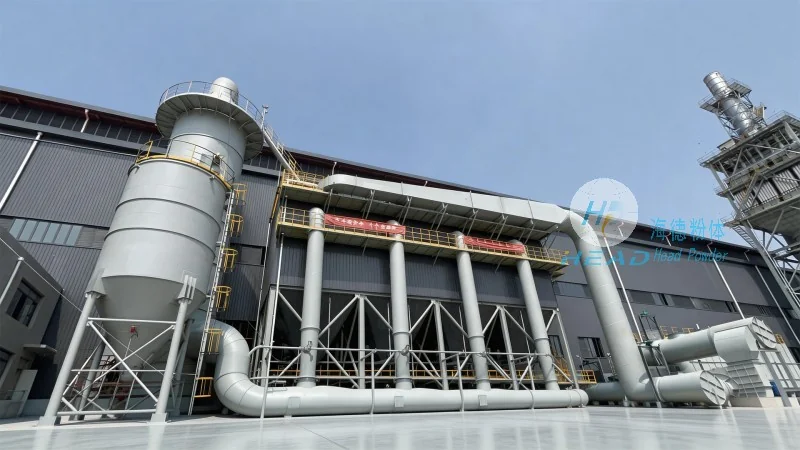
In food processing applications, the conveying system must adhere to strict hygiene standards. This includes materials that are non-corrosive, easy to clean, and resistant to contamination. The system may also need to integrate with other processing equipment, such as mixers, blenders, or packaging machines. The working scene may involve continuous production lines where the conveyor operates 24/7, demanding high reliability and minimal downtime. Maintenance and cleaning procedures are also critical to ensure the system remains in compliance with food safety regulations.
In pharmaceutical manufacturing, the requirements are even more stringent. The conveying system must be designed to prevent cross-contamination, ensure product purity, and meet regulatory standards like GMP (Good Manufacturing Practice). The materials used in the conveyor components, such as stainless steel, are chosen for their ability to resist corrosion and facilitate thorough cleaning. The working scene may involve handling sensitive pharmaceutical powders that are temperature-sensitive or require controlled humidity levels. The conveying system may be integrated with temperature-controlled environments to maintain product integrity.
In agricultural product handling, the focus is often on efficiency and cost-effectiveness. The working scene may involve transferring potato powder from storage silos to processing facilities or distribution centers. The system may need to handle bulk quantities and operate in outdoor or semi-outdoor environments. The characteristics of the working scene may include variable weather conditions, requiring the conveyor to be durable and weather-resistant. The system may also need to integrate with other agricultural equipment, such as trucks or bulk loaders, to streamline the entire supply chain.
Key Factors Influencing Potato Powder Conveying Performance
Several factors play a crucial role in the performance of potato powder conveying systems. These factors include the powder's physical properties, such as particle size distribution, moisture content, and bulk density. The particle size affects the flowability and the risk of clogging in the conveyor. Moisture content can impact the powder's hygroscopic nature, leading to caking or clumping. Bulk density influences the flow rate and the power required for the conveying system. Understanding these properties allows for the selection of the most appropriate conveying method and equipment.
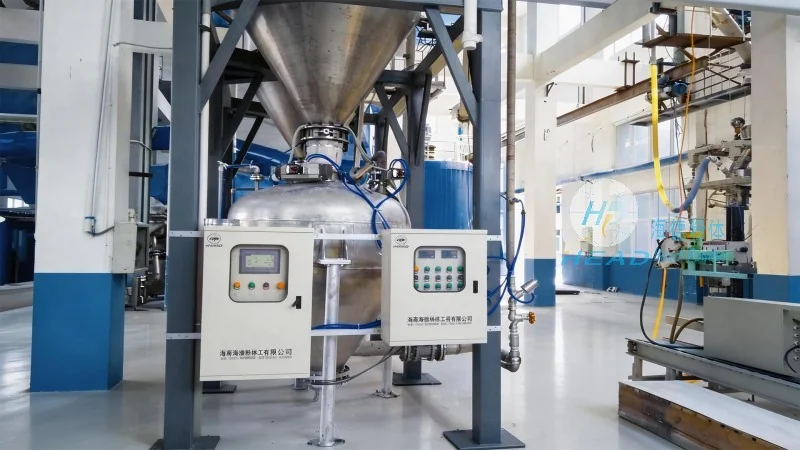
Another critical factor is the system's design and configuration. The layout of the conveyor, including the number and placement of hoppers, blower units, and pipelines, directly impacts the efficiency of the transfer. Properly sized components ensure that the system operates at optimal capacity without excessive energy consumption or pressure drops. The material of construction is also important, as it must withstand the abrasive nature of the powder and resist wear and tear over time. Stainless steel and high-grade plastics are commonly used for their durability and compatibility with food and pharmaceutical applications.
Operational parameters, such as air pressure, flow rate, and speed, are also key to maintaining efficient conveying. The air pressure generated by the blower must be sufficient to overcome the resistance in the pipeline and the weight of the powder. The flow rate should be adjusted to prevent overloading the system and ensure smooth transport. Speed settings may vary depending on the distance and height of the transfer, with higher speeds required for longer or steeper inclines. Monitoring and control systems are often integrated to adjust these parameters in real-time, optimizing performance and preventing issues like clogging or product degradation.
Conclusion and Application Insights
Efficient potato powder conveying is essential for various industrial applications, and understanding its principles and working scene characteristics is vital for optimizing operations. By selecting the appropriate conveying method, designing the system to meet specific requirements, and maintaining it properly, businesses can enhance productivity, ensure product quality, and reduce operational costs. The working scene characteristics, whether in food processing, pharmaceutical manufacturing, or agricultural handling, dictate the design and operation of the conveying system, making it a critical component of the overall process.
For companies involved in potato powder handling, partnering with a reputable engineering firm like Shandong HeadPowder Engineering Co., Ltd. can provide valuable expertise and tailored solutions. With a focus on industrial conveying systems, HeadPowder offers specialized equipment and services designed to meet the unique needs of different industries. Located in Shandong, China, HeadPowder leverages its experience and technical capabilities to deliver reliable and efficient potato powder conveying solutions that enhance operational efficiency and product quality.




