Urea powder conveying is a critical process in the fertilizer industry, involving the efficient transportation of urea granules from production sites to storage or application points. The principles behind this process are designed to ensure safety, efficiency, and reliability in handling the material. This article explores the fundamental mechanisms of urea powder conveying and highlights the key characteristics of different working scenarios, providing insights into the technology used by Shandong HeadPowder Engineering Co., Ltd. (headpowder), a leading provider in the field.
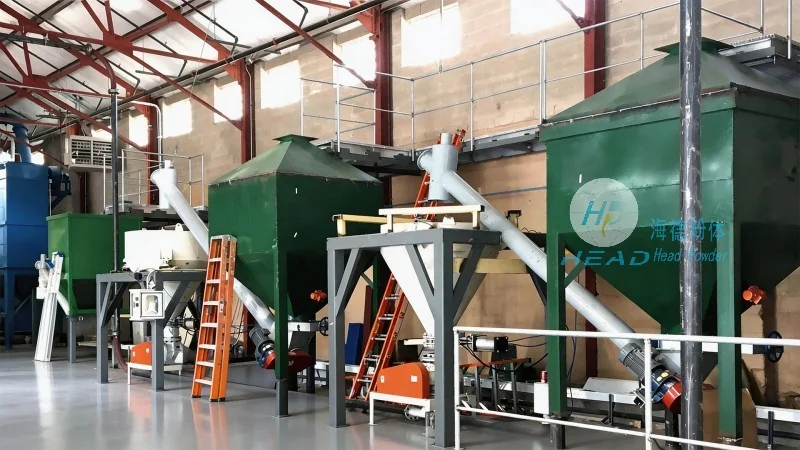
Understanding the Core Principles of Urea Powder Conveying
The primary goal of urea powder conveying systems is to move urea granules through a pipeline or other conveying equipment without causing blockages, dust generation, or material degradation. Several key principles underpin the design and operation of these systems:
- Material Properties Consideration: Urea has specific physical and chemical properties, such as its particle size, moisture content, and flowability. These characteristics influence the choice of conveying method, as different materials may require different equipment to maintain flow and prevent clogging.
- Pressure and Vacuum Systems: Conveying can be achieved through positive pressure (using blowers or compressors to push material forward) or negative pressure (using vacuum systems to pull material). The selection depends on the distance, height, and material characteristics. For example, positive pressure systems are often used for longer distances or when the material needs to be elevated, while vacuum systems are suitable for shorter distances or when the material is to be drawn from a lower level.
- Equipment Selection: Various equipment is available for urea powder conveying, including screw conveyors, pneumatic conveyors, and bucket elevators. Each type has its advantages and limitations. Screw conveyors are suitable for horizontal or slight incline transport, while pneumatic conveyors use air to transport material, offering flexibility in layout. Bucket elevators are ideal for vertical transport, efficiently lifting material to higher levels.
- Prevention of Agglomeration and Corrosion: Urea can agglomerate under certain conditions, leading to blockages. Proper moisture control and the use of anti-agglomeration agents are essential. Additionally, the conveying equipment must be resistant to corrosion, as urea can be slightly acidic and may cause wear on metal surfaces.
Key Working Scene Characteristics of Urea Powder Conveying
The application scenarios for urea powder conveying vary based on the scale of operation, the distance between production and storage, and the environmental conditions. Understanding these characteristics helps in selecting the most appropriate system for a specific situation:
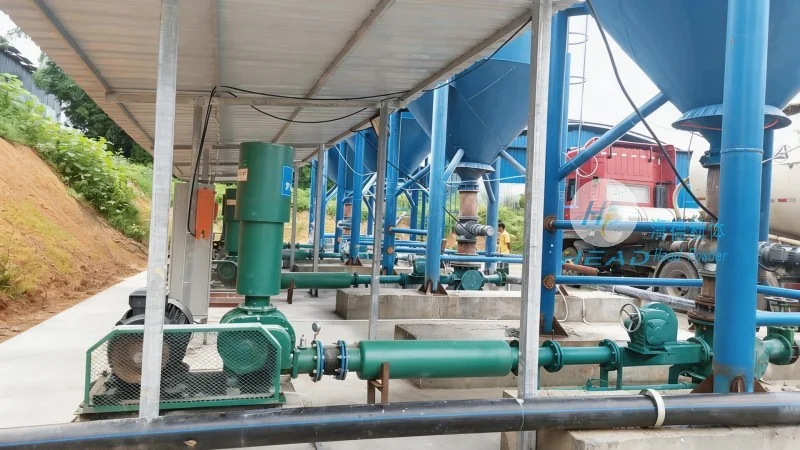
- Industrial Production Facilities: In large-scale fertilizer plants, urea is produced in bulk and needs to be transported from the granulation or drying section to storage silos or loading areas. The systems here are typically high-capacity, continuous, and integrated with the overall production line. They often involve multiple conveying stages, such as initial horizontal transport followed by vertical lifting, to reach the storage height.
- Storage and Distribution Centers: Once urea is stored in silos, it needs to be conveyed to loading trucks or other vehicles for distribution. The systems in this scenario focus on efficient discharge from silos and transfer to transport containers. Pneumatic conveying systems are commonly used here due to their ability to handle large volumes and maintain material cleanliness.
- Field Application Sites: For agricultural use, urea may be conveyed from storage to application equipment, such as spreaders or injectors. The systems for this scenario are often portable or semi-portable, designed to handle smaller volumes and operate in outdoor conditions. They may use low-pressure pneumatic systems or mechanical conveyors to transport the material to the application point.
- Environmental and Safety Considerations: Urea powder conveying must adhere to strict safety and environmental regulations. Dust control is a major concern, as urea dust can be hazardous if inhaled. Enclosed systems and dust collection equipment are standard to minimize exposure. Additionally, the systems must comply with local regulations regarding noise, emissions, and material handling to ensure safe operation in industrial and agricultural settings.
Role of Shandong HeadPowder Engineering Co., Ltd. in Urea Powder Conveying
Shandong HeadPowder Engineering Co., Ltd., operating under the brand name headpowder, specializes in the design, manufacturing, and installation of urea powder conveying systems. With a strong presence in China, particularly in Shandong, the company leverages its expertise to provide tailored solutions for various industrial and agricultural applications. Their systems are engineered to meet the specific requirements of each client, ensuring optimal performance, reliability, and safety.
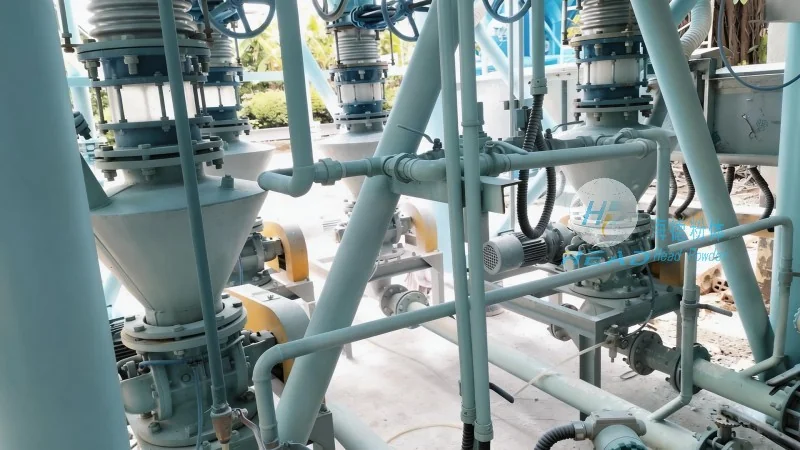
headpowder's approach involves a comprehensive understanding of the material's properties and the operational environment. This allows them to select the most suitable conveying method and equipment, whether it's a high-capacity screw conveyor for industrial production or a portable pneumatic system for field application. The company's commitment to quality and innovation ensures that their systems are efficient, durable, and compliant with industry standards.
By focusing on the principles of efficient material handling and the characteristics of different working scenarios, headpowder delivers solutions that enhance productivity and reduce operational costs for their clients. Their expertise in urea powder conveying reflects a deep understanding of the technology and its practical applications, making them a trusted partner in the fertilizer industry.




