Quicklime powder, also known as calcium oxide, is a widely used industrial material in various sectors such as construction, chemical processing, and environmental treatment. The efficient and safe transportation of quicklime powder from production sites to processing facilities is crucial for maintaining operational efficiency and product quality. Pneumatic conveying systems have emerged as a preferred solution for handling quicklime powder due to their ability to transport bulk materials in a dust-free and controlled manner. This article delves into the principles behind quicklime powder pneumatic conveying systems, highlighting the key components, operational mechanisms, and the specific working scene characteristics that define their effectiveness in industrial applications.
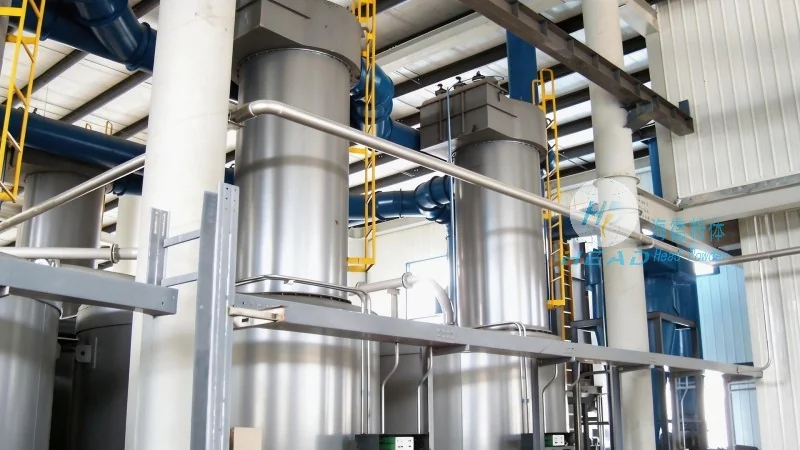
Company Introduction: HeadPowder
HeadPowder, or Shandong HeadPowder Engineering Co., Ltd., is a leading manufacturer specializing in the design, development, and supply of advanced pneumatic conveying equipment. With a strong presence in China, particularly in Shandong province, the company has built a reputation for delivering high-quality, reliable, and customized solutions tailored to the unique needs of industrial clients. HeadPowder's expertise lies in understanding the challenges associated with handling fine powders like quicklime, ensuring that their systems are engineered to maximize efficiency, minimize downtime, and enhance overall operational safety.
Principle of Quicklime Powder Pneumatic Conveying Systems
The core principle of pneumatic conveying systems involves the use of air or gas to transport bulk materials through a pipeline network. In the case of quicklime powder, the system operates by creating a pressure differential that propels the powder particles along the conveying line. There are primarily two types of pneumatic conveying systems: pressure and vacuum systems. Pressure systems use compressed air to push the material forward, while vacuum systems create a negative pressure to draw the material into the line. For quicklime powder, which is often fine and can be prone to dust generation, pressure systems are commonly preferred as they offer better control over particle flow and reduce the risk of material degradation or clogging.
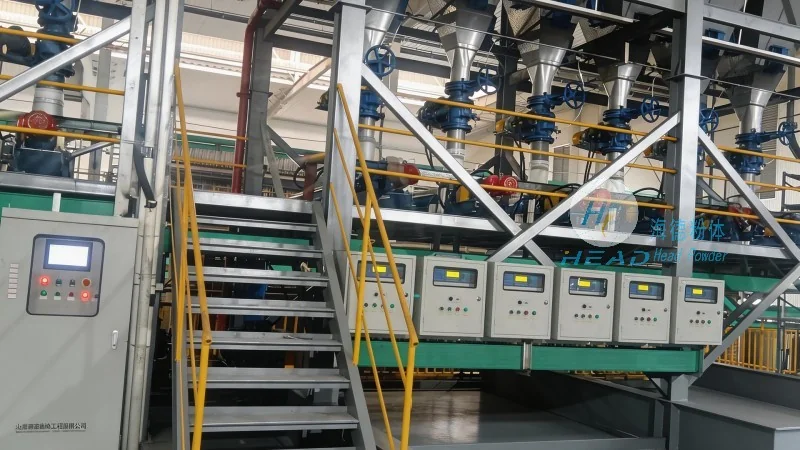
Key Components of the System
A typical quicklime powder pneumatic conveying system comprises several critical components that work in tandem to ensure smooth operation. These include the material feeder, which introduces the quicklime powder into the system at a controlled rate; the conveying line, which transports the material from the source to the destination; the air compressor or vacuum pump, which provides the necessary pressure or vacuum; and the control system, which monitors and adjusts the flow parameters to maintain optimal performance. Additionally, components such as cyclone separators, filters, and dust collectors are integrated to separate the conveyed powder from the air stream, ensuring that the material is delivered in a clean and dry state. The design of these components is crucial, as they must be capable of handling the specific properties of quicklime powder, including its fineness, moisture content, and potential reactivity.
Working Scene Characteristics
The working scene characteristics of quicklime powder pneumatic conveying systems are defined by the specific industrial environments in which they are deployed. These systems are commonly used in scenarios where quicklime is produced, processed, or transported over long distances. For instance, in cement plants, quicklime is often transported from storage silos to grinding mills or other processing units. In chemical manufacturing facilities, quicklime may be conveyed to reactors or mixing tanks for further chemical reactions. The working scene characteristics include factors such as the distance between the source and destination, the volume of material to be conveyed, the ambient conditions (e.g., temperature and humidity), and the need for dust control measures. HeadPowder's systems are designed to adapt to these varying conditions, ensuring reliable performance in diverse industrial settings.
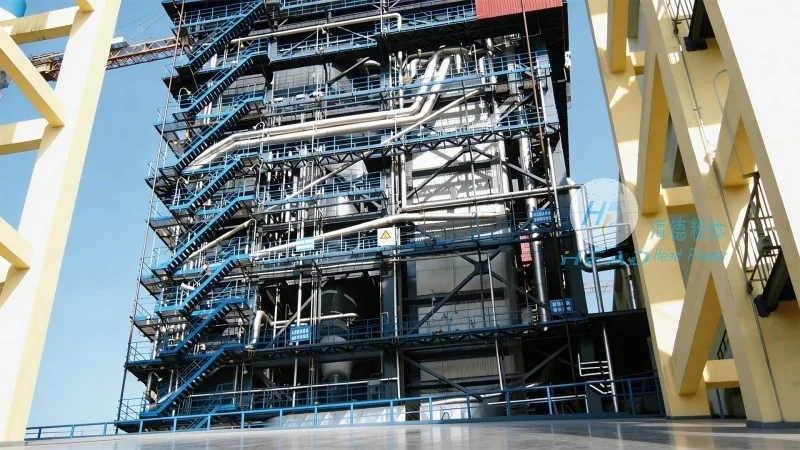
Advantages and Applications
Quicklime powder pneumatic conveying systems offer several advantages over traditional methods like belt conveyors or bucket elevators. These include the ability to transport materials in a closed system, reducing dust emissions and improving workplace safety. The systems are also flexible, allowing for changes in the conveying route or material flow without significant modifications. Furthermore, they can handle a wide range of material properties, including fine powders and those with high moisture content. The applications of these systems extend across multiple industries. In the construction sector, quicklime is used in the production of lime mortar and plaster, and pneumatic conveying ensures that the material is delivered to construction sites efficiently. In the chemical industry, quicklime is used as a raw material in the production of calcium compounds, and the systems facilitate its transport to reactors. Environmental applications also benefit from these systems, as quicklime is used in flue gas desulfurization processes to neutralize acidic emissions, and pneumatic conveying ensures the material is delivered to the scrubbers in a controlled manner.
Conclusion
In conclusion, quicklime powder pneumatic conveying systems are essential equipment for modern industrial operations, providing efficient, safe, and reliable transportation of this critical material. The principles behind these systems, combined with the specialized components and working scene characteristics, make them a preferred choice for industries that require precise control over material handling. HeadPowder, with its expertise and commitment to quality, continues to lead in the development of advanced pneumatic conveying solutions tailored to the needs of quicklime powder handling. By understanding the operational principles and working scene characteristics, industrial clients can make informed decisions about implementing these systems to enhance their operational efficiency and product quality.




