When it comes to managing wood fiber materials in industrial settings, the choice of a suitable pneumatic conveying system is critical. Wood fiber, often used in paper production, composite manufacturing, and other processing applications, presents unique challenges due to its lightweight, irregular shape, and tendency to generate dust. A well-designed gas conveying system not only ensures efficient material transport but also maintains product quality, reduces downtime, and enhances overall operational safety. This guide aims to help industrial operators and engineers navigate the key considerations when selecting a pneumatic conveying system tailored to their wood fiber handling needs.
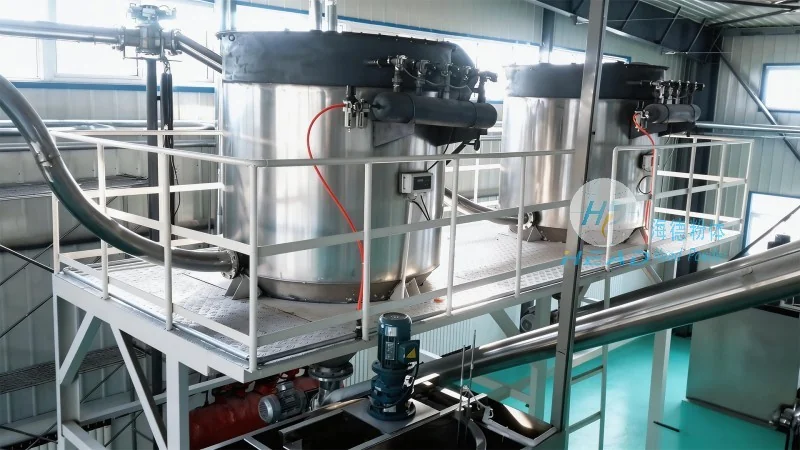
Understanding the Core Requirements for Wood Fiber Conveying
Before diving into specific system types, it's essential to understand the fundamental requirements that define an effective wood fiber conveying solution. First, the system must handle the material's physical properties, such as its bulk density, moisture content, and flowability. Wood fibers can vary widely in these characteristics, from soft, low-density pulp to denser, more fibrous materials, which influences the required air velocity and system pressure. Second, the conveying distance and layout of the facility play a crucial role. Whether the material needs to be transported short distances within a plant or over longer distances between buildings, the system's capacity and pressure capabilities must align with these spatial constraints. Third, operational considerations like maintenance ease, energy efficiency, and integration with existing equipment are vital. A system that is easy to clean, maintain, and operate can significantly reduce long-term costs and improve reliability. Finally, safety and environmental factors cannot be overlooked. Wood fibers can create dust that poses health risks, and the system must incorporate measures to control dust emissions and ensure safe operation.
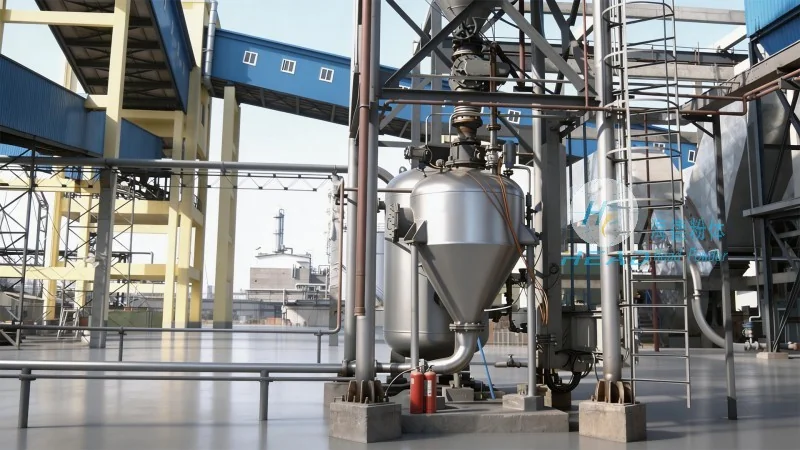
Key Factors in Choosing the Right Pneumatic Conveying System
Several key factors should guide the selection of a pneumatic conveying system for wood fiber applications. The primary distinction lies between positive pressure and negative pressure systems, each with its own advantages and suitability for different scenarios. Positive pressure systems, where air is blown into the material to move it, are generally more suitable for conveying wood fibers over longer distances or through complex piping networks. They offer higher pressure capabilities and can handle more abrasive or fibrous materials without excessive wear. Negative pressure systems, on the other hand, are often preferred for shorter conveying distances or when the material is to be collected from a hopper or storage area. They are typically more energy-efficient for shorter runs and can be less complex to install. Another critical factor is the system's capacity and flow rate. The required throughput, measured in tons per hour or cubic meters per hour, directly impacts the size of the air compressor, the diameter of the conveying lines, and the number of inlets and outlets. For high-volume applications, larger systems with higher air volumes and pressure are necessary to maintain consistent material flow. Additionally, the system's flexibility and adaptability to changing production demands are important. Many modern pneumatic conveying systems are designed with modular components that allow for easy expansion or reconfiguration as production needs evolve. This flexibility can save costs and improve operational efficiency over time.
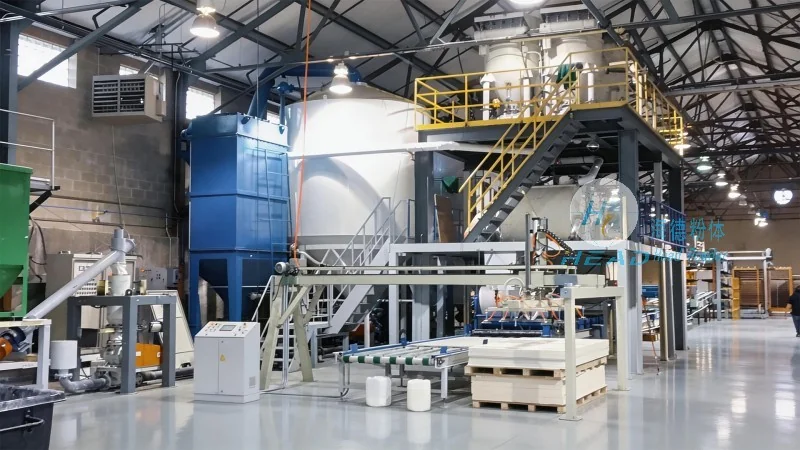
Components and Technologies for Wood Fiber Pneumatic Conveying
A pneumatic conveying system for wood fiber typically consists of several key components, each playing a vital role in the overall operation. The air compressor is the heart of the system, providing the necessary pressure and volume of air to move the material. For wood fiber applications, high-pressure, oil-free compressors are often preferred to avoid contaminating the material with oil residues. The compressor's capacity must be matched to the system's required air flow and pressure, ensuring consistent performance without overloading. The conveying lines, usually made of stainless steel or other corrosion-resistant materials, transport the material and air mixture. The diameter and length of the lines are critical, as they directly affect the system's pressure drop and overall efficiency. Properly sized lines minimize energy consumption and prevent material buildup or blockages. Inlet and outlet components, such as feeders and receivers, are essential for controlling the flow of material into and out of the system. Feeders, which can be rotary, vibratory, or screw types, ensure a consistent feed rate, preventing surges or gaps in material flow. Receivers, often equipped with dust collection systems, collect the conveyed material and separate it from the air stream. This separation is crucial for maintaining material quality and preventing dust emissions. Additionally, system controls and monitoring equipment are vital for optimizing performance and ensuring safety. Modern systems often include sensors to monitor pressure, flow, and temperature, providing real-time data that allows operators to adjust settings and prevent issues before they become problems. This level of monitoring enhances operational efficiency and reduces downtime.




