When it comes to managing the transportation of graphite electrodes in industrial settings, selecting the appropriate pneumatic conveying system is crucial for ensuring efficiency, safety, and material integrity. The choice of system directly impacts operational performance, maintenance requirements, and overall cost-effectiveness. This guide provides insights into key considerations that help in making an informed decision for your specific graphite electrode handling process.
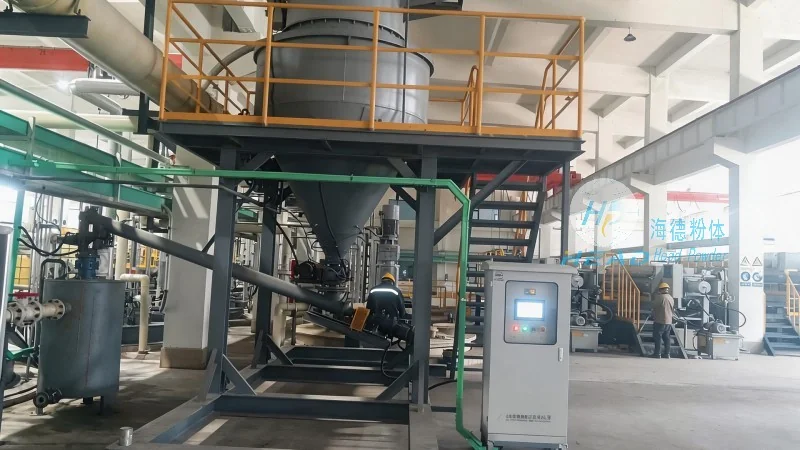
Understanding Graphite Electrode Characteristics and Their Impact on Conveying
Graphite electrodes are known for their high purity, electrical conductivity, and resistance to thermal shock. However, their handling presents unique challenges due to their fine, powdery nature when broken or processed. The material's dust generation potential, abrasive properties, and sensitivity to moisture make it essential to choose a conveying system that minimizes degradation and maintains product quality. Systems designed for handling abrasive or dusty materials often incorporate specialized components such as wear-resistant liners, efficient filtration, and controlled air flow to prevent material buildup and equipment damage.
Key Factors to Consider When Choosing a Pneumatic Conveying System
The selection process involves evaluating several critical factors tailored to the specific requirements of graphite electrode handling. These factors include the distance and layout of the conveying route, the required throughput capacity, the nature of the material (e.g., dry powder, broken pieces), and the desired level of automation. Additionally, the environmental considerations, such as dust control and compliance with industrial regulations, play a significant role in the system design. A thorough assessment of these aspects helps in identifying the most suitable system type—whether it's a positive pressure, negative pressure, or a hybrid approach—based on the operational constraints and material characteristics.
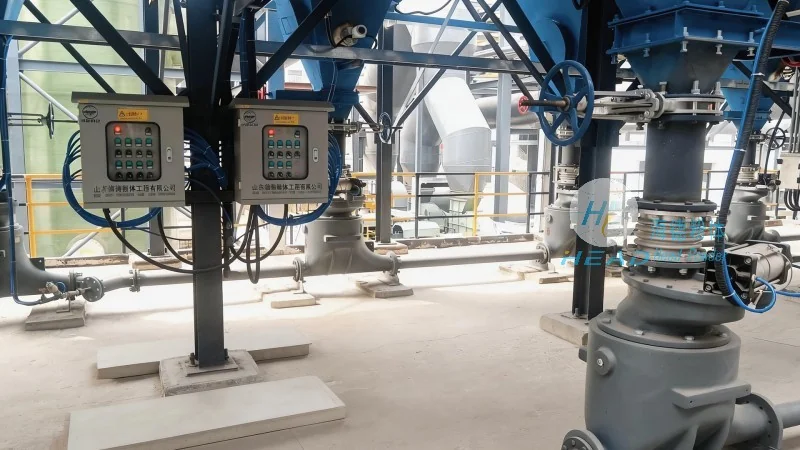
Types of Pneumatic Conveying Systems for Graphite Electrode Handling
There are primarily two main categories of pneumatic conveying systems: positive pressure and negative pressure. Positive pressure systems use compressed air to push material through the pipeline, while negative pressure systems use vacuum to draw material. For graphite electrodes, positive pressure systems are often preferred due to their ability to handle abrasive materials and provide consistent flow rates. These systems typically feature high-pressure blowers, flexible hoses, and robust piping that can withstand the wear from graphite dust. Negative pressure systems, on the other hand, are more suitable for applications requiring dust collection and environmental control, as they operate in a sealed environment that minimizes particle release.
Components and Design Considerations for Reliable Graphite Electrode Conveying
Effective pneumatic conveying of graphite electrodes relies on well-designed components that address the material's unique properties. Key components include high-efficiency blowers capable of delivering sufficient air volume and pressure, flexible hoses or rigid pipes with wear-resistant coatings to prevent material abrasion, and efficient separation and filtration systems to maintain air quality and prevent dust accumulation. The system design also considers the need for proper material feeding mechanisms, such as rotary valves or screw feeders, to ensure consistent material flow without blockages. Additionally, the inclusion of pressure relief valves and safety features is essential to protect the system from overpressure or vacuum-related hazards, ensuring safe and reliable operation.
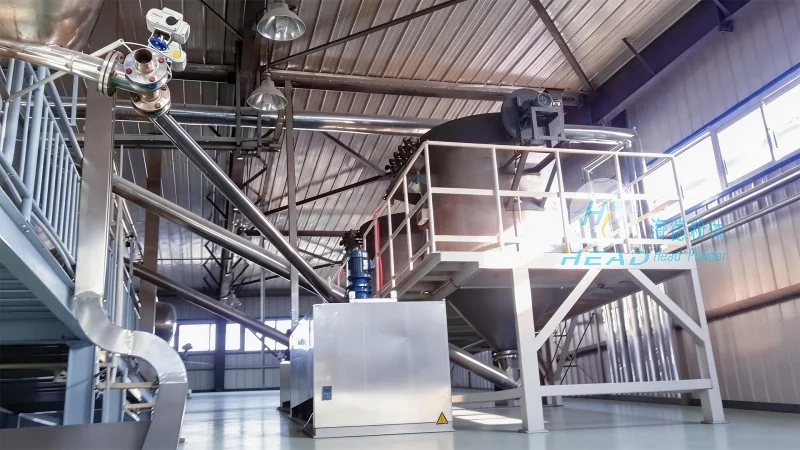
Customization and Integration with Existing Facilities
Many industrial facilities have existing infrastructure that may need to be integrated with a new pneumatic conveying system. Customization is often required to adapt the system to the specific layout, space constraints, and operational needs of the facility. This may involve modifying the pipeline layout, adjusting the blower capacity, or incorporating additional components such as silos or storage tanks. The ability to integrate seamlessly with existing equipment and processes is a key advantage of modern pneumatic conveying systems, allowing for minimal disruption to ongoing operations while enhancing material handling capabilities.
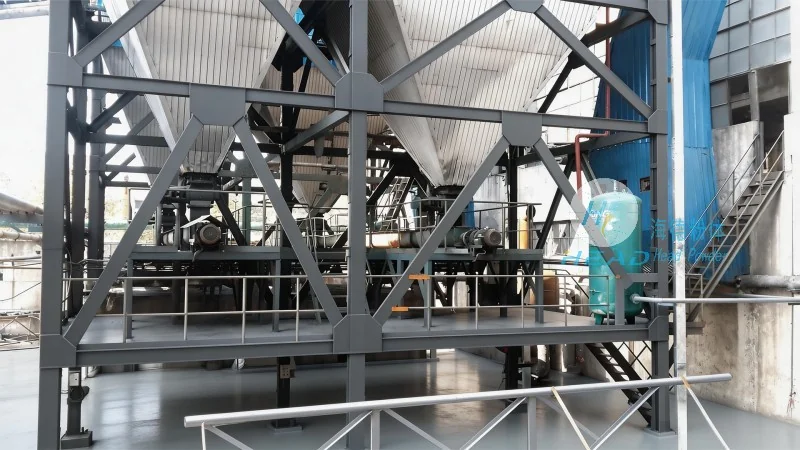
Maintenance and Long-Term Performance of Pneumatic Conveying Systems
Regular maintenance is crucial for ensuring the long-term performance and reliability of pneumatic conveying systems used for graphite electrodes. This includes routine checks of blower performance, inspection of wear parts, and cleaning of filtration systems to prevent clogging. The abrasive nature of graphite dust can lead to faster wear on components, so preventive maintenance schedules should be established to address potential issues before they impact system efficiency. Additionally, the use of high-quality materials and components designed specifically for handling abrasive materials can extend the system's lifespan and reduce downtime. Proper maintenance not only ensures optimal performance but also contributes to cost savings by minimizing repair and replacement costs over the system's operational life.
Conclusion: Making the Right Choice for Your Graphite Electrode Handling Process
Selecting the right pneumatic conveying system for graphite electrode handling requires a comprehensive understanding of the material's characteristics, operational requirements, and system capabilities. By considering factors such as material properties, conveying distance, throughput, and environmental regulations, industrial facilities can choose a system that maximizes efficiency, safety, and product quality. The expertise of companies like Shandong HeadPowder Engineering Co., Ltd., with their specialized knowledge in handling abrasive and dusty materials, can provide valuable guidance in designing and implementing an effective pneumatic conveying solution tailored to specific needs. Investing in the right system not only improves current operations but also supports long-term productivity and compliance in graphite electrode handling processes.




