When it comes to handling alumina hydroxide in industrial processes, selecting the appropriate pneumatic conveying system is a decision that impacts efficiency, safety, and overall operational costs. The unique properties of alumina hydroxide, such as its particle size, moisture content, and flow characteristics, require specialized equipment to ensure reliable and effective material transport. This article will guide you through the key considerations and steps to choose the right pneumatic conveying system for your alumina hydroxide handling process, with insights from industry experts at Shandong HeadPowder Engineering Co., Ltd., a leading provider in the field.
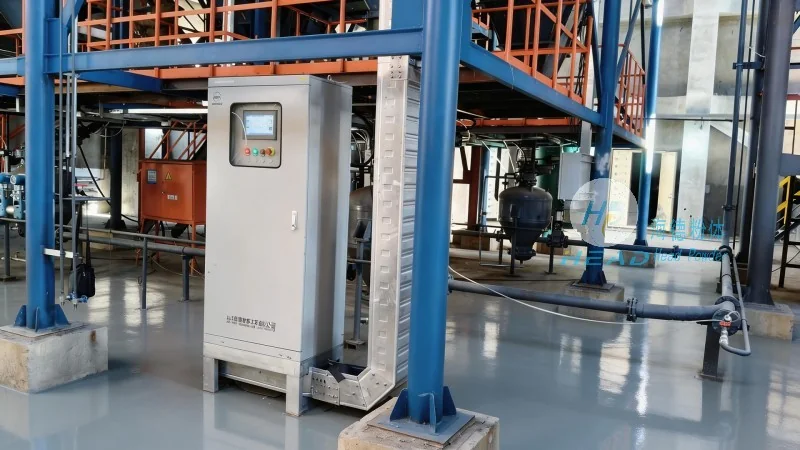
Characteristics of Alumina Hydroxide and Their Impact on Conveying
Alumina hydroxide, also known as aluminum hydroxide, is a white solid with a specific gravity around 2.4 and a Mohs hardness of 2-3. Its particle size distribution can vary widely, from fine powders to larger granules, depending on the production method. The moisture content is typically low to moderate, which affects how the material behaves during transport. These characteristics are crucial because they determine the type of pneumatic conveying system that will be most effective. For instance, fine powders may require high-pressure or dense-phase systems to prevent clogging and ensure smooth flow, while larger particles might benefit from low-pressure or dilute-phase systems. Understanding these properties is the first step in matching the right system to your process needs.
Types of Pneumatic Conveying Systems and Their Suitability for Alumina Hydroxide
There are primarily two types of pneumatic conveying systems: dilute-phase and dense-phase. Dilute-phase systems use low pressure and high air velocity to transport materials in a dispersed state, making them suitable for fine powders like alumina hydroxide. However, they may not be ideal for larger particles or materials that are prone to dust generation. Dense-phase systems, on the other hand, use higher pressure and lower air velocity to move material in a plug flow, which is more efficient for handling abrasive or cohesive materials. For alumina hydroxide, which can be both fine and have some cohesive properties, a combination or a system specifically designed for dense-phase operation might be preferable to avoid issues like pipeline blockages or material degradation. Shandong HeadPowder Engineering Co., Ltd. specializes in designing custom pneumatic conveying solutions that address these challenges, ensuring optimal performance for your specific alumina hydroxide application.
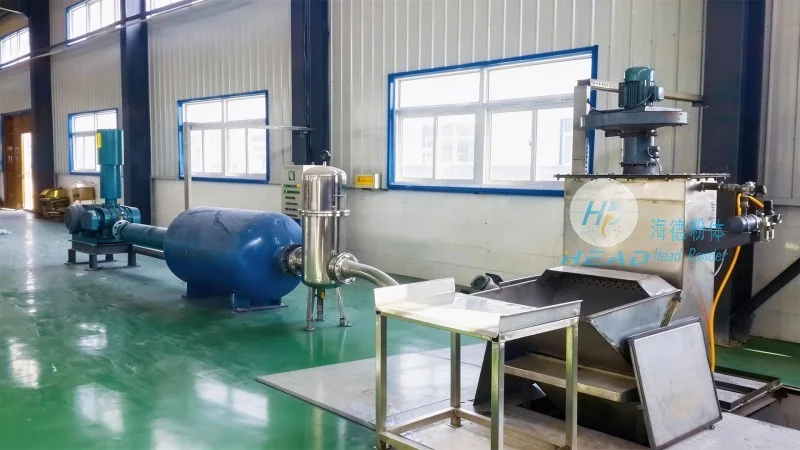
Key Design Considerations for Alumina Hydroxide Conveying Systems
Several factors must be considered when designing a pneumatic conveying system for alumina hydroxide. First, the system's capacity and flow rate must match the production requirements. Overloading the system can lead to pressure drops and reduced efficiency, while underloading may result in higher energy consumption. Second, the material's particle size and density affect the air-to-material ratio, which is critical for maintaining consistent flow. Third, the system's layout, including the number of bends, vertical lifts, and horizontal runs, impacts the overall pressure drop and energy usage. Additionally, the choice of materials for the conveying lines and components is essential, as alumina hydroxide can be abrasive and may cause wear over time. Shandong HeadPowder Engineering Co., Ltd. conducts thorough assessments of these factors to design systems that are not only efficient but also durable and low-maintenance, tailored to the unique demands of alumina hydroxide handling.
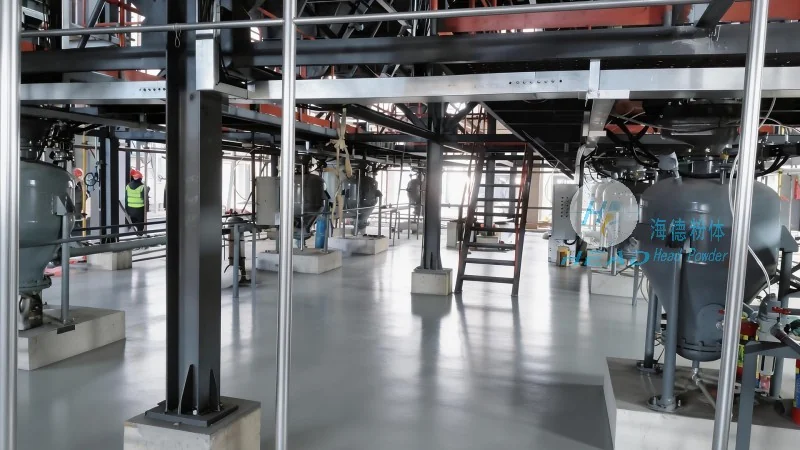
Installation and Maintenance Best Practices for Alumina Hydroxide Pneumatic Conveying Systems
Proper installation and regular maintenance are vital to ensure the longevity and reliability of a pneumatic conveying system for alumina hydroxide. During installation, it is important to ensure that all components are properly aligned and that the system is free from leaks, which can cause pressure loss and reduce conveying efficiency. The use of appropriate seals and gaskets is also crucial to prevent material leakage and contamination. Regular maintenance should include cleaning of filters, checking for wear on components, and monitoring pressure and flow rates. Shandong HeadPowder Engineering Co., Ltd. provides comprehensive support for system installation and maintenance, offering training to operators and maintenance personnel to ensure optimal performance. By following these best practices, you can maximize the lifespan of your system and minimize downtime, ensuring consistent and reliable alumina hydroxide transport in your process.
Partnering with Shandong HeadPowder Engineering Co., Ltd. for Your Alumina Hydroxide Conveying Needs
Choosing the right pneumatic conveying system for your alumina hydroxide handling process requires expertise and a deep understanding of both the material and the technology. Shandong HeadPowder Engineering Co., Ltd., based in Shandong, China, is a trusted partner in providing customized solutions that meet the specific needs of industrial clients. With years of experience in the field, the company's experts work closely with clients to assess their requirements, design and implement effective systems, and offer ongoing support. By selecting a system from Shandong HeadPowder Engineering Co., Ltd., you can ensure that your alumina hydroxide is transported efficiently, safely, and cost-effectively, contributing to the overall success of your operations. Whether you need a new system or an upgrade to an existing one, the company's commitment to quality and customer satisfaction makes it an ideal choice for your pneumatic conveying needs.




