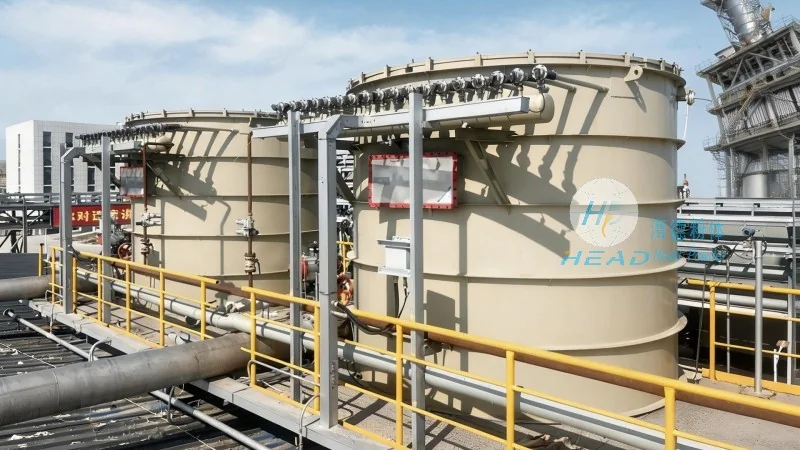
Calcium hydroxide powder, commonly known as slaked lime, is a widely used chemical in various industrial applications due to its alkaline properties and versatility. The efficient handling and transportation of this fine powder pose unique challenges, especially when dealing with its dustiness and hygroscopic nature. Pneumatic conveying systems have emerged as an effective solution for transporting calcium hydroxide powder from storage to processing units, blending, or packaging areas. This article explores the fundamental principles of pneumatic conveying systems designed for calcium hydroxide powder and highlights the key working scenario characteristics that make them suitable for different industrial environments.
Overview of Calcium Hydroxide Powder and Its Handling Challenges
Calcium hydroxide powder is a white, fine powder with a Mohs hardness of about 1.5, making it relatively soft and prone to generating dust during handling. Its hygroscopic property means it can absorb moisture from the air, leading to caking or clumping, which can obstruct pipelines and affect the performance of conveying equipment. Traditional methods like bucket elevators or belt conveyors may not be suitable for such fine, dusty materials as they can cause significant dust emissions and material loss. Pneumatic conveying systems offer a dust-free, enclosed solution that minimizes material degradation and environmental impact.
The Fundamental Principle of Pneumatic Conveying Systems
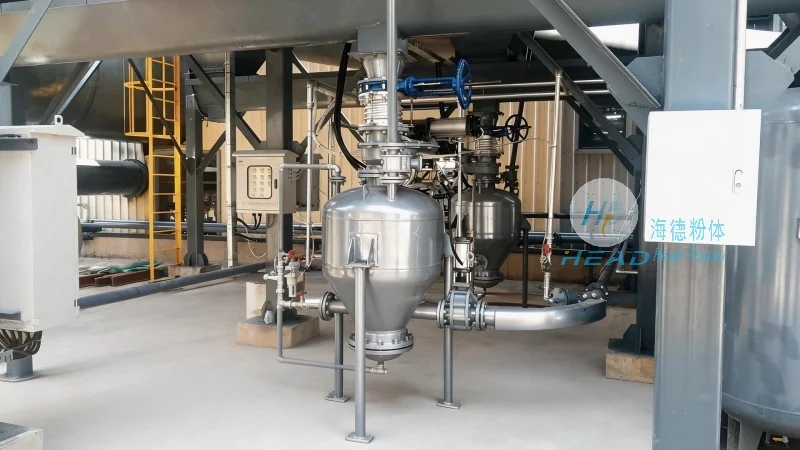
Pneumatic conveying systems operate on the principle of transporting bulk materials through a pipeline using a gas stream, typically air. The system consists of several key components: a material feeder, a conveying line, a gas source (usually a blower or compressor), and a discharge device. The material is fed into the pipeline, and the gas is introduced to create a flow that carries the powder particles forward. There are two main types of pneumatic conveying: pressure and vacuum systems. Pressure systems use positive pressure to push the material through the pipeline, while vacuum systems use negative pressure to pull the material from the source. For calcium hydroxide powder, which is light and fine, a pressure system is often preferred as it provides better control over the material flow and reduces the risk of blockages.
Key Working Scenario Characteristics of Calcium Hydroxide Powder Pneumatic Conveying Systems
The suitability of a pneumatic conveying system for calcium hydroxide powder depends on several working scenario characteristics that must be considered during system design and operation. These include:
- Material Properties and Flowability: The fineness and dustiness of calcium hydroxide powder require systems with low pressure drop and efficient separation of air from the material. The system must be designed to handle the material's tendency to agglomerate, ensuring consistent flow rates and preventing blockages.
- Environmental and Safety Requirements: Due to the dustiness of the powder, enclosed systems are essential to comply with environmental regulations and ensure worker safety. The system should incorporate dust collection and filtration to minimize emissions and maintain a clean working environment.
- Process Integration and Flexibility: In industrial settings, the conveying system often needs to integrate with other processes such as blending, mixing, or packaging. The system must be flexible enough to handle varying material flow rates and adjust to different process requirements without significant modifications.
- Energy Efficiency and Maintenance: The efficiency of the gas source and the design of the conveying line are critical factors affecting energy consumption. Regular maintenance of components like the feeder, blower, and filters is necessary to ensure long-term operation and minimize downtime.
Application Scenarios and Industry Use Cases
Pneumatic conveying systems for calcium hydroxide powder are widely used in various industries where the material is a key component. Some common application scenarios include:
- Environmental and Water Treatment: Calcium hydroxide is used in water treatment processes to adjust pH levels and neutralize acidic water. Pneumatic conveying systems efficiently transport the powder from storage to the treatment facilities, ensuring consistent dosing and minimal material loss.
- Construction and Building Materials: In the production of cement, plaster, and other building materials, calcium hydroxide is used as a raw material. The system helps in transporting the powder from raw material storage to the production line, maintaining quality and reducing dust exposure for workers.
- Food and Feed Industry: Although less common, calcium hydroxide is used in some food processing applications as a buffering agent. The enclosed pneumatic conveying system ensures that the material is handled hygienically and without contamination.
- Chemical Manufacturing: In chemical plants, calcium hydroxide is used in the production of other chemicals. The system provides a reliable method for transporting the powder to reactors and processing units, maintaining the integrity of the material.
Design Considerations for Optimal Performance
Designing an effective pneumatic conveying system for calcium hydroxide powder requires careful consideration of several factors to ensure optimal performance and longevity. Key design considerations include:
- Material Selection for Components: The components of the system, such as the feeder, pipeline, and filters, must be made of materials that are resistant to the alkaline nature of calcium hydroxide. Stainless steel or specialized plastics are commonly used to prevent corrosion and material degradation.
- System Sizing and Flow Rate Calculation: Proper sizing of the conveying line and gas source is crucial to achieve the desired flow rate without excessive pressure drop or energy consumption. The system must be designed to handle the specific characteristics of calcium hydroxide powder, including its density and particle size distribution.
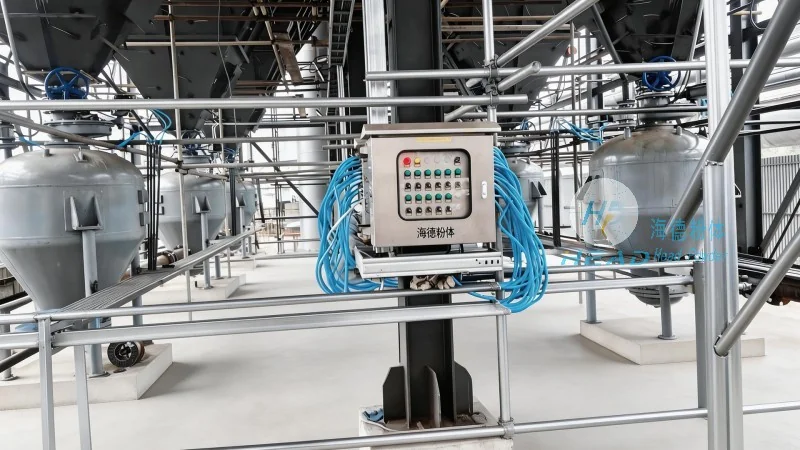
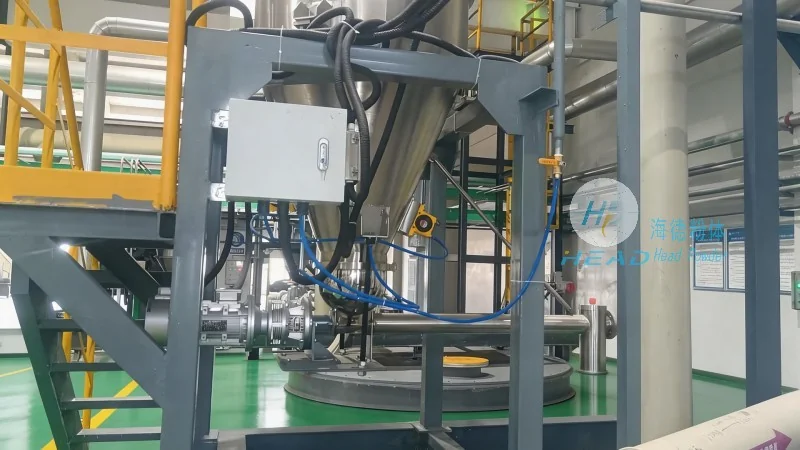
- Integration with Process Control: Modern pneumatic conveying systems often integrate with process control systems to monitor flow rates, pressure, and other parameters. This allows for real-time adjustments and ensures consistent material delivery to downstream processes.
- Maintenance and Cleaning Protocols: Regular maintenance and cleaning are essential to prevent clogging and maintain system efficiency. The system should include features like self-cleaning filters and easy access for maintenance personnel.
Conclusion
Pneumatic conveying systems represent a sophisticated and effective solution for the transportation of calcium hydroxide powder, addressing the unique challenges posed by its fine, dusty, and hygroscopic nature. By understanding the fundamental principles of pneumatic conveying and considering the key working scenario characteristics, industrial facilities can design and operate systems that ensure efficient, safe, and environmentally compliant material handling. The technology not only improves operational efficiency but also enhances worker safety and product quality, making it a preferred choice in various industries where calcium hydroxide is a critical component.




