Shandong HeadPowder Engineering Co., Ltd., a leading enterprise in the field of powder handling technology, specializes in the design, manufacturing, and application of advanced pneumatic conveying systems. This article focuses on the fundamental principles and operational characteristics of industrial salt powder pneumatic conveying systems, providing a comprehensive overview tailored for industry professionals seeking efficient material transport solutions.
Core Principles of Pneumatic Conveying for Industrial Salt
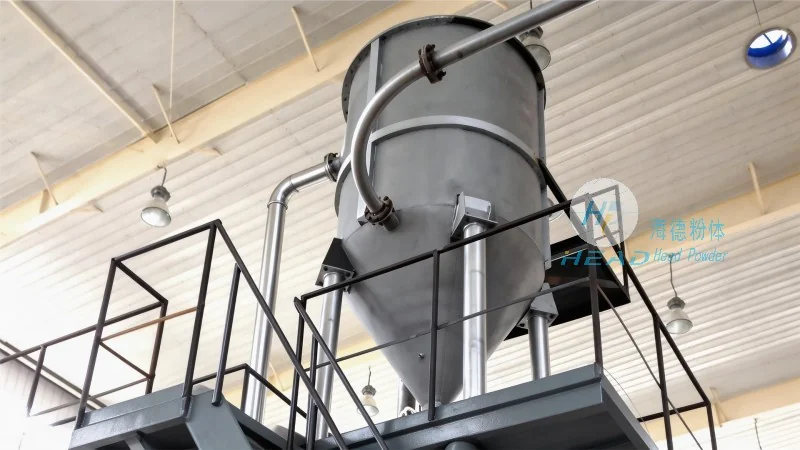
The pneumatic conveying system for industrial salt operates on the principle of transporting dry powder materials through a pipeline using compressed air. Unlike traditional mechanical conveying methods, this system relies on air pressure to move the material, offering advantages such as flexibility in layout, reduced equipment wear, and the ability to handle materials with high moisture content or sensitive properties. The system typically consists of several key components, including a hopper for material storage, a feeder to control the flow rate, a compressor to generate the necessary air pressure, and a pipeline network that transports the salt powder from the source to the destination. The air-salt mixture travels through the pipeline, with the compressed air providing the force to move the particles, while the hopper and feeder ensure a consistent and controlled feed rate to maintain system efficiency.
Key Working Scene Characteristics
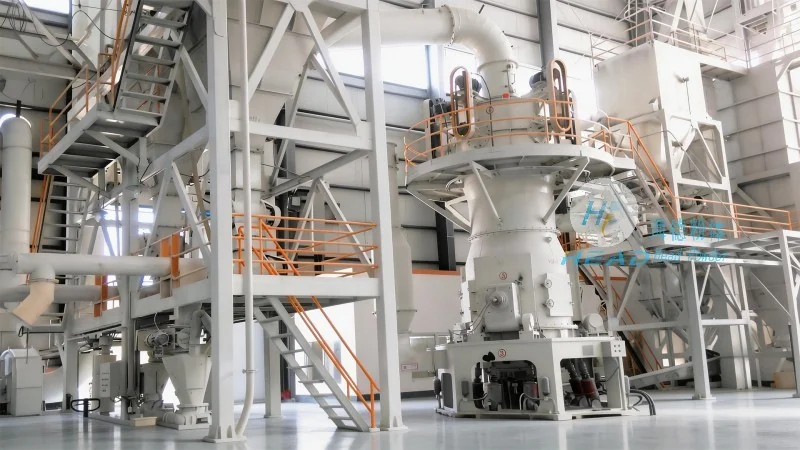
The working scene characteristics of industrial salt pneumatic conveying systems are tailored to meet the specific demands of salt processing and handling environments. These systems are commonly employed in scenarios where large volumes of salt need to be transported over significant distances, such as in salt production facilities, chemical processing plants, and food processing industries. The flexibility of the system allows for integration into existing production lines, enabling seamless material transfer between storage silos, processing units, and packaging areas. Additionally, the system's ability to handle varying salt particle sizes and moisture levels makes it suitable for diverse applications, from raw salt extraction to refined salt processing. The operational characteristics also include high efficiency in material transport, with minimal loss and contamination, which is crucial for maintaining product quality in industrial settings.
System Performance and Application Scenarios
When considering the application of industrial salt powder pneumatic conveying systems, several performance factors and specific working scenarios come into play. The system's capacity and pressure requirements are determined by the volume of salt to be transported and the distance between the source and destination. For example, in large-scale salt production plants, the system may need to handle thousands of tons of salt per day, requiring high-capacity compressors and robust pipeline networks. The working scene characteristics also include the need for dust control and environmental compliance, as salt dust can be a health hazard and require proper ventilation and filtration systems. Furthermore, the system's adaptability to different salt types, such as table salt, industrial salt, or de-icing salt, ensures its versatility across various industries. The operational efficiency of the system, measured by the conveying rate and energy consumption, is a critical factor in selecting the appropriate equipment for specific applications.
Advantages and Considerations in Industrial Salt Handling
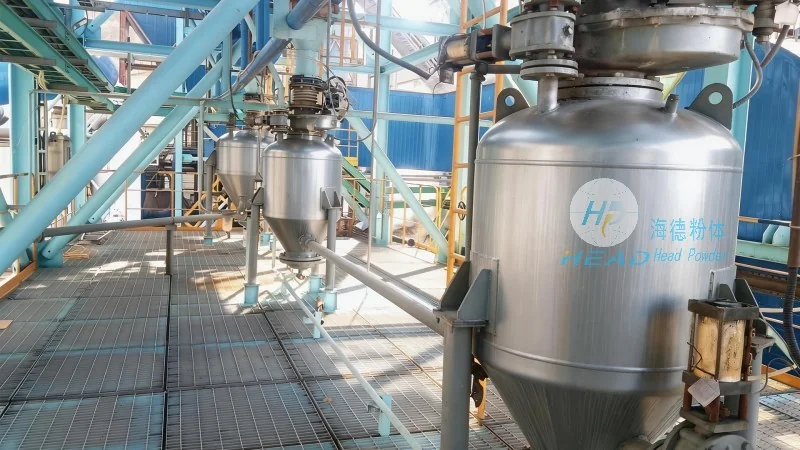
Implementing industrial salt powder pneumatic conveying systems offers several advantages over traditional methods. The primary benefit is the reduction in labor costs and operational time, as the system automates the material transport process, minimizing manual handling and potential errors. Additionally, the system enhances safety by reducing the risk of accidents associated with manual handling of bulk materials. From an environmental perspective, the enclosed pipeline system minimizes dust emissions and contamination, contributing to a cleaner working environment. However, there are considerations to keep in mind, such as the initial investment cost, which may be higher than mechanical conveying systems, and the need for regular maintenance of the compressor and pipeline components to ensure optimal performance. The system's reliability and durability are also important factors, as any downtime can impact production schedules and efficiency.




