Quicklime powder, also known as calcium oxide (CaO), is a vital industrial material used across sectors including cement production, chemical manufacturing, and metallurgy. The efficient and safe transportation of quicklime powder from storage to processing units is essential for maintaining production efficiency and ensuring operational safety. Pneumatic conveying systems have become the preferred method for handling quicklime powder due to their ability to transport powders in a dust-free environment, reduce material degradation, and minimize operational risks. This article delves into the fundamental principles behind quicklime powder pneumatic conveying systems and highlights the key characteristics of their working scenes.
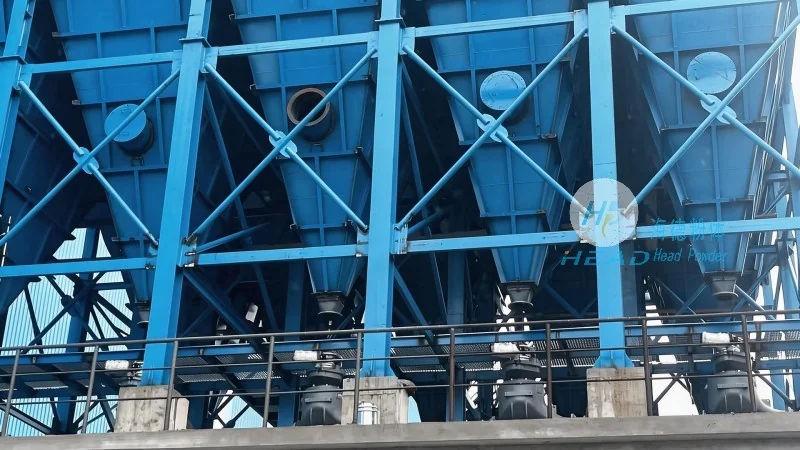
Principle of Pneumatic Conveying for Quicklime Powder
The core principle of pneumatic conveying systems is to transport bulk materials through a pipeline using a gas stream, typically air. For quicklime powder, the system operates by creating a flow of air that carries the powder particles through the pipeline. There are two main types of pneumatic conveying systems: positive pressure and negative pressure (or vacuum) systems. Positive pressure systems utilize a blower to generate air pressure that pushes the material through the pipeline, while negative pressure systems employ a vacuum pump to create a suction effect that draws the material into the pipeline.
In the context of quicklime powder, the choice of system type depends on factors such as the distance of transport, the material's properties (e.g., particle size, moisture content, and flowability), and the required conveying capacity. Quicklime powder is often hygroscopic and can absorb moisture from the air, which may affect its flow characteristics. Therefore, the system design must consider moisture control measures, such as using dry air and sealing the pipeline to prevent moisture ingress. Additionally, quicklime powder is prone to caking and agglomeration, which can cause blockages in the pipeline. To mitigate this, the system may incorporate features like rotary valves, air locks, and vibration devices to break up agglomerates and ensure smooth material flow.
Working Scene Characteristics of Quicklime Powder Pneumatic Conveying Systems
The working scene characteristics of quicklime powder pneumatic conveying systems vary based on the specific industrial application and the scale of operation. In cement plants, for example, quicklime powder is commonly used as a raw material in the clinker production process. The conveying system must be capable of transporting large quantities of quicklime powder from storage silos to the kiln feeders. The system design in this scenario typically involves a positive pressure system with multiple pipeline branches to distribute the material to different processing units. The pipeline is usually made of stainless steel or other corrosion-resistant materials to withstand the chemical properties of quicklime powder.
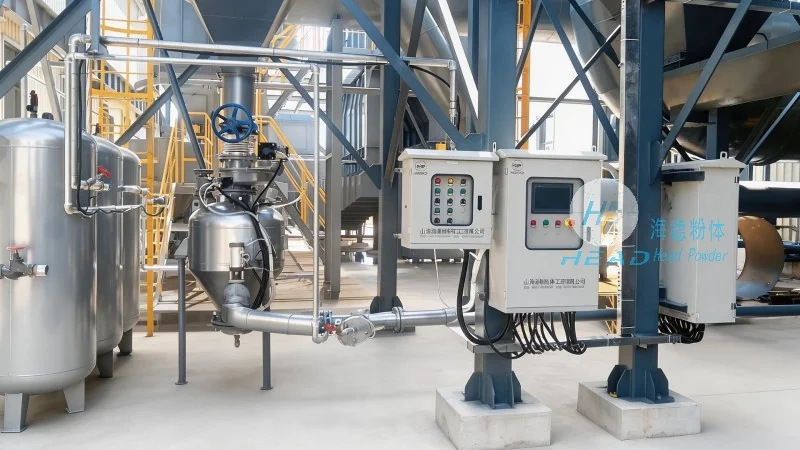
In chemical manufacturing facilities, quicklime powder is utilized in processes such as flue gas desulfurization and water treatment. The conveying system in these applications may need to handle quicklime powder with varying moisture content and particle sizes. The system may incorporate dust collection and filtration systems to comply with environmental regulations. The working scene may also involve the integration of quicklime powder with other chemicals, requiring precise control of the material flow to avoid reactions or contamination.
In metallurgical industries, quicklime powder is used as a flux in steelmaking and as a reagent in metal refining processes. The conveying system in these applications may need to handle high-temperature environments and abrasive materials. The system components, such as the pipeline and valves, are designed to withstand high temperatures and wear. The working scene may also involve the need for quicklime powder to be delivered to multiple points in the production line, requiring a flexible and scalable system design.
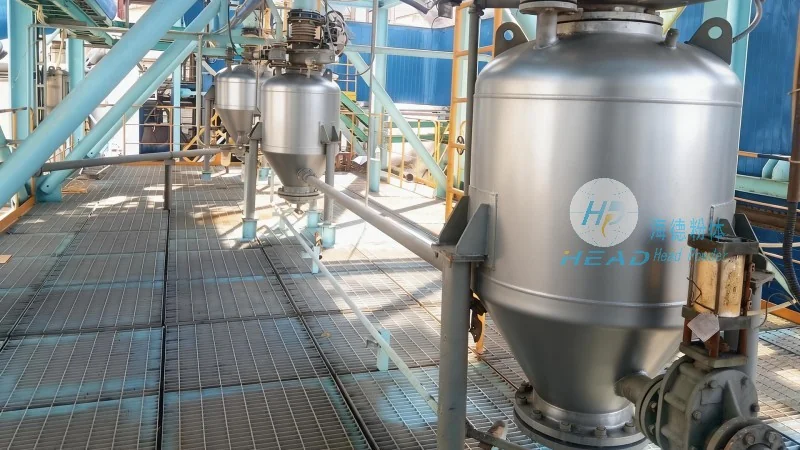
Key Features and Advantages of Quicklime Powder Pneumatic Conveying Systems
HeadPowder Engineering Co., Ltd., a leading provider of bulk material handling solutions, specializes in designing and manufacturing customized quicklime powder pneumatic conveying systems. The company's expertise lies in understanding the unique challenges of handling quicklime powder and developing systems that address these challenges effectively. By leveraging advanced technology and engineering expertise, HeadPowder ensures that its systems deliver high efficiency, reliability, and safety in various industrial applications.
Quicklime powder pneumatic conveying systems offer several advantages over traditional methods like bucket elevators or belt conveyors. One of the primary advantages is the ability to transport materials in a dust-free environment, which improves workplace safety and reduces the risk of dust explosions. The system also minimizes material degradation by preventing contact with air and moisture, which is critical for maintaining the quality of quicklime powder. Additionally, pneumatic conveying systems are more flexible in terms of layout and can be easily integrated with existing production lines.
Another key feature is the ability to handle a wide range of material properties, including different particle sizes, moisture contents, and flowabilities. The system can be customized to meet the specific requirements of each application, ensuring optimal performance. The use of positive pressure systems allows for higher conveying capacities and longer distances compared to negative pressure systems, making them suitable for large-scale industrial operations.




