Alumina crystal powder, a crucial material in various industrial applications, often requires efficient and reliable transportation methods to ensure smooth production processes. Pneumatic conveying stands out as a sophisticated solution for handling such powders, offering advantages in terms of safety, cleanliness, and operational flexibility. This article delves into the working principle and key characteristics of pneumatic conveying systems specifically designed for alumina crystal powders, providing insights into how these systems enhance material handling efficiency.
Understanding the Working Principle of Pneumatic Conveying for Alumina Crystal Powder
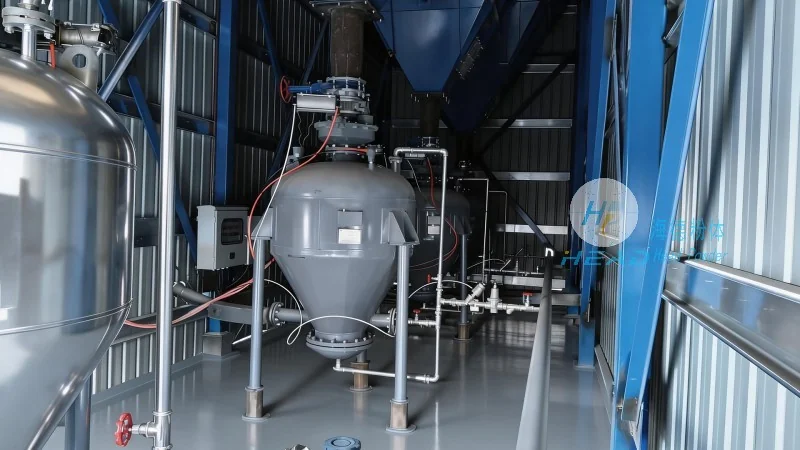
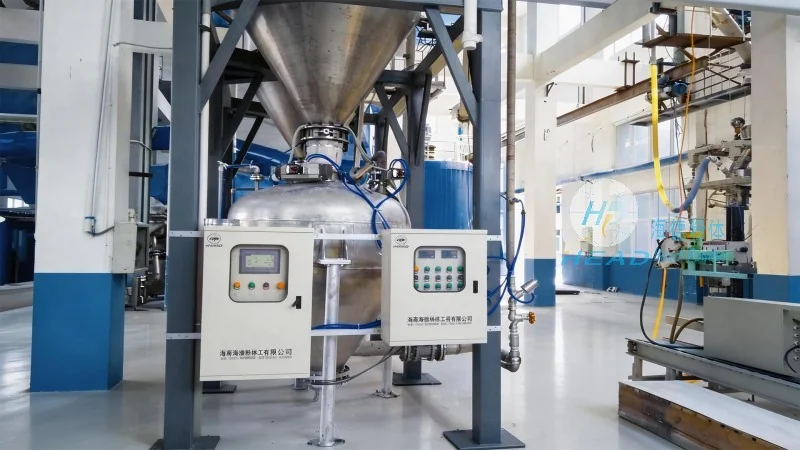
The core of pneumatic conveying for alumina crystal powder lies in the use of compressed air to transport the powder through a pipeline system. The process typically involves several key components, including a hopper for material storage, a feeder to control the flow rate, a compressor to generate the necessary air pressure, and a pipeline network that guides the powder from the source to the destination. The working principle can be categorized into two main types: dilute-phase and dense-phase conveying, each with distinct operational characteristics.
In dilute-phase pneumatic conveying, the powder is suspended in the air stream as a fine mist, allowing for high-velocity transport over longer distances. This method is suitable for lighter powders and applications where high throughput is required. The system operates by drawing air and powder into the pipeline, where the powder particles are entrained by the air flow and transported to the receiving hopper. The air is then filtered and recycled, ensuring minimal material loss and environmental compliance.
Conversely, dense-phase pneumatic conveying involves a slower, more controlled flow, where the powder is conveyed in a more compact form, often with a higher solids concentration. This approach is ideal for handling delicate or abrasive materials like alumina crystals, as it reduces the risk of particle degradation and equipment wear. The system typically uses a lower air velocity and a higher pressure, which helps maintain the integrity of the powder particles during transport.
Key Characteristics of Pneumatic Conveying Systems for Alumina Crystal Powder
Several distinct characteristics define the effectiveness of pneumatic conveying systems for alumina crystal powder, making them a preferred choice in many industries. First, the system provides a dust-free and enclosed environment, which is critical for maintaining product purity and preventing contamination. Unlike traditional bulk handling methods, such as bucket elevators or belt conveyors, pneumatic conveying eliminates the risk of dust exposure, ensuring compliance with occupational health and safety regulations.
Second, the flexibility of pneumatic conveying systems allows for easy integration into existing production lines. The pipeline network can be configured to accommodate multiple source and destination points, enabling the transport of powder from various locations within a facility. This adaptability is particularly valuable in complex manufacturing environments where space constraints and operational changes are common.
Third, the system offers high efficiency in terms of material handling, with the ability to transport large quantities of alumina crystal powder over significant distances with minimal energy consumption. The use of compressed air as the primary transport medium reduces the need for mechanical components like belts or chains, which can wear out over time and require frequent maintenance. This not only lowers operational costs but also increases the overall reliability of the system.
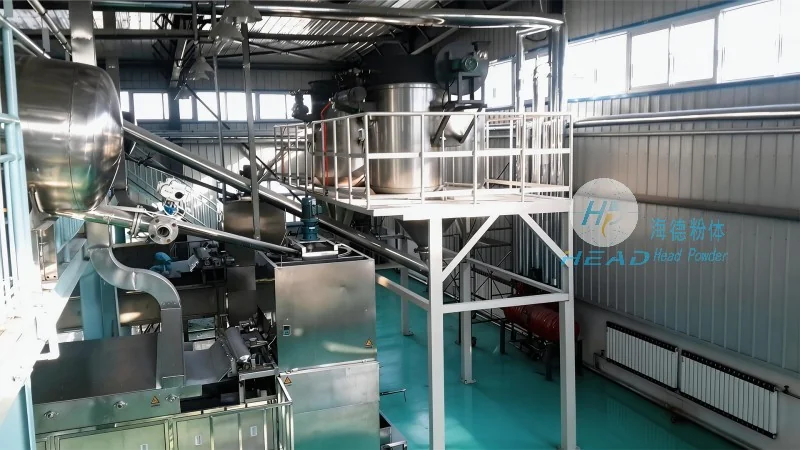
Fourth, the safety features of pneumatic conveying systems are a significant advantage, especially when handling potentially hazardous materials. The enclosed pipeline design prevents dust explosions and reduces the risk of material spillage or leakage. Additionally, the system can be equipped with safety valves and pressure relief mechanisms to protect against over-pressurization, ensuring a secure working environment for operators.
Applications and Benefits in Industrial Settings
The advantages of pneumatic conveying for alumina crystal powder are evident in various industrial applications, including the production of ceramics, refractory materials, and high-purity chemicals. In the ceramics industry, for example, alumina crystals are used as a key raw material for manufacturing high-strength ceramic products. Pneumatic conveying systems enable the efficient transport of these crystals from storage silos to mixing and processing equipment, ensuring consistent quality and reducing downtime.
In the refractory industry, the handling of alumina powders is critical for producing high-temperature resistant materials. The ability of pneumatic conveying systems to maintain the purity and particle size distribution of the powder is essential for achieving the desired mechanical properties of the final products. The controlled transport process minimizes particle agglomeration and degradation, which can affect the performance of refractory materials.
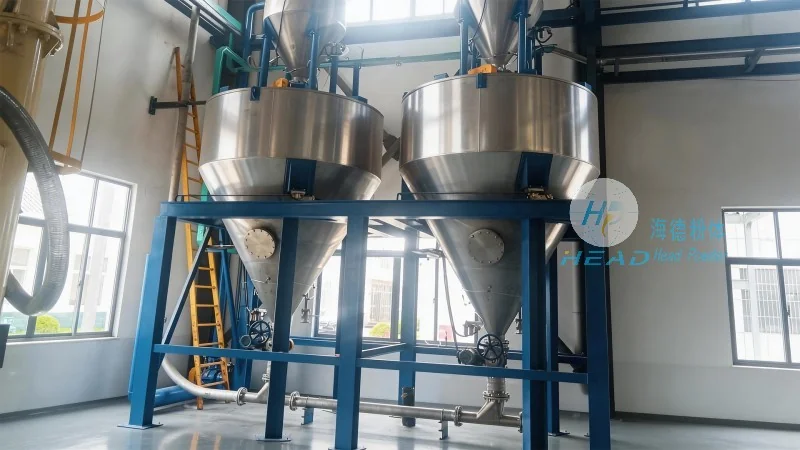
Furthermore, the environmental benefits of pneumatic conveying systems are noteworthy. By eliminating the need for open-air handling, the system reduces the environmental impact of dust emissions, contributing to a cleaner and more sustainable industrial operation. This is particularly important in regions with strict environmental regulations, where compliance is a top priority for businesses.
Conclusion and Company Overview
Pneumatic conveying represents a highly effective and efficient method for transporting alumina crystal powder, offering a range of benefits that enhance operational performance and product quality. The working principle, which relies on compressed air to move the powder through a pipeline system, is adaptable to different operational needs, whether for high-speed transport or delicate material handling. The key characteristics of these systems, including dust-free operation, flexibility, and high efficiency, make them a preferred choice in various industrial sectors.
Shandong HeadPowder Engineering Co., Ltd., a leading provider of material handling solutions, specializes in designing and manufacturing pneumatic conveying systems tailored to the specific requirements of alumina crystal powder applications. With a focus on innovation and quality, the company ensures that its systems meet the highest standards of performance and reliability. HeadPowder's expertise in material handling technology, combined with its commitment to customer satisfaction, makes it a trusted partner for businesses seeking to optimize their alumina crystal powder transportation processes.




