Monocrystalline silicon powder pneumatic conveying is a critical technology in material handling, particularly for high-purity silicon powders used in semiconductor manufacturing and solar energy applications. This method involves transporting fine powder particles through a pipeline using a gas stream, typically air or other inert gases. The process is essential for maintaining the purity and integrity of silicon powders, which are vital for producing high-quality solar cells and electronic components.
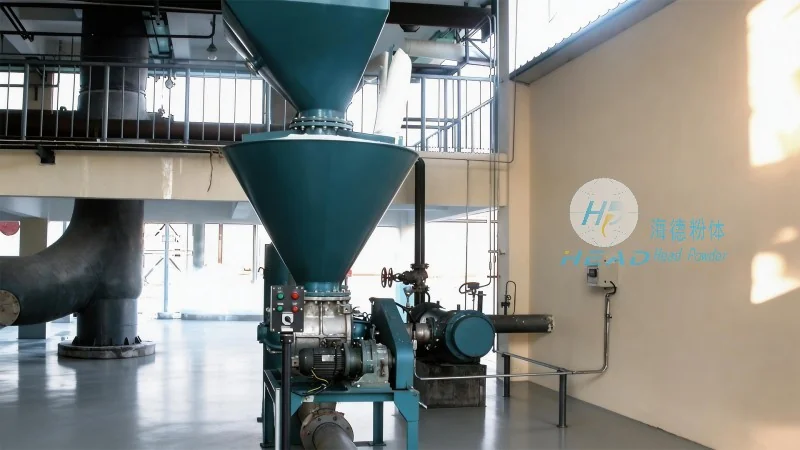
Working Principle of Monocrystalline Silicon Powder Pneumatic Conveying
The working principle of monocrystalline silicon powder pneumatic conveying centers on the use of a pressurized or vacuum system to move powder particles. The system typically comprises several key components: a feeding device, a conveying pipeline, a separation device, and a gas source. The feeding device, such as a rotary valve or a hopper with a feeder, introduces the silicon powder into the system. The gas, often compressed air, is then introduced into the feeding device, creating a mixture of powder and gas. This mixture is then transported through the pipeline under pressure or suction. The separation device, like a cyclone or a bag filter, separates the powder from the gas. The separated powder is collected in a hopper or storage tank, while the gas is either recycled back into the system or vented to the atmosphere. The entire process is designed to ensure efficient transport with minimal contamination, which is crucial for applications where even trace impurities can affect device performance.
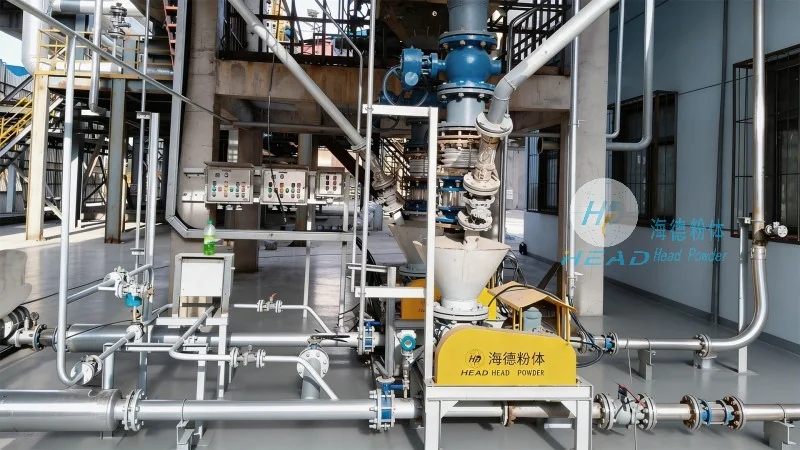
Detailed Process of Monocrystalline Silicon Powder Pneumatic Conveying
For monocrystalline silicon powders, which are typically fine and have high surface area, the conveying process requires careful control of gas velocity and flow rate. The system can operate in either dilute or dense phase modes. In dilute phase conveying, the powder is suspended in the gas stream, while in dense phase conveying, the powder forms a slurry-like mixture with the gas. The choice between these modes depends on the particle size, density, and the required transport distance. Suction conveying systems create a negative pressure at the inlet, drawing the powder and gas mixture into the pipeline, making them suitable for short to medium distances or when the material needs to be collected from a source. Pressure conveying systems use a positive pressure at the discharge end, pushing the powder and gas mixture through the pipeline, which is ideal for long-distance transport or when the material needs to be delivered to a specific destination. The feeding device ensures a consistent flow of powder, while the gas is introduced at a controlled pressure and flow rate to prevent particle degradation or agglomeration. The separation device removes the powder from the gas stream, and the gas is managed to maintain system efficiency and environmental compliance.
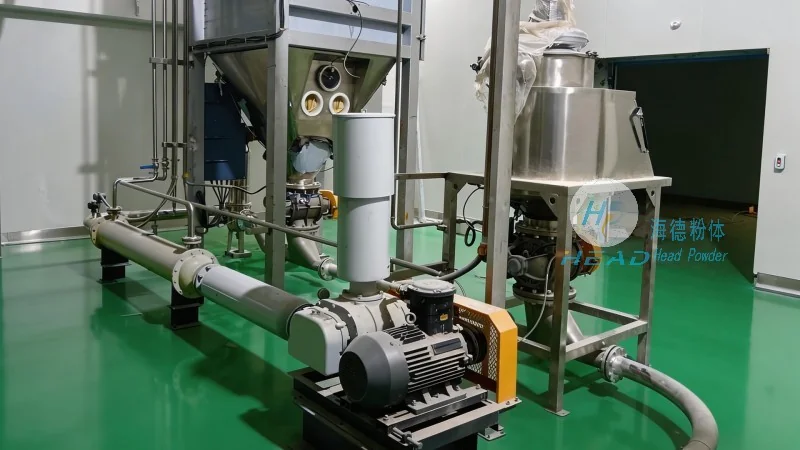
Key Characteristics of Monocrystalline Silicon Powder Pneumatic Conveying Systems
Monocrystalline silicon powder pneumatic conveying systems offer several distinct advantages that make them ideal for high-purity applications. One primary advantage is their high efficiency in material transport, capable of moving large volumes of powder over significant distances with minimal energy consumption. The systems are also highly flexible, as they can be configured to handle different particle sizes, flow rates, and system pressures, allowing integration into various production lines from raw material handling to final product packaging. Another key characteristic is their environmental benefits, as they significantly reduce dust emissions compared to traditional bulk handling methods like bucket elevators or belt conveyors. The enclosed pipeline system prevents dust from escaping into the environment, contributing to a cleaner and safer working environment. Additionally, the systems are relatively compact, requiring less floor space than other bulk handling solutions, which is particularly beneficial in facilities with limited space. The use of high-purity materials and components in the system ensures that the monocrystalline silicon powder remains uncontaminated during transport. This is critical because even trace amounts of impurities can alter the electrical properties of the silicon, affecting the performance of solar cells or semiconductor devices. The systems also offer better control over the powder flow, reducing the risk of clogging or blockages in the pipeline. This is achieved through specialized feeding devices and pressure control systems that maintain a consistent flow rate. Furthermore, the maintenance of pneumatic conveying systems is generally straightforward, with regular checks on the separation equipment and pipeline integrity ensuring long-term reliability. Overall, these characteristics make monocrystalline silicon powder pneumatic conveying an ideal solution for industries that require high-purity, efficient, and environmentally friendly material handling.




