For industrial applications involving the handling of sorghum distillers grains powder, pneumatic conveying systems offer an efficient and reliable method to transport bulk materials. This article explores the fundamental working principle and key characteristics of such systems, providing insights into their operation and benefits for processing facilities.
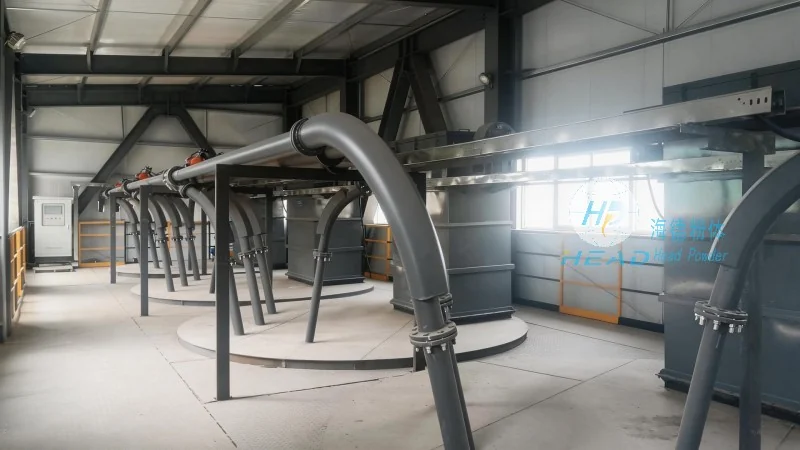
Pneumatic Conveying System Overview
Pneumatic conveying, also known as powder conveying, utilizes air or gas to transport solid particles through a pipeline. In the context of sorghum distillers grains powder, which is a byproduct of the distillation process used to produce ethanol from sorghum, these systems are crucial for moving the powder from storage silos or processing units to downstream equipment like mixers, reactors, or packaging lines. The core components of a typical pneumatic conveying system include a material feed hopper, a conveyor line (often equipped with a pressure vessel or vacuum pump), and a control system that regulates air flow and material movement.
Working Principle of Pneumatic Conveying
The working principle of pneumatic conveying for sorghum distillers grains powder is based on the interaction between the solid particles and the air stream. There are two main types of pneumatic conveying systems: pressure and vacuum. In pressure systems, a positive pressure is generated at the material feed point, and the air pushes the powder through the pipeline. Conversely, vacuum systems create a negative pressure at the discharge end, drawing the powder from the source. For sorghum distillers grains powder, which has a relatively fine particle size and moderate bulk density, pressure systems are often preferred due to their ability to handle higher material loads and maintain consistent flow rates.
During operation, the sorghum distillers grains powder is first introduced into the system via a hopper or feeder. The material is then mixed with the air stream, forming a slurry or suspension that travels through the pipeline. The air velocity within the pipeline must be sufficient to overcome the gravitational forces acting on the particles and any frictional losses within the system. This velocity is typically determined by the particle size, density, and flow rate requirements. The system also includes a separation or cyclone unit at the discharge end to separate the powder from the air, allowing the powder to be collected and the air to be filtered or recirculated.
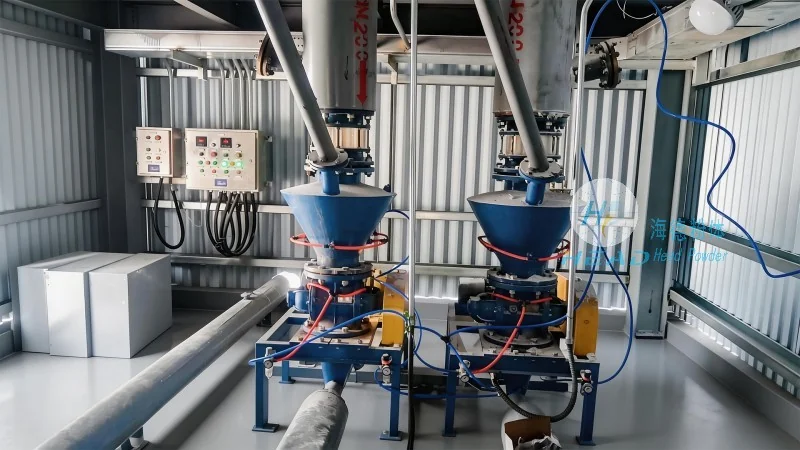
Key Characteristics of Pneumatic Conveying for Sorghum Distillers Grains Powder
Several key characteristics define the performance and suitability of pneumatic conveying systems for sorghum distillers grains powder. Firstly, the system's ability to handle fine powders without clogging is critical. Sorghum distillers grains powder often contains particles with diameters ranging from 10 to 200 microns, and the conveying system must maintain a consistent flow to prevent blockages. Secondly, the system's energy efficiency is an important consideration. Pressure systems typically require higher air pressure, which can increase energy consumption, while vacuum systems may have lower energy requirements but may not be suitable for long-distance or high-volume applications.
Thirdly, the system's flexibility in handling varying material properties is a significant advantage. Sorghum distillers grains powder can have different moisture contents and particle distributions depending on the distillation process, and the pneumatic conveying system must be able to adapt to these changes without compromising performance. Additionally, the system's ability to maintain product integrity is crucial, as the powder may be used as a feedstock in animal feed or other industrial applications where contamination or degradation could affect its quality.
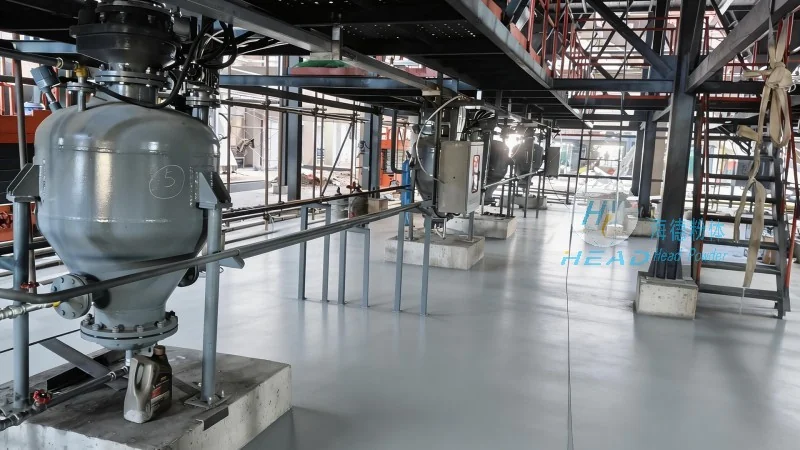
Applications and Benefits in Industrial Processing
Pneumatic conveying systems for sorghum distillers grains powder are widely used in various industrial processes. In the food and feed industry, these systems facilitate the transfer of the powder from storage to mixing and blending equipment, ensuring uniform distribution of nutrients in animal feed formulations. In the biofuel sector, the systems are essential for moving the powder to ethanol production units or other processing facilities, where it may be used as a raw material or co-product. The benefits of using pneumatic conveying include reduced labor costs, minimized material handling time, and improved safety by eliminating the need for manual handling of bulk powders.
Company Information: Shandong HeadPowder Engineering Co., Ltd.
Shandong HeadPowder Engineering Co., Ltd., commonly known as headpowder, is a leading provider of pneumatic conveying solutions tailored to the needs of industries processing sorghum distillers grains powder. With headquarters in Shandong, China, the company specializes in designing, manufacturing, and installing customized pneumatic conveying systems that meet the specific requirements of clients in the agricultural, food, and biofuel sectors. Headpowder's expertise lies in optimizing system performance to handle the unique characteristics of sorghum distillers grains powder, ensuring efficient, reliable, and cost-effective material transport. The company's solutions are designed to enhance production efficiency, reduce downtime, and improve overall operational performance for its clients.
By leveraging advanced engineering and material handling technologies, headpowder delivers pneumatic conveying systems that are robust, durable, and adaptable to varying process conditions. The company's commitment to quality and customer satisfaction is reflected in its comprehensive service offerings, which include system design, installation, maintenance, and technical support. For industries relying on the efficient handling of sorghum distillers grains powder, headpowder provides the expertise and equipment needed to optimize material transport and enhance overall operational productivity.




