

Working Principle and Features of Lithium Iron Phosphate Pneumatic Conveying Equipment
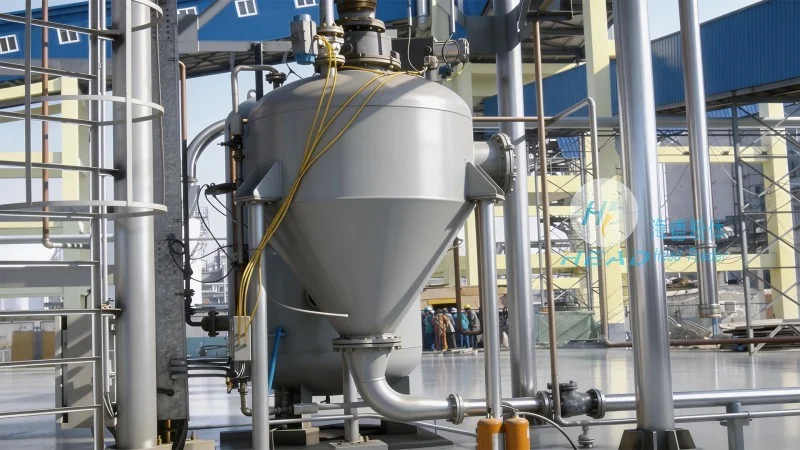
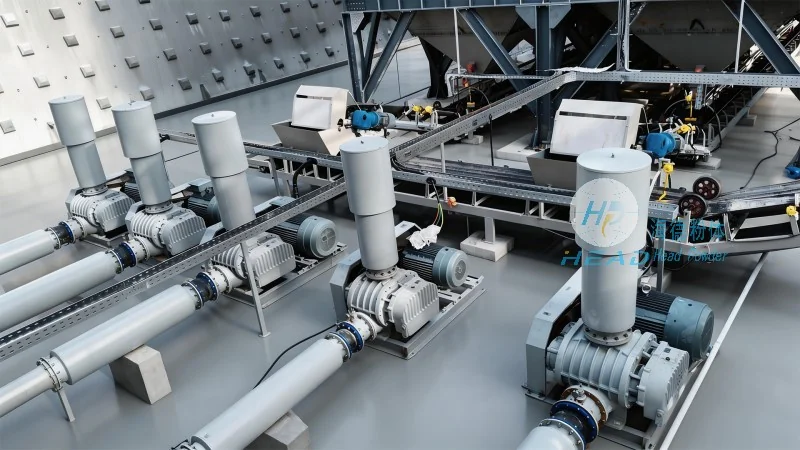
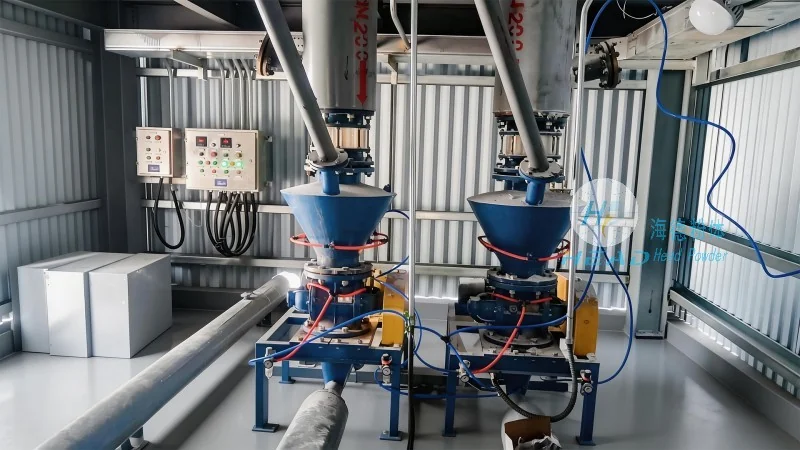
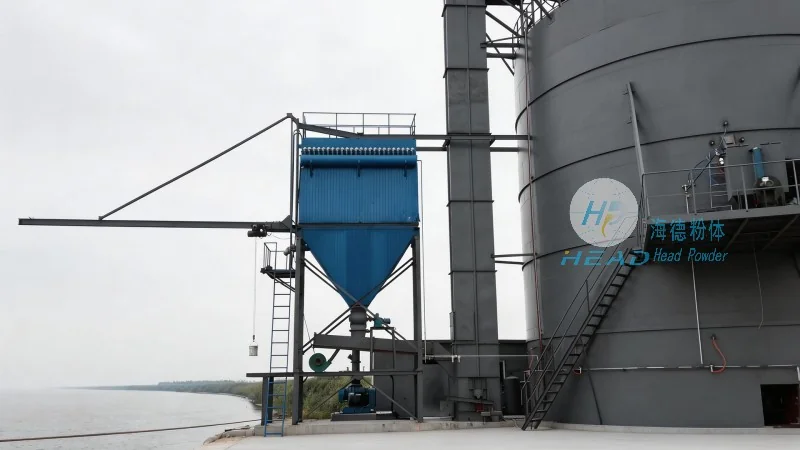
Lithium iron phosphate (LiFePO4) pneumatic conveying equipment operates based on the principle of air flow to transport bulk materials. The system typically consists of a material hopper, a rotary valve, a conveying pipeline, and a dust collector. When the material is fed into the hopper, the rotary valve controls the material discharge into the pipeline. Compressed air is then introduced into the pipeline, creating a negative pressure or positive pressure environment to move the material along the pipeline. The dust collector at the end of the system captures any fine particles, ensuring environmental compliance and material purity.
Key Features of Lithium Iron Phosphate Pneumatic Conveying Equipment
The equipment offers several advantages tailored for handling LiFePO4 materials. Firstly, it provides a dust-free and closed system, which is crucial for maintaining the purity of LiFePO4, a key component in lithium-ion batteries. Secondly, the system is highly efficient in terms of material transport speed and energy consumption, reducing operational costs. Thirdly, it can handle a wide range of particle sizes and moisture content, making it versatile for different production stages. Additionally, the equipment is designed with safety features to prevent material leakage and ensure stable operation, which is vital in industrial environments where LiFePO4 is processed.
Company Information
HeadPowder, a leading manufacturer in the field, specializes in the design and production of pneumatic conveying systems for various industrial applications. As Shandong HeadPowder Engineering Co., Ltd., the company is based in Shandong, China, and has extensive experience in developing customized solutions for material handling challenges. Their expertise ensures that the equipment meets the specific requirements of clients, from small-scale testing to large-scale production lines.