High-quality powder handling solutions are essential for industries dealing with bulk materials like sorghum residue. Pneumatic conveying systems, particularly those designed for high-capacity and efficient transport of such materials, play a crucial role in modern processing facilities. This article explores the concept of sorghum residue pneumatic conveying, detailing the working principles of powder handling systems and how they are applied in practical scenarios.
Understanding Sorghum Residue and Its Processing Challenges
Sorghum residue, a byproduct of the sorghum grain processing industry, presents unique challenges in material handling due to its bulk, density, and potential for dust generation. Traditional methods like belt conveyors or bucket elevators may struggle with the abrasive nature of the residue and the need for hygienic, dust-free transport. Pneumatic conveying offers a solution by using air to transport the material through a pipeline system, minimizing contamination and improving operational efficiency.
The Working Principle of Pneumatic Conveying Systems
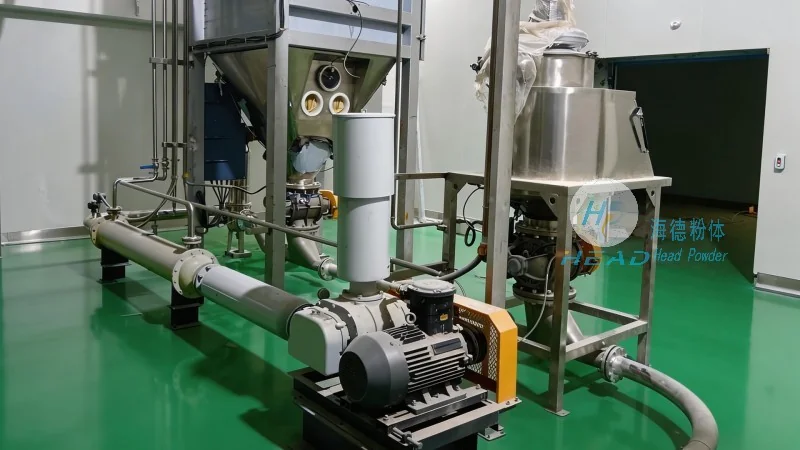
Pneumatic conveying systems operate by creating a pressure differential between the material source and the destination. There are two primary types: pressure and vacuum systems. In pressure systems, compressed air is used to push the material through the pipeline, while vacuum systems use a vacuum to draw the material from the source. For sorghum residue, a pressure system is often preferred as it can handle higher material loads and longer distances without significant pressure loss. The system typically includes a hopper for material storage, a feeder to control the flow rate, a conveying line, and a receiver for the material at the destination.
Key Components of a Pneumatic Conveying System
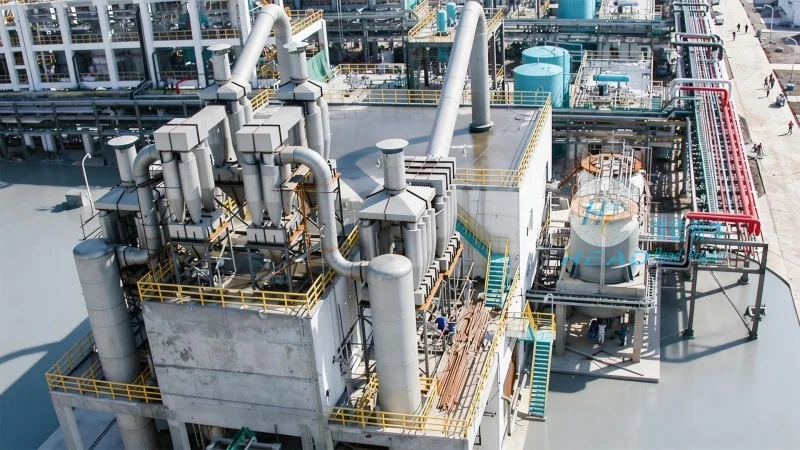
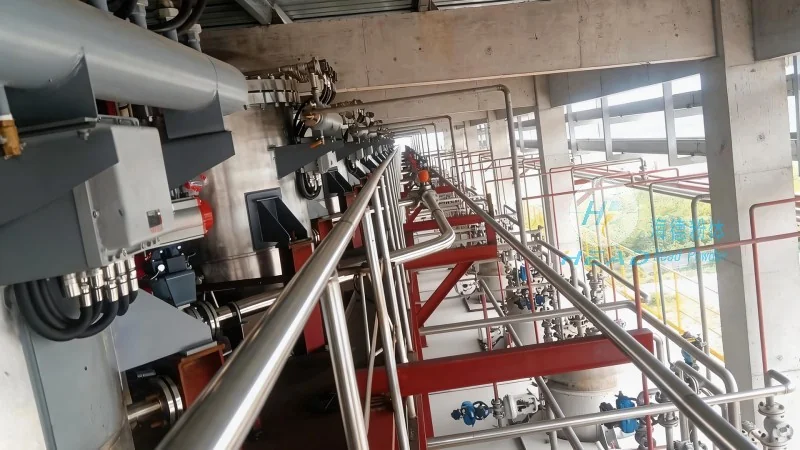
Several critical components ensure the smooth operation of a pneumatic conveying system for sorghum residue. The hopper serves as the storage vessel, holding the residue and providing a consistent feed to the feeder. The feeder, often a rotary valve or a screw feeder, regulates the material flow into the conveying line, preventing blockages and maintaining a steady air-material ratio. The conveying line is made of durable materials like stainless steel or plastic to withstand the abrasive nature of the residue and resist corrosion. The receiver collects the material at the end of the line, with features like a dust filter to capture any fine particles and prevent air leakage. Additionally, a blower or compressor provides the necessary air pressure, and a filter system ensures clean air is recirculated or vented safely.
Benefits of Using Pneumatic Conveying for Sorghum Residue
Implementing a pneumatic conveying system for sorghum residue offers numerous advantages over traditional methods. Firstly, it significantly reduces labor costs by automating the material transport process, eliminating the need for manual handling. Secondly, it improves hygiene and safety by containing dust and preventing contamination, which is critical in food processing industries. Thirdly, the system can handle high material throughput with minimal downtime, enhancing overall production efficiency. Furthermore, pneumatic conveying systems are flexible and can be easily integrated into existing processing lines, allowing for future expansion or modification without major infrastructure changes.
Application Examples and Case Studies
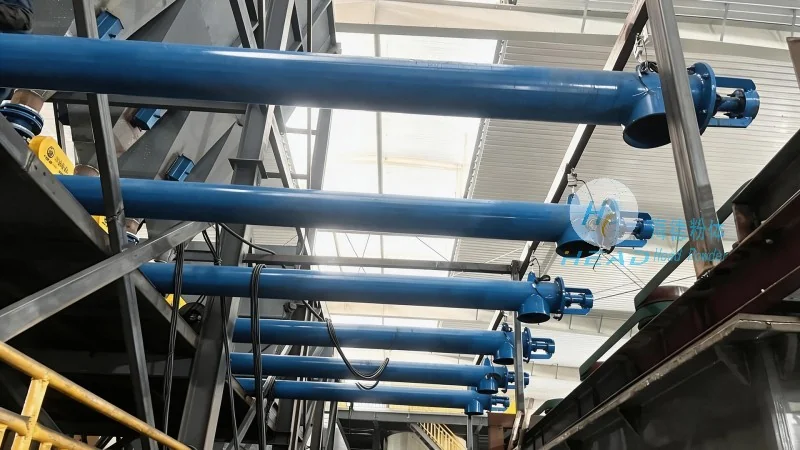
Shandong HeadPowder Engineering Co., Ltd., a leading provider of powder handling solutions, has successfully implemented pneumatic conveying systems for sorghum residue in various clients. For instance, a local distillery in Shandong, China, faced challenges with transporting high volumes of sorghum residue from the storage silo to the fermentation tanks. By installing a custom-designed pressure pneumatic conveying system, the company was able to achieve a 30% increase in material throughput and a 50% reduction in labor costs. The system also improved the hygiene of the process, as the residue was transported in a sealed pipeline, preventing dust from contaminating the surrounding environment.
Conclusion and Future Outlook
Pneumatic conveying systems are a reliable and efficient solution for handling sorghum residue in the food and beverage industry. By understanding the working principles and key components of such systems, industries can optimize their material transport processes, reduce operational costs, and enhance product quality. As technology advances, we can expect further innovations in pneumatic conveying systems, such as more energy-efficient blowers and advanced control systems, to further improve their performance and applicability.




