

Working Principle and Features of Sodium Hydrosulfite Pneumatic Conveying Line
Sodium hydrosulfite, also known as sodium dithionite, is a critical chemical widely used in various industrial processes, including textile bleaching, paper manufacturing, and chemical synthesis. The efficient and safe transportation of this material from storage to processing units is essential for maintaining production efficiency and ensuring operational safety. Pneumatic conveying systems have emerged as a preferred solution for handling sodium hydrosulfite due to their ability to transport powders in a dust-free environment, reducing the risk of inhalation hazards and contamination. This article explores the working principle and key features of a sodium hydrosulfite pneumatic conveying line, highlighting how such systems enhance industrial operations.
Working Principle of the Pneumatic Conveying Line
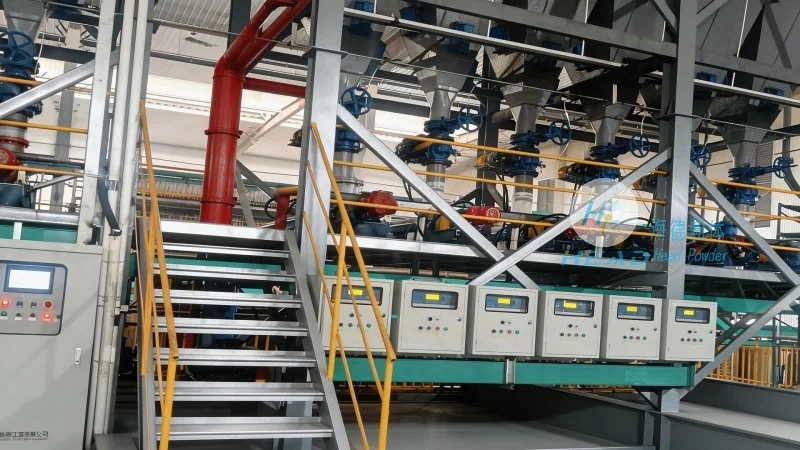
The core of a sodium hydrosulfite pneumatic conveying line is the mechanism by which powders are transported using air or other gases. The system typically operates on the principle of creating a pressure differential or using vacuum to move the material through a pipeline. Here’s a breakdown of the key components and their functions:
- Feeder Unit: The process begins with a feeder that meters the sodium hydrosulfite powder from a storage silo or hopper. This unit ensures a consistent flow rate, preventing overloading or underflow that could disrupt the conveying process.
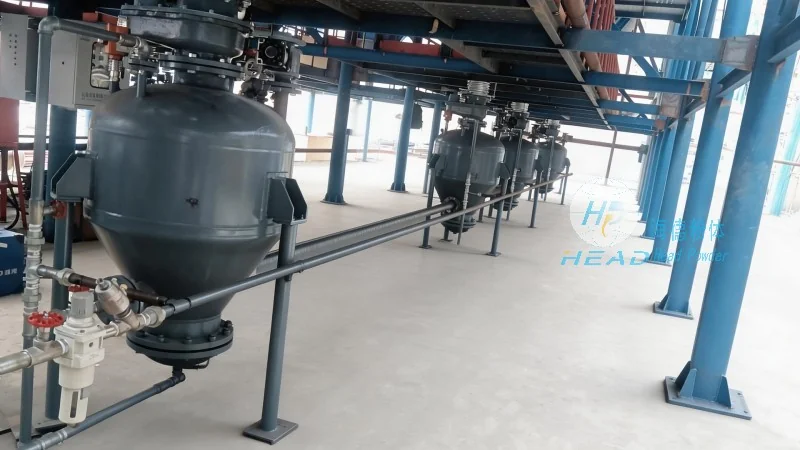
- Pneumatic Conveying Pipe: The feeder delivers the powder into a pipeline where compressed air or a vacuum is applied. The air flow creates a drag force that lifts and propels the powder particles through the pipe. The design of the pipe, including its diameter and length, is critical to maintaining the flow velocity and preventing particle deposition or blockages.
- Control Valves and Regulators: These components regulate the air pressure and flow rate, ensuring optimal conditions for conveying. They help maintain a stable pressure differential, which is essential for consistent material transport. Adjustments can be made based on the material’s properties, such as particle size and moisture content.
- Separation and Collection: At the receiving end of the pipeline, the system uses a separator to separate the powder from the air stream. This is typically achieved through cyclone separators or bag filters, which collect the sodium hydrosulfite and return it to the processing unit. The air is then filtered and discharged, ensuring compliance with environmental regulations.
Overall, the working principle relies on the interaction between the powder and the air flow, leveraging the kinetic energy of the gas to transport the material efficiently. The system is designed to handle the specific characteristics of sodium hydrosulfite, such as its hygroscopic nature and potential for dust generation, ensuring safe and reliable operation.
Key Features of the Pneumatic Conveying Line
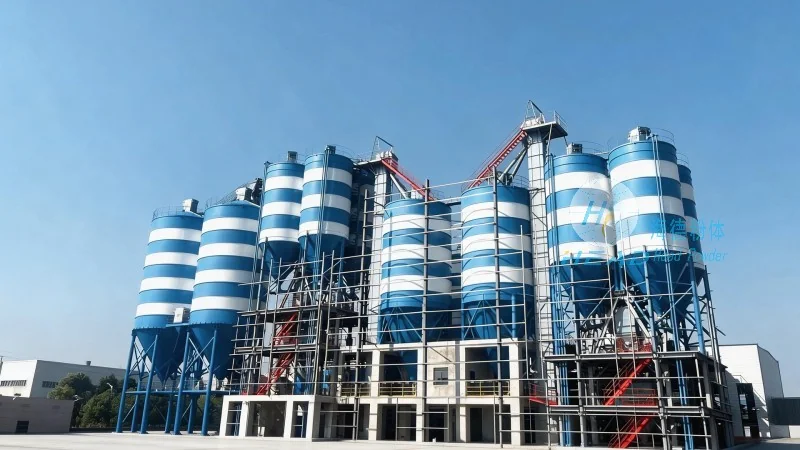
The sodium hydrosulfite pneumatic conveying line from Shandong HeadPowder Engineering Co., Ltd. (headpowder) incorporates several advanced features that enhance its performance and reliability. These features are tailored to meet the demands of industrial applications and ensure optimal material handling:
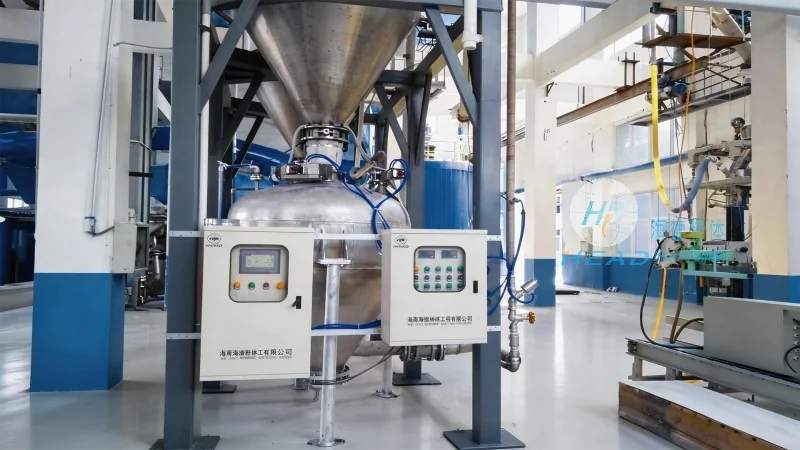
- Customized Design for Sodium Hydrosulfite: The system is engineered specifically for sodium hydrosulfite, taking into account its chemical properties and handling requirements. This includes materials of construction that are resistant to corrosion and chemical reactions, ensuring long-term durability.
- Dust-Free and Safe Operation: Pneumatic conveying eliminates the need for manual handling of powders, reducing the risk of dust inhalation and exposure to hazardous materials. The enclosed system also minimizes environmental contamination, making it suitable for compliance with industrial safety standards.
- Energy Efficiency: Advanced control systems and optimized pipe designs contribute to energy efficiency. The system uses minimal air pressure and flow rates necessary to transport the material, reducing operational costs while maintaining performance.
- Modular and Scalable Configuration: The conveying line can be customized to fit various production scales, from small-scale laboratory applications to large industrial plants. This modularity allows for easy expansion or integration with existing facilities, providing flexibility for growing businesses.
- Advanced Monitoring and Control: Integrated sensors and control panels provide real-time monitoring of the conveying process. This allows operators to detect and address issues promptly, such as blockages or pressure fluctuations, ensuring continuous and reliable operation.
These features collectively make the sodium hydrosulfite pneumatic conveying line a robust and efficient solution for industrial applications, offering a balance between performance, safety, and cost-effectiveness.
Benefits of Implementing a Pneumatic Conveying System
Adopting a sodium hydrosulfite pneumatic conveying line brings several benefits to industrial operations. These advantages extend beyond mere material transport and contribute to overall operational efficiency and safety:
- Improved Production Efficiency: By eliminating bottlenecks caused by manual handling or traditional conveyor systems, the pneumatic conveying line ensures a continuous flow of sodium hydrosulfite to processing units. This reduces downtime and increases the overall throughput of the production line.
- Enhanced Safety and Compliance: The enclosed system minimizes the risk of dust explosions and inhalation hazards, aligning with industrial safety regulations. This not only protects workers but also reduces the risk of fines or operational disruptions due to non-compliance.
- Reduced Maintenance Costs: The design of the conveying line, with its robust components and minimal moving parts, reduces the need for frequent maintenance. This lowers long-term operational costs and ensures reliable performance over time.
- Environmental Sustainability: The system’s ability to handle powders without generating dust reduces environmental impact. Additionally, energy-efficient operation contributes to lower carbon emissions, supporting sustainable industrial practices.
For industries relying on sodium hydrosulfite, investing in a pneumatic conveying line from headpowder can lead to significant improvements in operational performance and safety.