When it comes to the pneumatic transport of bauxite, selecting the right conveying method is crucial for optimizing operational efficiency and cost-effectiveness. Two primary approaches dominate the industry: negative pressure conveying and positive pressure conveying. Each method has its own set of advantages and disadvantages, which can significantly impact the overall performance of a bauxite handling system. This article provides a detailed comparison of these two techniques, highlighting their key benefits and drawbacks, with a focus on practical applications in the bauxite industry.
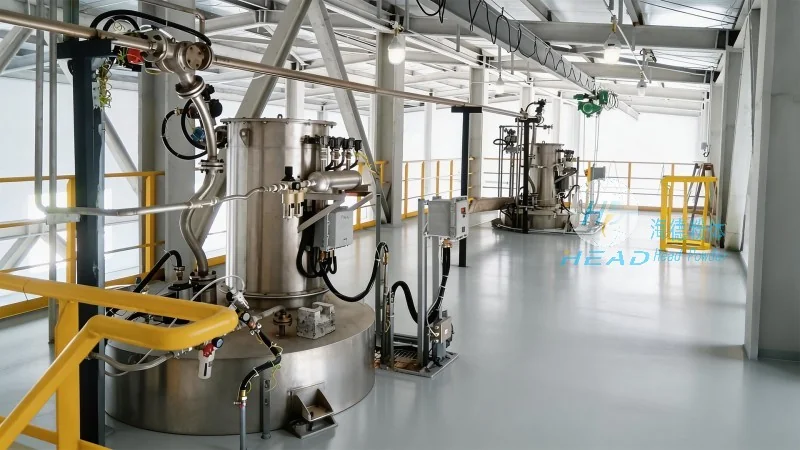
Introduction to Bauxite Pneumatic Conveying
Bauxite is a critical raw material used in the production of aluminum, and its efficient transport is essential for maintaining smooth operations in mining and processing facilities. Pneumatic conveying systems use air to move bulk materials like bauxite through pipelines, offering a non-contact, dust-free, and relatively low-cost method compared to traditional methods such as trucks or conveyor belts. The choice between negative pressure and positive pressure systems depends on factors like material characteristics, distance, and environmental considerations.
Understanding Negative Pressure Conveying
Negative pressure conveying, also known as suction conveying, operates by creating a vacuum in the conveying line. This vacuum draws the material from the source into the pipeline using air flow. The system typically includes a suction hopper, a filter, and a blower or fan that generates the vacuum. One of the main advantages of negative pressure conveying is its ability to handle materials that are prone to dust generation or that require a clean environment, as the material is drawn into the system rather than being expelled. This makes it suitable for applications where dust control is a priority, such as in indoor or enclosed facilities.
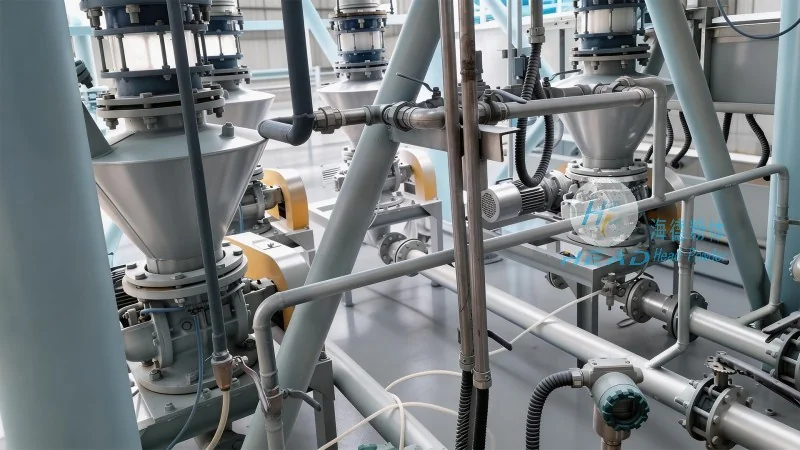
Another key benefit is the lower energy consumption compared to positive pressure systems, especially for shorter conveying distances. The vacuum is created by a relatively small blower, which reduces operational costs. However, negative pressure conveying has limitations, particularly for long-distance or high-volume applications. The vacuum can cause material to stick to the pipeline walls, leading to blockages and reduced efficiency. Additionally, the system is more susceptible to air leaks, which can compromise the vacuum and affect performance. For bauxite, which is often a fine or powdery material, these issues can be significant, as the material may settle or clump in the pipeline, requiring regular maintenance to prevent clogs.
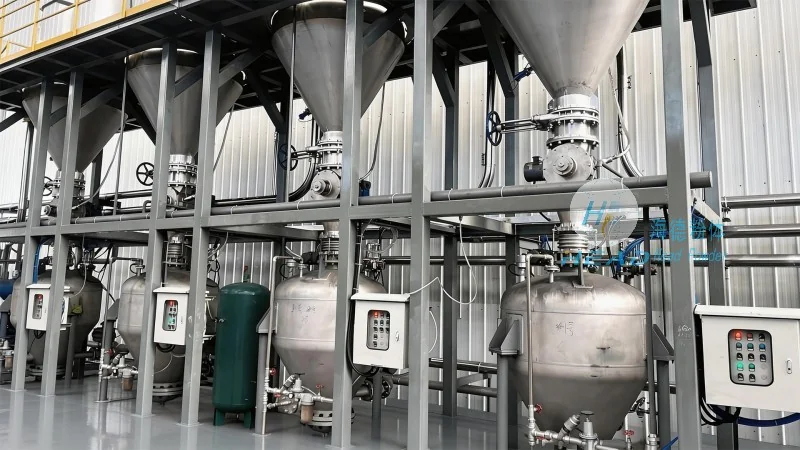
Advantages of Positive Pressure Conveying
Positive pressure conveying, or pressure conveying, works by blowing air and material through the pipeline using a high-pressure blower or fan. The material is pushed from the source into the pipeline, and the air is used to maintain the flow and prevent material from settling. This method is generally more suitable for longer distances and higher material volumes compared to negative pressure systems. One of the primary advantages is its ability to handle a wider range of material types, including coarse or abrasive materials like bauxite, without the risk of blockages. The positive pressure ensures that the material is continuously moved through the pipeline, reducing the likelihood of clogs and increasing system reliability.
Another significant benefit is the higher conveying capacity. Positive pressure systems can transport larger quantities of material over longer distances with less energy consumption per unit of material compared to negative pressure systems. This makes them ideal for large-scale bauxite handling operations where high throughput is required. However, positive pressure conveying also has drawbacks, particularly in terms of dust control and environmental impact. The system expels air and material from the pipeline, which can lead to dust emissions if not properly managed. This requires additional filtration and ventilation systems to comply with environmental regulations. Additionally, the higher pressure can cause wear and tear on the pipeline and equipment, leading to increased maintenance costs over time.




