When designing a pneumatic conveying system for ceramic powders, several critical factors must be considered to ensure efficiency, reliability, and cost-effectiveness. The system's performance is directly influenced by the characteristics of the ceramic material, such as particle size, density, and moisture content, as well as the operational requirements of the application. This article outlines key design considerations that are essential for developing an effective ceramic powder pneumatic conveying system.
Company Overview: HeadPowder Engineering
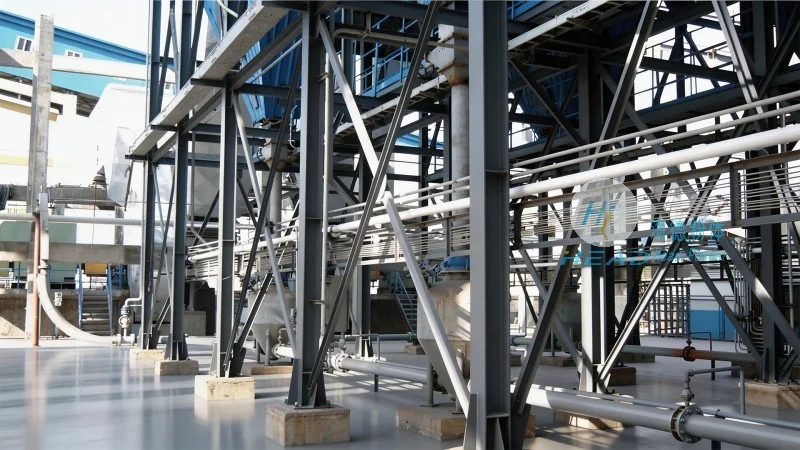
HeadPowder, a leading provider of engineering solutions for material handling, specializes in the design and implementation of pneumatic conveying systems tailored to the unique needs of ceramic industries. With a focus on innovation and precision, HeadPowder Engineering Co., Ltd. has established itself as a trusted partner for companies seeking reliable solutions for transporting ceramic powders. The company is headquartered in Shandong, China, where it leverages local expertise and resources to deliver high-quality engineering services.
Key Design Considerations for Ceramic Powder Pneumatic Conveying
The success of a ceramic powder pneumatic conveying system hinges on a thorough understanding of the material's properties and the system's operational parameters. The first step in the design process involves analyzing the ceramic powder's physical characteristics. Particle size distribution, for instance, affects the system's air velocity requirements and the choice of conveying line diameter. Larger particles may necessitate higher air velocities to maintain flow, while finer powders require more careful control to prevent clogging and ensure uniform transport. Additionally, the density and moisture content of the ceramic powder influence the system's capacity and the need for pre-drying or conditioning steps.
System Components and Their Role in Ceramic Powder Conveying
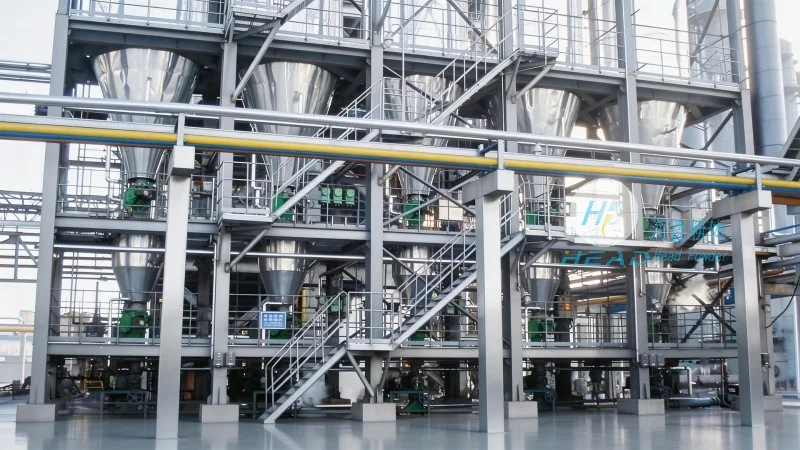
A pneumatic conveying system for ceramic powders typically consists of several key components, each playing a vital role in the overall operation. The primary components include the material feed hopper, which holds the ceramic powder and regulates the flow into the system. The feed hopper is equipped with a feeder, such as a rotary valve or a screw feeder, to control the discharge rate and prevent material buildup. The conveying line, usually made of stainless steel or other corrosion-resistant materials, transports the powder using compressed air. The air compressor and associated controls provide the necessary pressure and airflow to move the material through the system. At the receiving end, a collection hopper or silo stores the conveyed powder, and a discharge valve allows for controlled release. Each component must be selected based on the specific characteristics of the ceramic powder and the system's operational conditions to ensure optimal performance and longevity.
Material Handling Challenges and Solutions in Ceramic Powder Conveying
Ceramic powders present unique challenges in pneumatic conveying due to their abrasive nature and potential for caking or agglomeration. Abrasive particles can cause wear on system components, particularly the conveying line and feed equipment, leading to increased maintenance costs and system downtime. To mitigate this, the use of high-quality, wear-resistant materials for the conveying line and components is essential. Additionally, the risk of caking or agglomeration can be addressed through proper material conditioning, such as pre-drying or the addition of anti-caking agents. The system design may also incorporate features like vibration or agitation to prevent material buildup and ensure smooth flow. By addressing these challenges proactively, the system can maintain high efficiency and reliability over time.
System Sizing and Airflow Calculations for Ceramic Powder Conveying
Accurate system sizing is critical to the performance of a ceramic powder pneumatic conveying system. The airflow rate and pressure required are determined based on the material's properties and the system's layout. The calculation process involves considering the material's bulk density, particle size, and the desired conveying velocity. For example, a higher conveying velocity may be required for finer powders to prevent settling or clogging in the line. The system's pressure drop across the conveying line and components must also be calculated to ensure the compressor can provide sufficient pressure to maintain the desired flow rate. Proper sizing ensures that the system operates within its optimal range, minimizing energy consumption and maximizing material throughput. HeadPowder Engineering employs advanced computational methods and field-tested experience to perform these calculations accurately, ensuring the system meets the client's operational requirements.
Installation and Commissioning of Ceramic Powder Pneumatic Conveying Systems
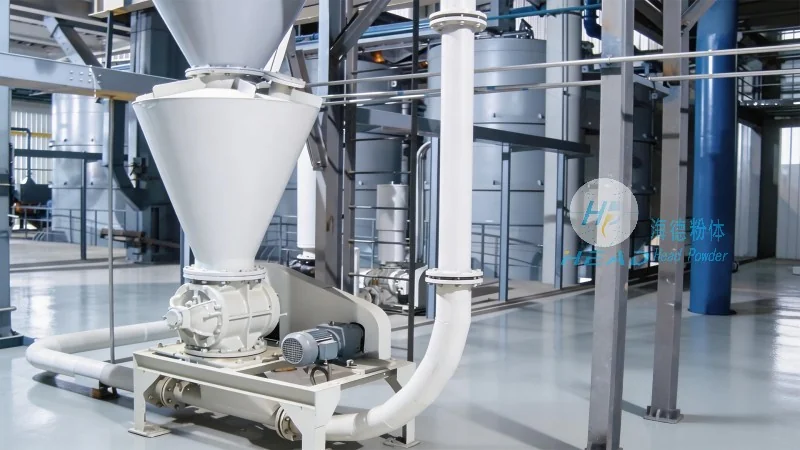
The installation and commissioning phase is crucial for the successful operation of a ceramic powder pneumatic conveying system. Proper installation involves careful alignment of components, ensuring that the conveying line is free of bends or kinks that could cause pressure losses or material buildup. The feed hopper and receiving hopper must be positioned to minimize material spillage and ensure easy access for maintenance. Commissioning involves testing the system under various operating conditions to verify that it meets the design specifications. This includes checking the airflow rate, pressure, and material flow rate, as well as monitoring for any signs of wear or inefficiency. HeadPowder Engineering provides comprehensive installation and commissioning services, ensuring that the system is set up correctly and operates as intended from the start. Regular maintenance and monitoring are also recommended to maintain the system's performance over time.
Benefits of Using a Professional Design and Implementation Partner for Ceramic Powder Pneumatic Conveying
Partnering with a specialized engineering company like HeadPowder Engineering offers significant advantages when implementing a ceramic powder pneumatic conveying system. The company's expertise in material handling and pneumatic conveying allows for tailored solutions that address the specific challenges of ceramic powders. By leveraging their experience and advanced design tools, HeadPowder can optimize the system for efficiency, reduce energy consumption, and minimize maintenance costs. Additionally, the company provides ongoing support and maintenance services, ensuring that the system continues to operate at peak performance. Clients benefit from a comprehensive approach that includes design, installation, and after-sales support, providing peace of mind and long-term reliability. For companies in the ceramic industry, choosing a professional partner like HeadPowder Engineering is essential for achieving efficient and reliable material handling solutions.




