

Working Principle and Features of Film-Coated Sand Pneumatic Conveying Lines
For industrial applications requiring efficient and reliable material handling, film-coated sand pneumatic conveying lines offer a robust solution. This article explores the working principle and key features of such systems, providing insights into their design, operation, and benefits.
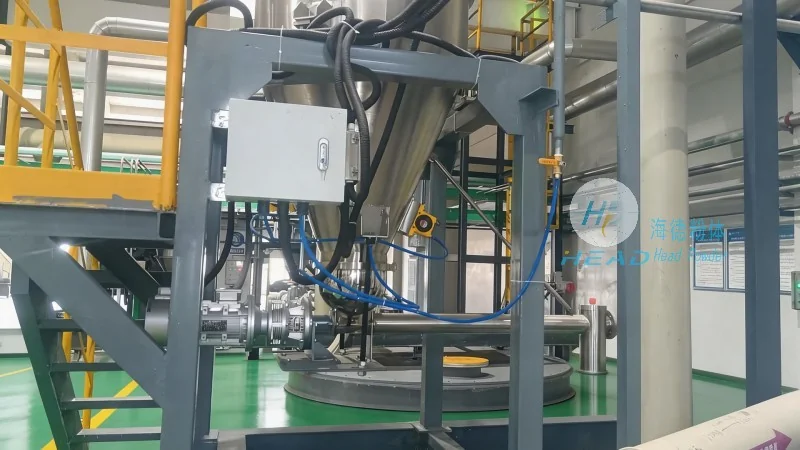
Company Overview: Shandong HeadPowder Engineering Co., Ltd.
HeadPowder, a leading manufacturer in the field, specializes in the design, production, and installation of advanced pneumatic conveying equipment. With a focus on precision engineering and customer-centric solutions, the company has established itself as a trusted partner for industries dealing with sand and similar bulk materials. HeadPowder’s facilities are located in Shandong, China, where the company leverages local expertise and resources to deliver high-quality products tailored to specific industrial needs.
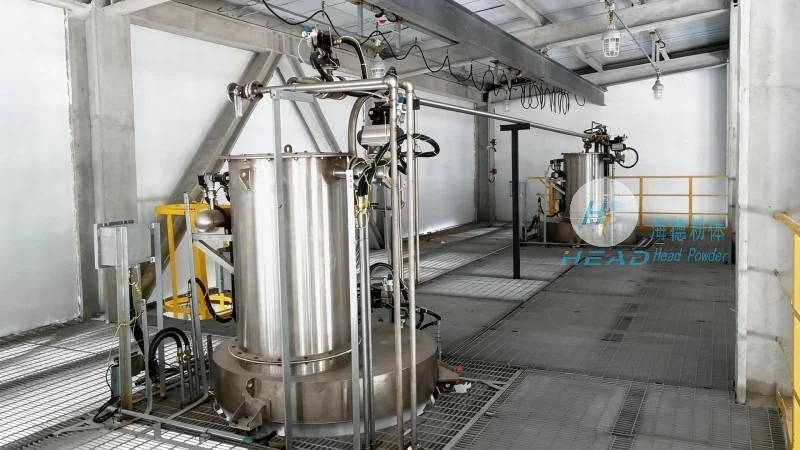
Working Principle of Film-Coated Sand Pneumatic Conveying Lines
The core of a film-coated sand pneumatic conveying line lies in its pneumatic transport mechanism. The system operates by using compressed air to move sand particles through a pipeline. The film coating on the sand particles, typically applied to enhance flowability and reduce dust, plays a crucial role in ensuring smooth and consistent transport. The process begins with the sand being fed into a hopper, where it is mixed with the film coating material if necessary. From the hopper, the sand is introduced into the conveying line under pressure. Compressed air is then introduced into the line, creating a flow that propels the sand particles forward. The velocity and pressure of the air are carefully controlled to maintain optimal particle movement without causing excessive wear or degradation of the film coating. The system typically includes components such as a blower, hopper, pipeline, and receiving tank, each designed to work in harmony to achieve efficient material transport.
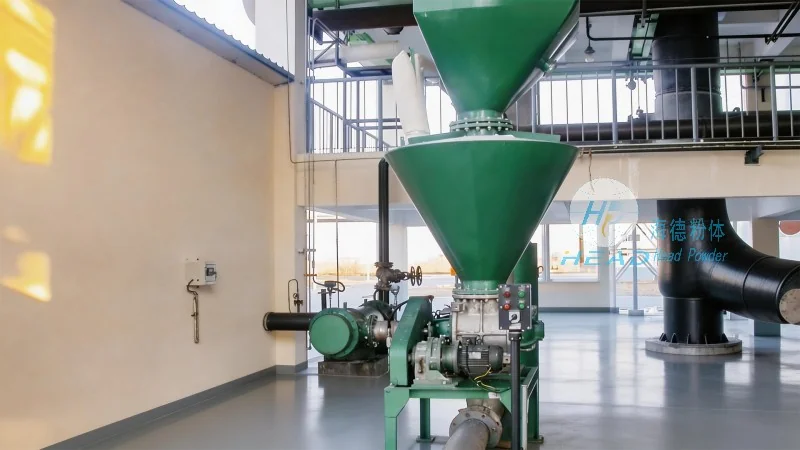
Key Features and Advantages
Film-coated sand pneumatic conveying lines are characterized by several notable features that set them apart from traditional conveying methods. One of the primary advantages is the enhanced flowability of the sand due to the film coating, which reduces friction and prevents clogging in the pipeline. This results in more consistent and reliable transport, even with varying particle sizes or moisture content. Another key feature is the ability to handle dust and particulate matter more effectively, as the film coating helps to minimize dust generation during handling and transport. The system also offers flexibility in terms of layout and integration, allowing it to be adapted to different industrial settings and production processes. Additionally, the use of pneumatic conveying eliminates the need for mechanical components like conveyors or elevators, reducing maintenance requirements and operational costs. The compact design of these systems also makes them suitable for space-constrained environments, making them a practical choice for various industrial applications.
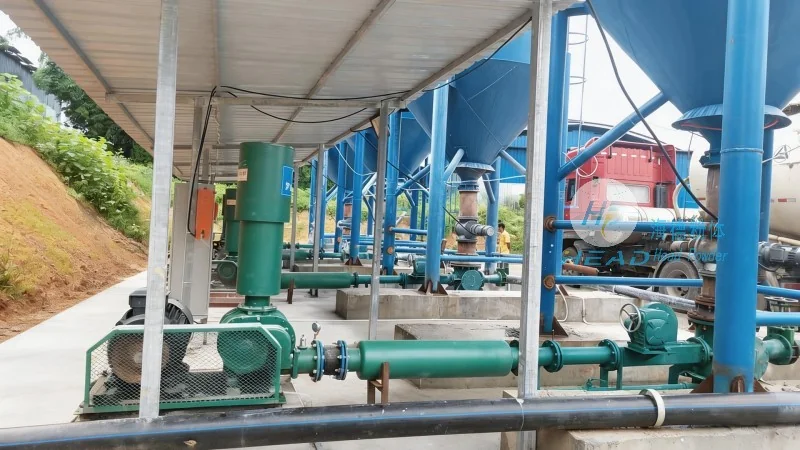
Applications and Industries
Film-coated sand pneumatic conveying lines are widely used in industries that require the handling of sand and similar bulk materials. Common applications include foundries, where the sand is used in casting processes, and construction material manufacturing, where the sand is processed for concrete or other building materials. The system is also utilized in the production of glass, ceramics, and other materials that involve sand as a raw ingredient. The ability to transport sand efficiently and with minimal dust makes it particularly valuable in industries where cleanliness and material purity are critical. HeadPowder’s systems are designed to meet the specific requirements of these industries, ensuring optimal performance and reliability in diverse operational conditions.