HeadPowder, a leading engineering firm based in Shandong, China, specializes in advanced pneumatic conveying solutions tailored for the mineral sand industry. This article provides a comprehensive exploration of negative pressure and positive pressure pneumatic conveying systems, detailing their operational principles, key advantages, and practical applications in mineral sand processing and transportation.
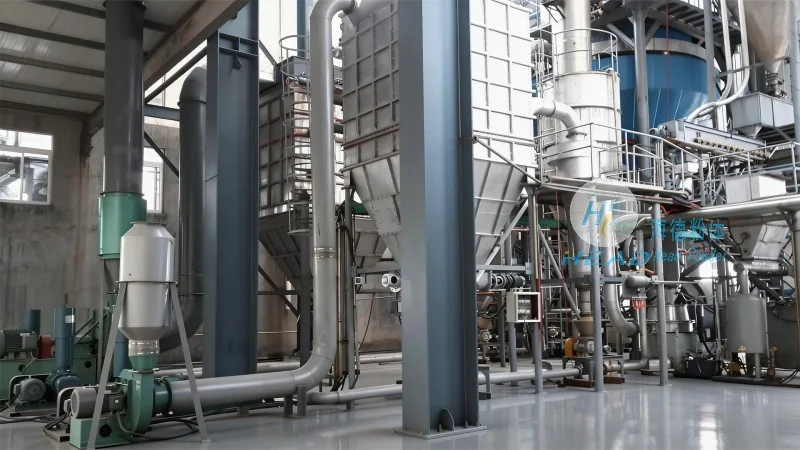
Understanding Pneumatic Conveying Systems for Mineral Sands
Pneumatic conveying is a critical technology in the mineral sand sector, enabling efficient and reliable transport of fine to medium-sized particles over varying distances. The choice between negative pressure (vacuum) and positive pressure (pressure) systems depends on factors such as material characteristics, distance, and system layout. Both systems offer distinct benefits and are selected based on specific operational requirements.
Negative Pressure (Vacuum) Pneumatic Conveying Systems
Negative pressure systems operate by creating a vacuum at the material inlet, drawing the mineral sand into the pipeline using air flow. This method is particularly effective for conveying materials from multiple sources or over long distances, as it can handle particles with higher moisture content or cohesive properties. The system typically includes a vacuum pump, a hopper for material storage, and a filter to capture fine particles before releasing air back into the environment.
Key advantages of negative pressure systems include lower energy consumption for short to medium distances, reduced risk of material spillage at the discharge point, and the ability to handle abrasive materials without excessive wear on components. However, they may require more complex filtration systems to prevent dust emissions and are generally less suitable for high-capacity or high-pressure applications.
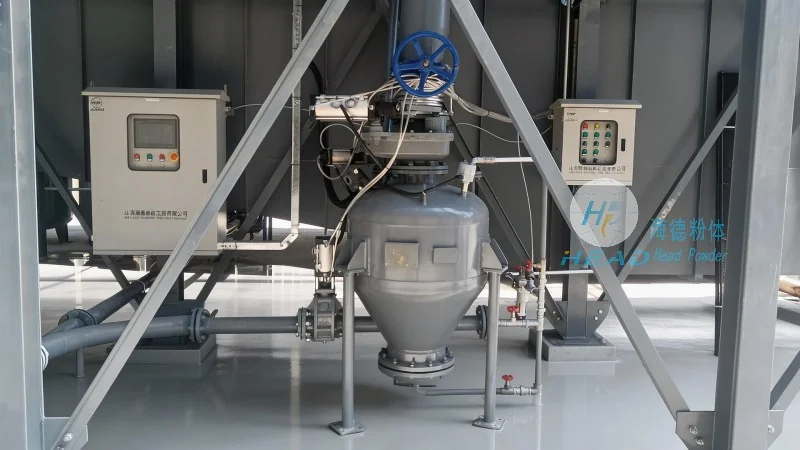
Positive Pressure (Pressure) Pneumatic Conveying Systems
Positive pressure systems, conversely, use compressed air to push material through the pipeline. This approach is ideal for short to medium distances and for transporting materials that are less abrasive or have lower moisture content. The system comprises a blower, a material feeder, and a discharge valve, with air being continuously supplied to maintain pressure throughout the pipeline.
Advantages of positive pressure systems include higher conveying capacities, simpler filtration requirements, and better control over material flow. They are commonly used in applications where the material is to be discharged directly into a processing unit or storage silo. However, they may consume more energy, especially for long-distance or high-capacity operations, and require robust pipeline designs to withstand pressure.
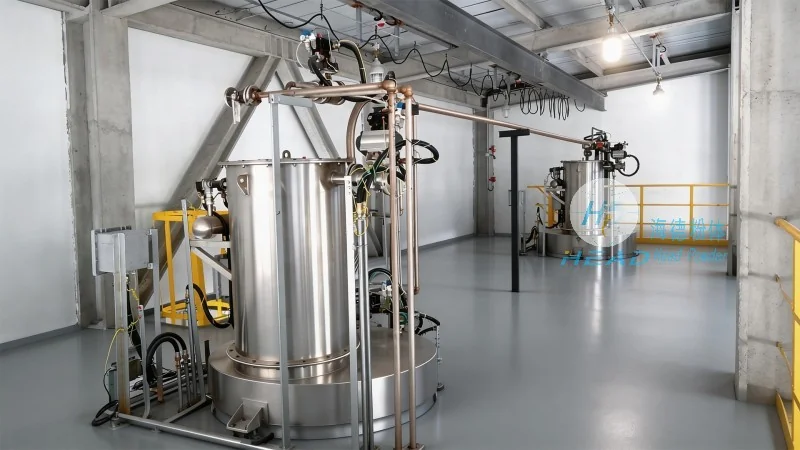
Applications and Practical Considerations
The selection of a negative or positive pressure system for mineral sand transport is influenced by several practical factors. For instance, negative pressure systems are often preferred in scenarios where the material is sourced from multiple points or needs to be conveyed over long distances, such as from a mine to a processing plant. Positive pressure systems, on the other hand, are more suitable for on-site processing where the material is moved from a hopper to a crusher or dryer over shorter distances.
HeadPowder’s expertise lies in designing customized pneumatic conveying solutions that optimize performance and efficiency. By analyzing the specific characteristics of the mineral sand, such as particle size distribution, density, and moisture content, the company tailors the system to meet the client's operational needs. This includes selecting the appropriate blower or vacuum pump, determining the optimal pipeline diameter and length, and implementing effective filtration and material handling strategies.
Conclusion
Both negative and positive pressure pneumatic conveying systems play vital roles in the mineral sand industry, offering unique solutions to the challenges of material transport. Negative pressure systems excel in long-distance, multi-source applications, while positive pressure systems are ideal for shorter, high-capacity operations. HeadPowder, with its deep understanding of these technologies and practical experience, provides tailored engineering solutions that enhance operational efficiency and reliability in mineral sand processing and transportation.




