

What is a Polyethylene Granular Material Pneumatic Conveying System? And What Are Its Design Princip
For industries dealing with polyethylene granules, efficient material handling is crucial. A pneumatic conveying system offers a reliable solution to transport these granular materials from one location to another. This article explores what a polyethylene granular material pneumatic conveying system is and the underlying design principles that make it effective.
Understanding the Pneumatic Conveying System
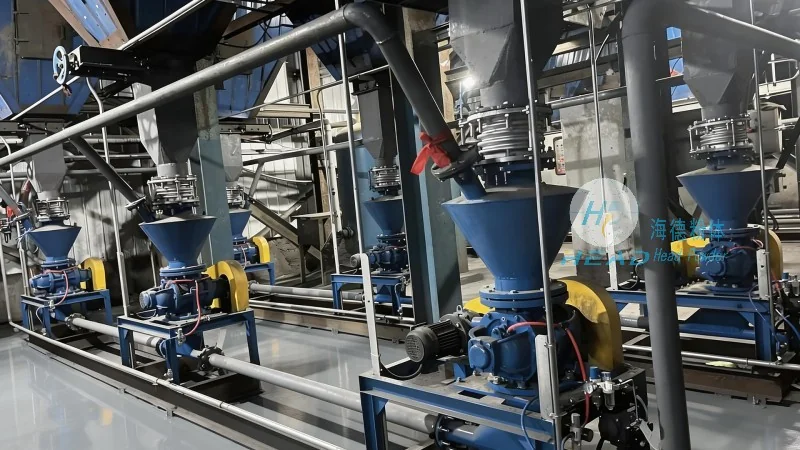
At its core, a pneumatic conveying system uses air or gas to transport solid materials like polyethylene granules. Unlike traditional methods such as conveyor belts or trucks, this system provides a closed-loop or open-loop operation, ensuring minimal dust exposure and improved safety. The system typically consists of a hopper, a conveyor line, and a receiver, all connected by a network of pipes. The key is the air flow, which can be generated by positive pressure (blowers) or negative pressure (vacuum pumps), depending on the application requirements.
Design Principles for Polyethylene Granular Material Handling
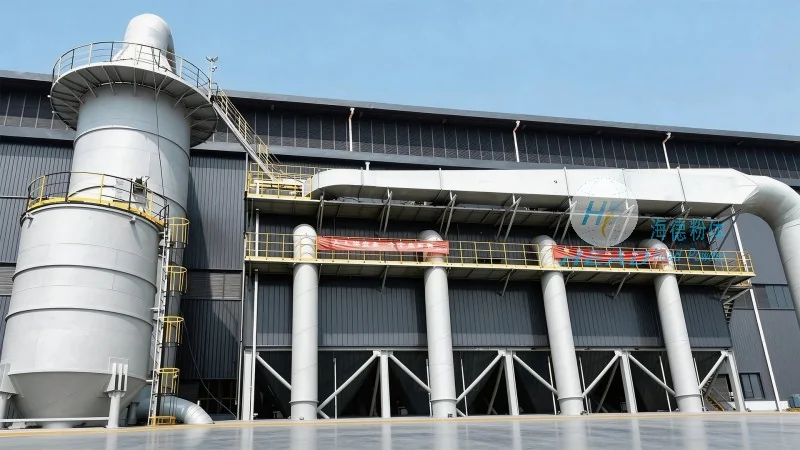
The design of a polyethylene granular material pneumatic conveying system involves several critical principles to ensure optimal performance. First, the system must consider the physical properties of the polyethylene granules, including their size, density, and flowability. These characteristics influence the air velocity required to move the material through the pipes. For instance, smaller granules may need higher air speeds to prevent settling or blockages. Second, the system's layout and pipe diameter are crucial. Larger diameters reduce friction losses and pressure drops, while proper bends and fittings minimize energy consumption and material degradation. Third, the choice of air source and pressure control is vital. Positive pressure systems are often preferred for long-distance or high-capacity applications, as they can handle more material with less pressure loss. Negative pressure systems, on the other hand, are suitable for short distances or when containing dust is a priority.
Components and Their Roles
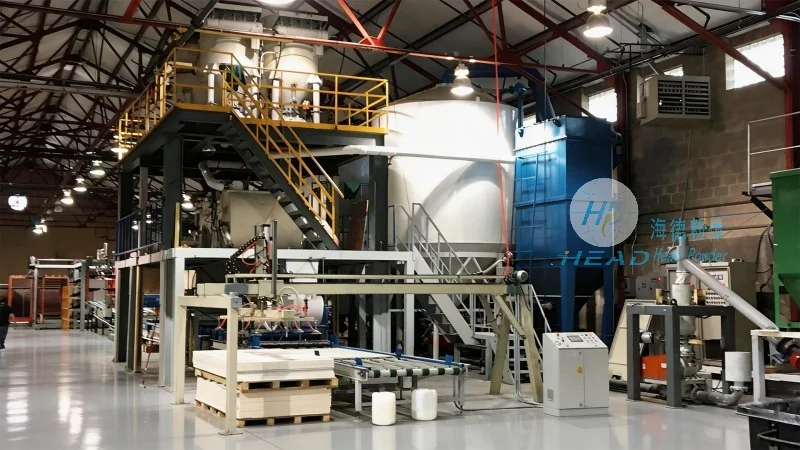
Each component of the pneumatic conveying system plays a specific role in the overall operation. The hopper, where the polyethylene granules are stored, must be designed to prevent material bridging or segregation. A well-designed hopper ensures a consistent flow of material into the conveyor line. The conveyor line, made of durable materials like stainless steel or plastic, transports the granules along the desired path. The receiver, at the end of the line, collects the material and may include a filter to capture any fine particles. The air source, whether a blower or vacuum pump, provides the necessary pressure or suction to move the material. Proper filtration and maintenance of the air source are essential to prevent contamination and ensure long-term system reliability.
Applications and Benefits
Polyethylene granular material pneumatic conveying systems are widely used in various industries, including plastics manufacturing, chemical processing, and food processing. The benefits of using such a system include increased efficiency, reduced labor costs, and improved safety. By eliminating the need for manual handling, the system minimizes the risk of injury and exposure to dust. Additionally, the closed-loop design reduces environmental impact by containing dust and preventing contamination of the surrounding area. The system also allows for precise control over the material flow rate, ensuring consistent production processes.
Conclusion
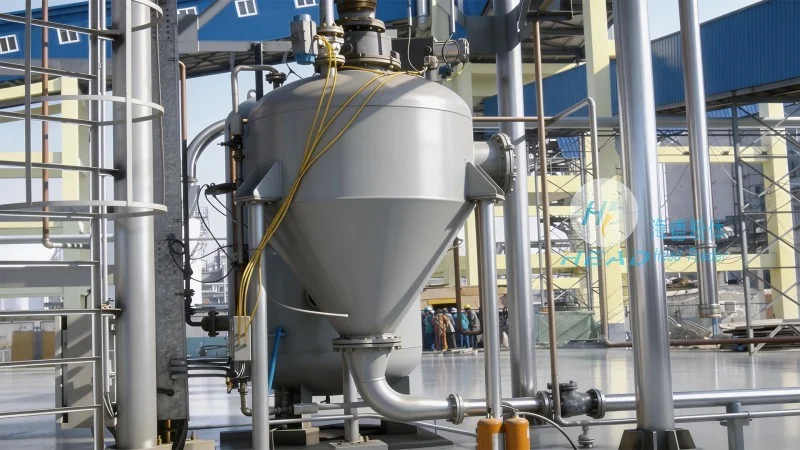
In conclusion, a polyethylene granular material pneumatic conveying system is an efficient and reliable solution for transporting polyethylene granules. The design principles, including consideration of material properties, system layout, and air source selection, are critical to achieving optimal performance. With proper design and maintenance, this system can significantly improve operational efficiency and safety in various industrial applications. As a leading provider in this field, Shandong HeadPowder Engineering Co., Ltd. specializes in designing and manufacturing such systems, ensuring high-quality and tailored solutions for their clients.