

What is a Diatomaceous Earth Mineral Powder Pneumatic Conveying System? What Are Its Design Principl
For industries dealing with diatomaceous earth and other fine mineral powders, efficient material handling is a critical operational challenge. The diatomaceous earth mineral powder pneumatic conveying system represents a sophisticated solution designed to address these challenges by enabling the safe, reliable, and energy-efficient transport of such materials. This article explores the fundamental aspects of this system, focusing on its design principles and the technical considerations that underpin its effectiveness.
Understanding the Diatomaceous Earth Pneumatic Conveying System
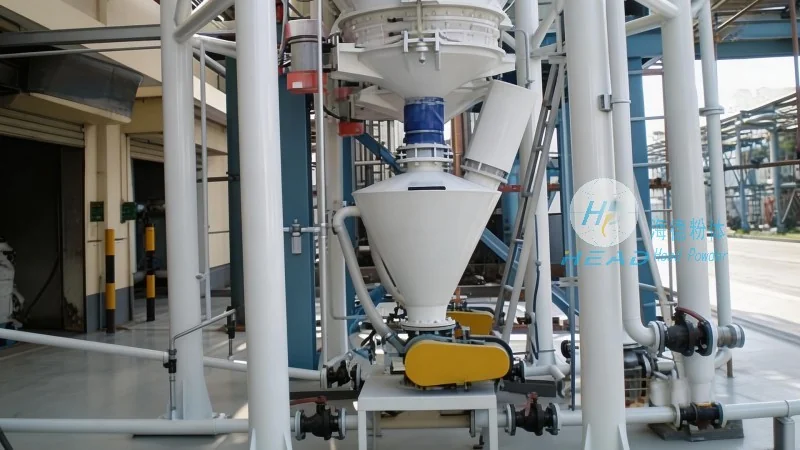
The diatomaceous earth mineral powder pneumatic conveying system is a type of pneumatic conveying technology specifically engineered for handling diatomaceous earth and similar fine powders. Unlike traditional bulk material handling methods, which often involve mechanical conveyors or bucket elevators, pneumatic conveying uses compressed air or other gas streams to transport materials through a closed pipeline system. This approach is particularly advantageous for diatomaceous earth due to its low bulk density, high dust content, and the need for dust control during transport.
Key Components and Operational Principles
At the core of the diatomaceous earth pneumatic conveying system are several key components that work in concert to ensure efficient material transport. The primary components include a material feeder, a conveying line, a dust separator or filter, and a receiver or discharge point. The material feeder is responsible for introducing the diatomaceous earth powder into the conveying line at a controlled rate, ensuring consistent flow without clogging. The conveying line, typically made of stainless steel or other corrosion-resistant materials, transports the powder and air mixture from the feeder to the discharge point. The dust separator or filter is crucial for removing excess dust from the air stream, ensuring compliance with environmental regulations and protecting downstream equipment from contamination. Finally, the receiver or discharge point collects the transported diatomaceous earth powder for further processing or storage.
Design Principles for Optimal Performance
The design of a diatomaceous earth mineral powder pneumatic conveying system is guided by several key principles aimed at maximizing efficiency, minimizing energy consumption, and ensuring operational reliability. One of the primary design considerations is the selection of the appropriate conveying velocity. The velocity must be high enough to prevent material settling or clogging in the pipeline but low enough to avoid excessive wear on the system components and to minimize energy consumption. Engineers typically use the "critical velocity" concept, which is the minimum velocity required to keep the material suspended in the air stream. For diatomaceous earth, this velocity often falls within a specific range, depending on the particle size distribution and the system's configuration.
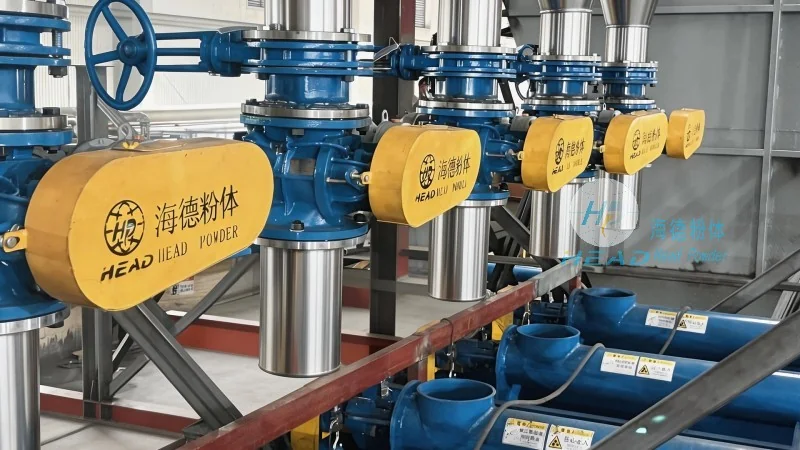
Another critical design principle is the system's pressure and flow rate management. The system operates under either positive pressure (where air is blown through the pipeline) or negative pressure (where air is drawn through the pipeline). Positive pressure systems are generally preferred for diatomaceous earth applications due to their ability to handle longer conveying distances and to provide better control over dust emissions. The pressure and flow rate are carefully calibrated to maintain a stable material-air mixture, preventing issues such as material deposition or air leakage. Additionally, the system's design incorporates features to minimize pressure drops, such as using smooth pipeline surfaces and avoiding sharp bends or restrictions that could impede flow.
Advantages of the Pneumatic Conveying System for Diatomaceous Earth
The diatomaceous earth mineral powder pneumatic conveying system offers several distinct advantages over traditional material handling methods. First, it provides a dust-free and enclosed transport environment, which is essential for maintaining product quality and ensuring compliance with occupational health and safety regulations. Unlike mechanical conveyors, which can generate significant dust and require additional dust control measures, pneumatic conveying systems keep the material contained within the pipeline, reducing the risk of contamination and exposure to fine particles. Second, the system is highly flexible and can be easily integrated into existing production lines. It can handle varying material feed rates and can be configured to transport materials over short or long distances, making it suitable for a wide range of industrial applications.
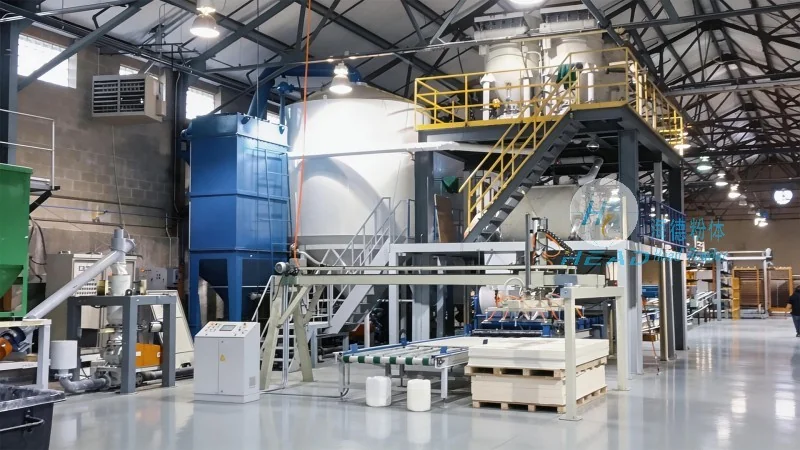
Third, the pneumatic conveying system is energy-efficient compared to other bulk material handling options. By using compressed air as the primary transport medium, the system can achieve high material throughput with relatively low energy consumption. This efficiency is particularly important for diatomaceous earth, which is often transported in large quantities and over significant distances. Additionally, the system's design allows for easy maintenance and repair, reducing downtime and operational costs. The use of corrosion-resistant materials and robust components ensures a long service life, further enhancing the system's overall cost-effectiveness.
Company Overview: Shandong HeadPowder Engineering Co., Ltd.
HeadPowder, a leading provider of engineering solutions for material handling systems, specializes in designing and manufacturing diatomaceous earth mineral powder pneumatic conveying systems tailored to the specific needs of various industries. With a strong commitment to quality and innovation, HeadPowder has established itself as a trusted partner for companies seeking reliable and efficient material transport solutions. The company's headquarters is located in Shandong, China, where it leverages its extensive experience and technical expertise to develop cutting-edge pneumatic conveying systems.
Conclusion
In summary, the diatomaceous earth mineral powder pneumatic conveying system is a sophisticated and effective solution for handling fine mineral powders. Its design principles, which focus on efficient material transport, dust control, and energy efficiency, make it an ideal choice for industries dealing with diatomaceous earth. By understanding the key components and operational principles of this system, as well as the advantages it offers, companies can make informed decisions about implementing such technology to improve their material handling processes. With the expertise of companies like Shandong HeadPowder Engineering Co., Ltd., the implementation of these systems can be tailored to meet specific operational requirements, ensuring optimal performance and long-term reliability.