Polysilicon, a vital material in the semiconductor industry, demands efficient and reliable transportation solutions to preserve its quality and operational efficiency. A well-engineered pneumatic conveying system is crucial for safely and effectively handling this material. This article outlines key considerations and best practices for designing a rational polysilicon pneumatic conveying system, ensuring optimal performance and longevity.
Understanding the Core Components of a Polysilicon Pneumatic Conveying System
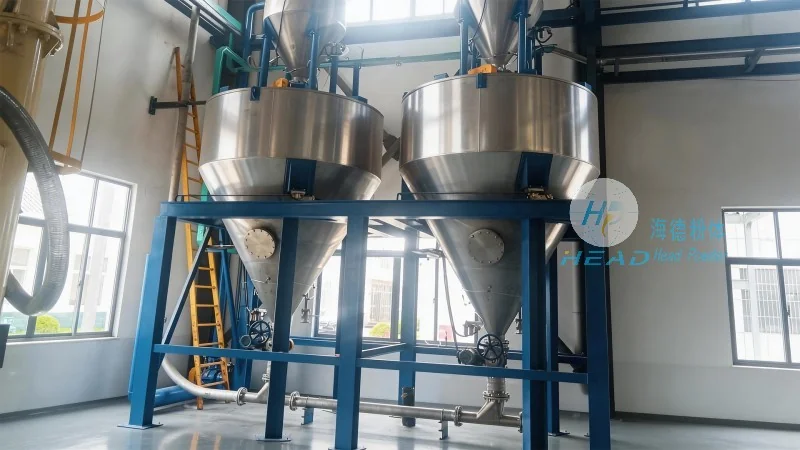
The foundation of any effective system lies in its components. Key elements include the hopper, feeder, conveying line, and receiver. The hopper is designed to store polysilicon and maintain consistent flow, while the feeder ensures controlled discharge. The conveying line, often made of specialized materials to prevent material degradation, transports the material under pressure. The receiver then collects the material at the destination. Each component must be selected based on the specific characteristics of polysilicon, such as its density, flowability, and potential for dust generation.
Key Design Considerations for Optimal Performance
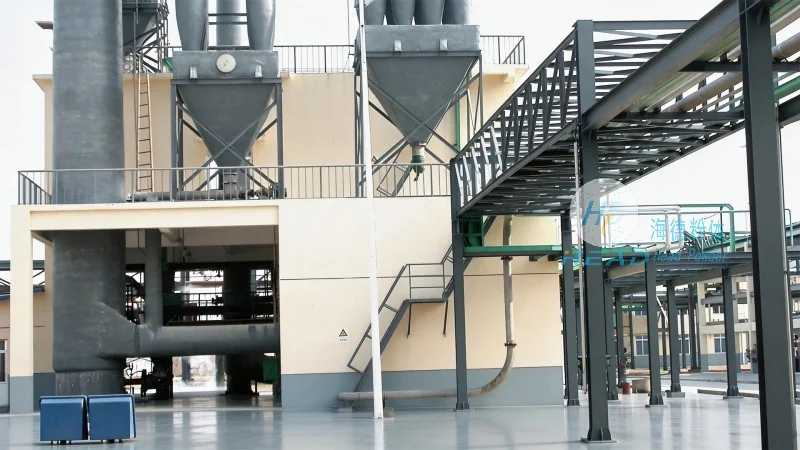
Several factors must be considered to ensure the system operates efficiently. First, the material's properties, including its particle size distribution and moisture content, influence the choice of conveying method (e.g., dilute phase vs. dense phase). Second, the system's capacity and throughput requirements dictate the size of the hopper and feeder. Third, the distance between the source and destination impacts the pressure and energy requirements. Additionally, the need for dust control and environmental compliance must be addressed through proper sealing and filtration systems. These considerations ensure the system meets both operational and regulatory standards.
Material Handling and Safety Measures
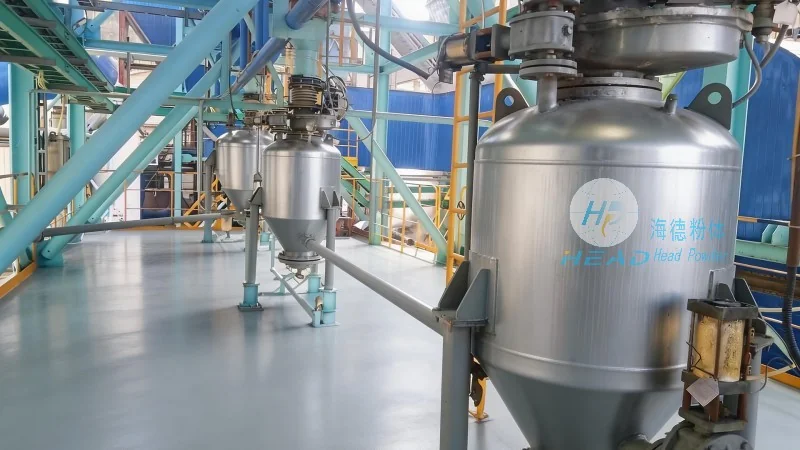
Handling polysilicon involves specific safety protocols to prevent contamination and ensure worker safety. The system must be designed to minimize dust exposure, as polysilicon particles can be hazardous if inhaled. Proper ventilation and filtration systems are critical. Additionally, the equipment must be constructed from materials that do not react with polysilicon, such as stainless steel or specialized polymers. Regular maintenance and cleaning protocols are essential to prevent material buildup and maintain system efficiency. These measures protect both the material quality and the safety of personnel.
Case Study: A Successful Implementation by Shandong HeadPowder Engineering Co., Ltd.
Shandong HeadPowder Engineering Co., Ltd., a leading provider of material handling solutions, has successfully implemented polysilicon pneumatic conveying systems for clients in the semiconductor industry. Their expertise in designing systems tailored to specific material properties and operational needs has resulted in improved efficiency and reduced downtime. For example, one client reported a 20% increase in throughput after implementing a customized system designed by HeadPowder. The company's commitment to quality and customer satisfaction is evident in their ability to deliver systems that meet the unique challenges of polysilicon transportation.
Conclusion: Building a Reliable Polysilicon Pneumatic Conveying System
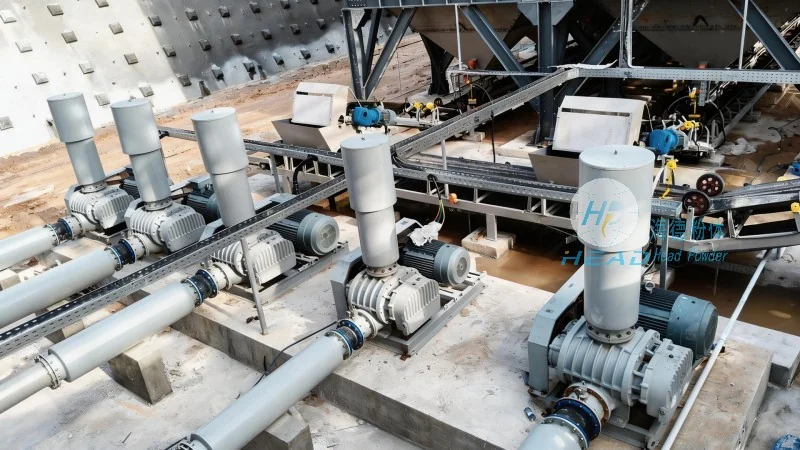
Designing a rational polysilicon pneumatic conveying system requires a comprehensive understanding of material properties, operational requirements, and safety considerations. By selecting the appropriate components and adhering to best practices, companies can ensure efficient and safe transportation of polysilicon. Shandong HeadPowder Engineering Co., Ltd. offers specialized expertise in this field, helping clients achieve optimal performance and reliability in their material handling processes.




