For industrial applications involving melamine powder, the design of an efficient and reliable pneumatic conveying system is crucial to ensure smooth material handling, minimize downtime, and maintain product quality. A well-designed system not only enhances operational efficiency but also reduces maintenance costs and environmental impact. This article outlines key considerations and steps for designing a reasonable melamine powder pneumatic conveying system, with a focus on practical implementation and industry best practices.
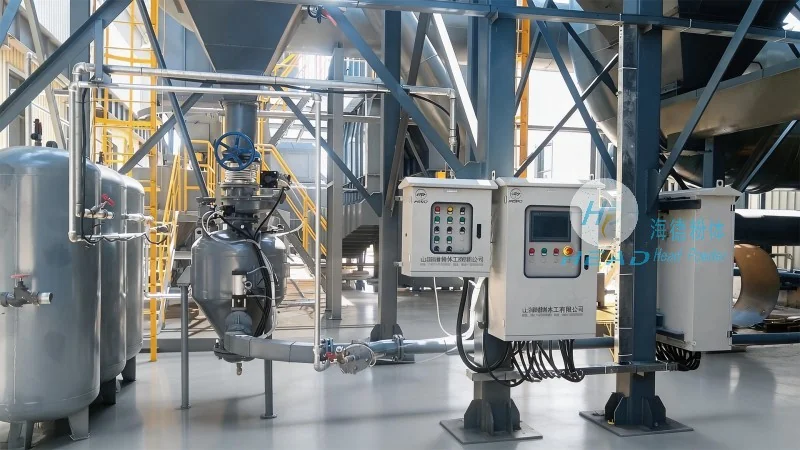
Understanding the Fundamentals of Melamine Powder Pneumatic Conveying
Melamine powder, known for its high bulk density and potential for static electricity, requires specialized handling to prevent caking, blockages, and loss of material. Pneumatic conveying systems use air or gas to transport bulk materials through a pipeline network, offering advantages such as dust control, reduced labor costs, and the ability to transport materials over long distances. The first step in designing a system is to analyze the physical and chemical properties of the melamine powder, including particle size distribution, moisture content, and flowability. These characteristics directly influence the selection of the conveying method—whether it's a pressure or vacuum system—and the required air velocity and pressure levels.
Key Factors in System Design: From Material Properties to Operational Requirements
When designing a melamine powder pneumatic conveying system, several critical factors must be considered to ensure optimal performance. The first is the material's particle size and density, as larger particles may require higher air velocities to maintain flow, while finer particles can lead to increased friction and potential for blockages. Moisture content is another critical factor, as excess moisture can cause clumping and reduce the system's efficiency. Additionally, the system must be designed to handle the specific flow rate and batch size required by the production process, ensuring that the conveying capacity matches the plant's throughput. The choice between pressure and vacuum systems also depends on the application: pressure systems are typically used for short to medium distances and require a positive pressure source, while vacuum systems are suitable for longer distances and can draw material from multiple sources.
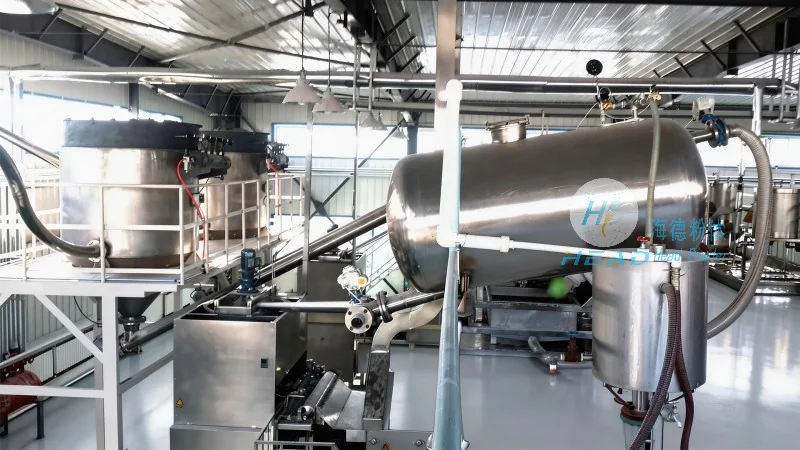
Equipment Selection: Compressors, Conveyors, and Separators
The core components of a pneumatic conveying system include the air compressor, conveying line, and separation equipment. The compressor must be selected based on the required air volume and pressure, with considerations for the system's total pressure drop and the need for energy efficiency. For melamine powder, a positive displacement compressor is often preferred due to its ability to maintain consistent pressure and airflow, even with varying load conditions. The conveying line, typically made of stainless steel or other corrosion-resistant materials, must be sized to handle the material's flow characteristics and prevent pressure losses. Separation equipment, such as cyclones or filters, is essential to remove the powder from the air stream and prevent contamination of the environment. The selection of these components is critical, as improper equipment can lead to system inefficiencies, increased maintenance, and product degradation.
System Layout and Flow Path Design
The layout of the pneumatic conveying system significantly impacts its performance and reliability. The design should minimize the number of bends and changes in direction, as these can cause pressure losses and increase the risk of blockages. The system should also be designed to allow for easy maintenance and cleaning, with access points for inspection and repair. The flow path should be optimized to ensure that the material is conveyed smoothly from the source to the destination, with minimal dead zones or areas where material can accumulate. For melamine powder, a straight-line or gently curved path is preferred to prevent particle separation and maintain consistent flow.
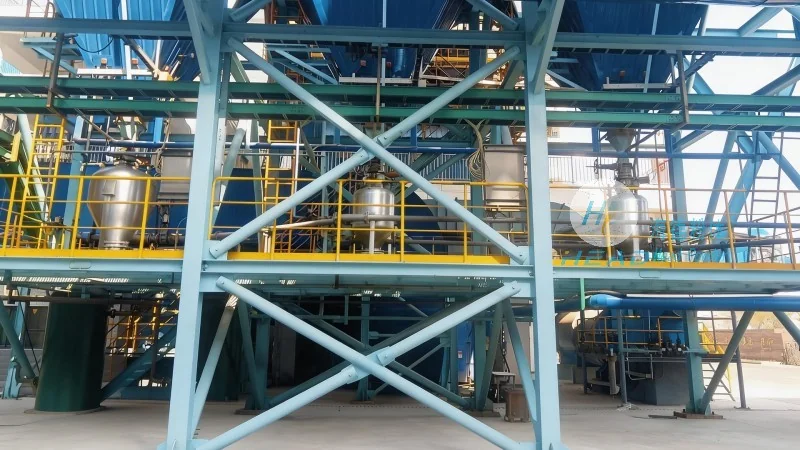
Integration with Production Processes: Ensuring Seamless Operation
A well-designed pneumatic conveying system must integrate seamlessly with the existing production processes to avoid disruptions and ensure smooth material flow. This involves coordinating with other equipment, such as hoppers, mixers, and storage tanks, to ensure that the system can handle the required material volume and batch sizes. The system should also be equipped with monitoring and control devices to track performance, detect issues, and adjust parameters as needed. For example, pressure sensors can be used to monitor the system's pressure drop, while flow meters can track the material's throughput. These controls help maintain system efficiency and prevent overloading or underloading, which can lead to system failure or product quality issues.
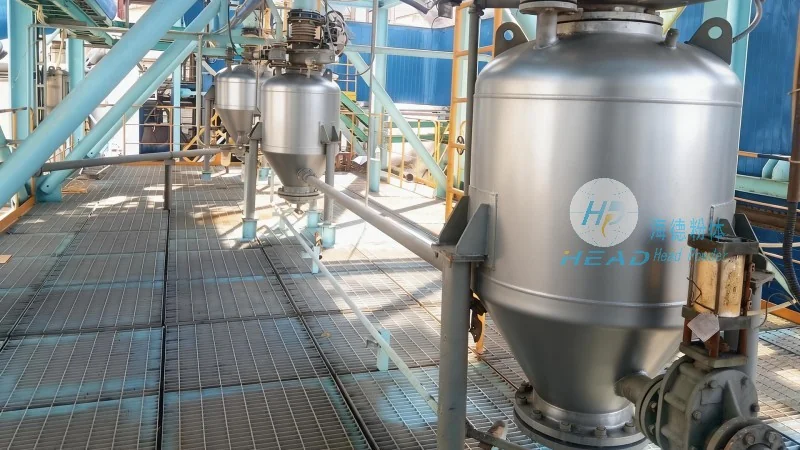
Maintenance and Troubleshooting: Keeping the System Running Efficiently
Regular maintenance is essential to ensure the long-term performance and reliability of a melamine powder pneumatic conveying system. This includes cleaning the conveying line and separation equipment to prevent clogging, checking the compressor and other components for wear and tear, and replacing filters and seals as needed. Troubleshooting common issues, such as blockages or pressure drops, is also important to minimize downtime. For example, if a blockage occurs, the system should be shut down and cleared immediately to prevent further damage. Regular inspections and maintenance schedules can help identify potential problems before they become major issues, ensuring that the system operates at peak efficiency.
About Shandong HeadPowder Engineering Co., Ltd.
Shandong HeadPowder Engineering Co., Ltd., a leading provider of bulk material handling solutions, specializes in designing and manufacturing pneumatic conveying systems for a wide range of industrial applications. With years of experience in the industry, HeadPowder has developed a deep understanding of material properties and system design, enabling them to provide customized solutions that meet the specific needs of their clients. The company's team of engineers and technicians work closely with clients to analyze their requirements, develop system designs, and provide installation and maintenance services. HeadPowder's commitment to quality and customer satisfaction has made them a trusted partner for many industrial companies, helping them improve their operational efficiency and reduce costs.




