HeadPowder, a leading engineering firm based in Shandong, China, specializes in the design and implementation of advanced material handling solutions. This article delves into the core principles and operational characteristics of a copper powder material pneumatic conveying system, a critical technology for efficient and safe transportation of fine powders like copper powder.
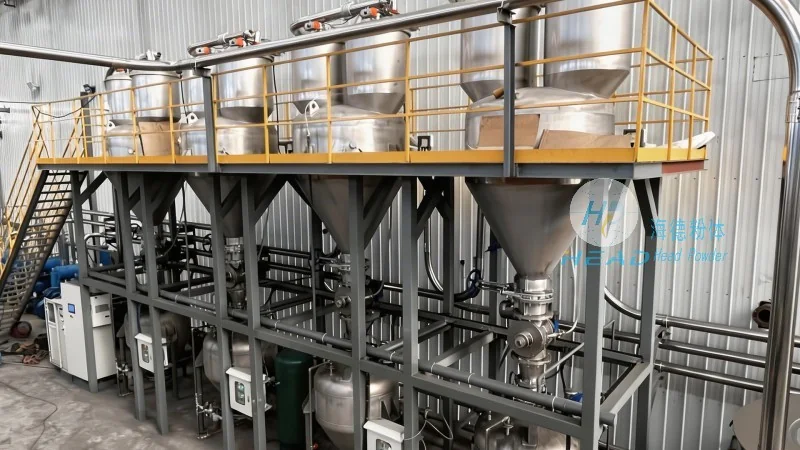
Introduction to Copper Powder Pneumatic Conveying Systems
A copper powder material pneumatic conveying system is a sophisticated setup that utilizes air or gas to transport copper powder from one location to another. This method is particularly advantageous for handling copper powder due to its light weight, high reactivity, and the need for contamination-free handling. The system operates by creating a pressure differential or using vacuum to move the powder through a pipeline network, ensuring minimal product degradation and efficient transfer.
Core Principles of Pneumatic Conveying
The fundamental principle of a pneumatic conveying system is the use of air flow to entrain and transport particulate material. In the case of copper powder, the system typically employs either positive pressure or negative pressure (vacuum) to move the material. Positive pressure systems force air through the pipeline, carrying the copper powder, while negative pressure systems create a vacuum that draws the powder into the system. The choice between these systems depends on factors such as the distance of transport, the volume of material, and the need for dust control.
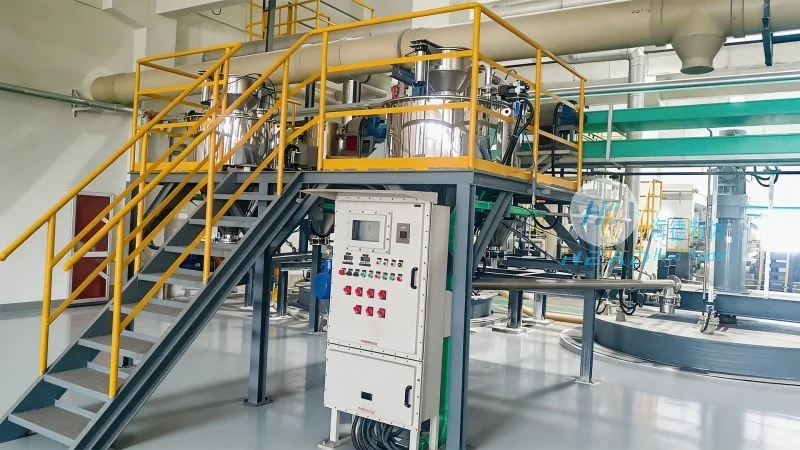
Key Components and Their Functions
A typical copper powder pneumatic conveying system consists of several key components, each playing a vital role in the overall operation. These include the material feeder, which ensures a consistent flow of copper powder into the system; the conveying line, which transports the powder; the air compressor or vacuum pump, which provides the necessary air flow; and the control system, which regulates the pressure and flow rates. Additionally, the system may include filters and dust collectors to prevent copper powder from escaping into the environment and to maintain air quality.
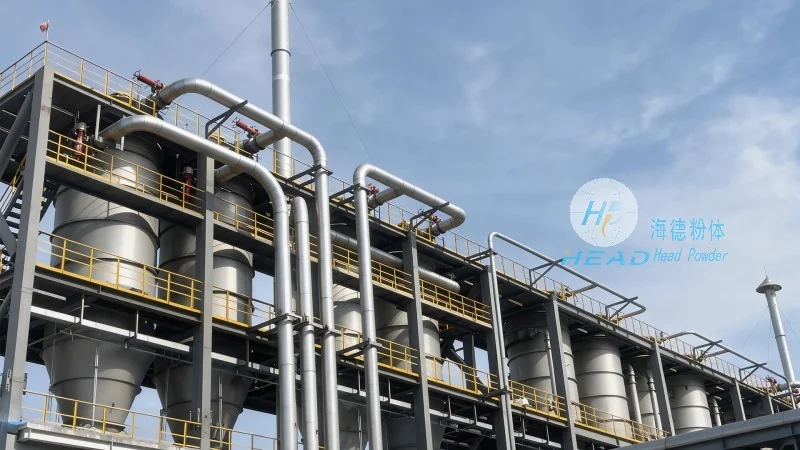
Working Scene Characteristics
The working scene characteristics of a copper powder pneumatic conveying system are tailored to the specific requirements of copper powder handling. For instance, the system is designed to handle the fine particle size of copper powder, which can be prone to agglomeration and dust generation. The pipeline design, including the use of smooth, corrosion-resistant materials like stainless steel, minimizes friction and prevents particle buildup. The system also incorporates features such as pulse-jet cleaning to maintain pipeline efficiency and prevent blockages. Furthermore, the system is equipped with safety features to handle the potential hazards associated with copper powder, such as dust explosions, ensuring a safe working environment.
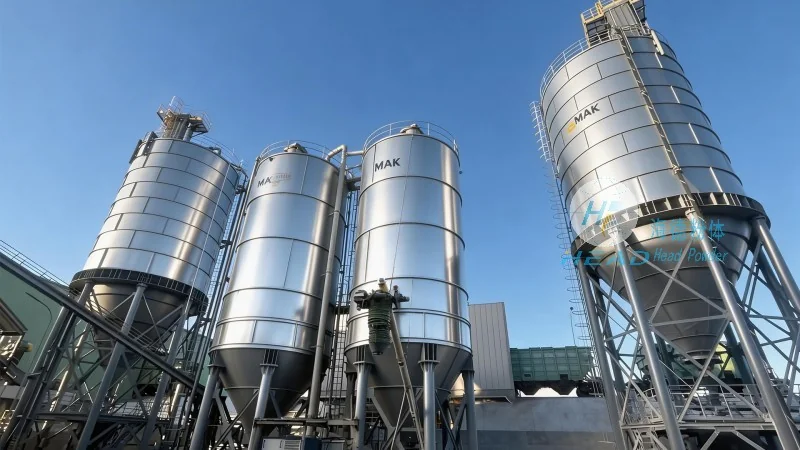
Advantages and Applications
The copper powder material pneumatic conveying system offers several advantages over traditional material handling methods. It provides a dust-free and enclosed transport process, which is crucial for copper powder due to its potential for dust explosions and contamination. The system also offers high efficiency in terms of material transfer, with minimal product loss and reduced labor costs. Additionally, the system is flexible and can be adapted to various production environments, making it suitable for a wide range of applications in the copper processing industry, including mining, smelting, and manufacturing.
Conclusion
In conclusion, the copper powder material pneumatic conveying system is a highly effective and efficient solution for handling copper powder. By understanding the core principles and working scene characteristics of this system, industries can optimize their material handling processes, ensuring safety, productivity, and compliance with environmental regulations. HeadPowder, with its expertise in engineering and material handling, continues to provide innovative solutions that meet the evolving needs of the copper processing industry.




