For industrial applications involving the handling of pulverized fly ash, efficient material transport is crucial. Pneumatic conveying systems offer a reliable solution for moving these fine particles from one location to another, ensuring smooth operations and maintaining material integrity. This article explores the fundamental principles behind such systems and highlights the key characteristics of their operational environments.
Understanding the Core Principles of Pneumatic Conveying for Fly Ash
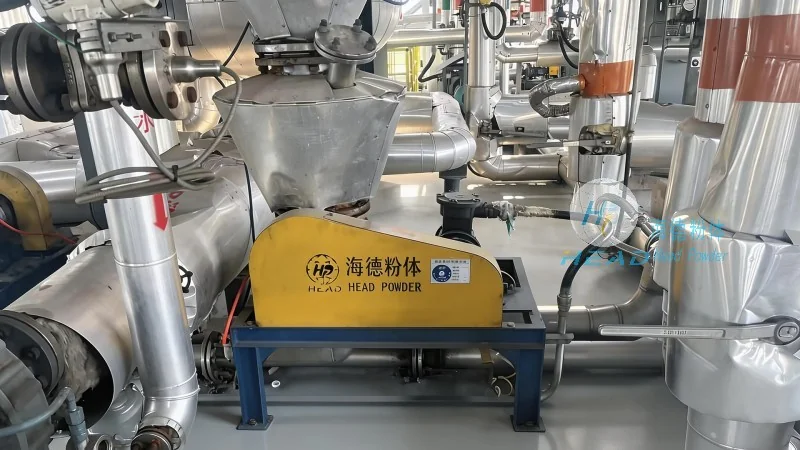
The pneumatic conveying system for fly ash particles operates on the principle of using air as a medium to transport solid materials. By creating a pressure differential or utilizing vacuum, the system draws or pushes the fly ash through a pipeline network. This method eliminates the need for mechanical components like buckets or belts, reducing maintenance requirements and minimizing the risk of material contamination. The system typically consists of a blower or vacuum pump, a hopper for material storage, a pipeline system, and a discharge point. The air flow rate and pressure are carefully controlled to ensure optimal particle transport, preventing issues such as clogging or uneven distribution.
Key Working Scene Characteristics of the System
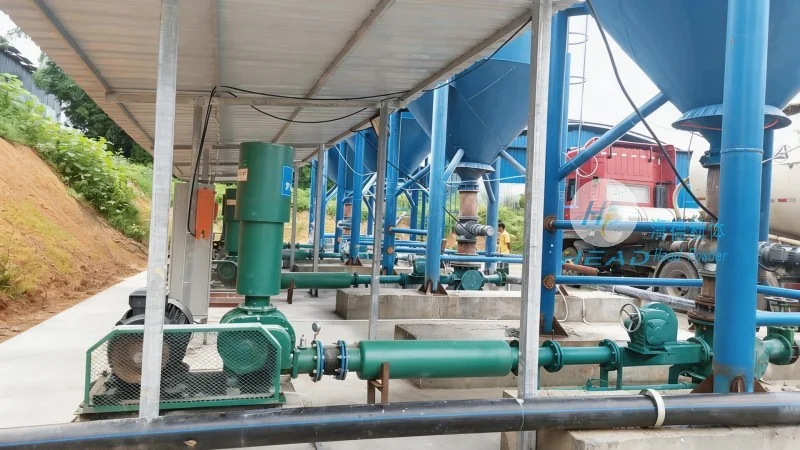
The operational environment of a pneumatic conveying system for fly ash is defined by several critical factors that influence its performance and efficiency. First, the particle size and density of the fly ash play a significant role. Fine particles require higher air velocities to maintain suspension, while larger particles may need adjustments to the air flow to prevent settling. Second, the system's layout and the distance between the source and destination points affect the overall design. Longer conveying distances may necessitate multiple stages or booster units to maintain sufficient pressure. Third, the ambient conditions, including temperature and humidity, can impact the system's performance. High humidity levels may cause moisture absorption by the fly ash, potentially leading to blockages or corrosion in the pipeline. Proper environmental controls, such as drying or heating the air, are often implemented to mitigate these effects.
Application Scenarios and Industry Relevance
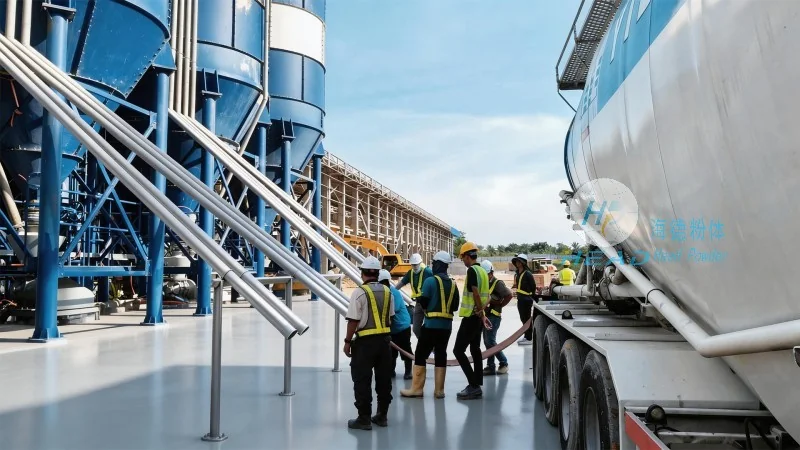
Pneumatic conveying systems are widely used in various industrial settings where fly ash is a byproduct of coal combustion. These applications include power plants, cement manufacturing facilities, and waste management sites. In power plants, the system efficiently transports fly ash from the boiler to storage silos or disposal sites, ensuring that the material is handled safely and without environmental contamination. In cement plants, the fly ash is often used as a supplementary cementitious material, and the conveying system plays a vital role in integrating it into the production process. The system's ability to handle large volumes of fine particles at high speeds makes it an ideal choice for these applications, contributing to increased productivity and reduced operational costs.
About HeadPowder: A Leader in Pneumatic Conveying Solutions
Shandong HeadPowder Engineering Co., Ltd., based in China, specializes in the design, manufacturing, and installation of advanced pneumatic conveying systems tailored to the specific needs of industrial clients. With years of experience in the field, HeadPowder has developed a reputation for delivering high-quality, reliable solutions that meet the most demanding operational requirements. The company's expertise lies in understanding the unique challenges of handling materials like fly ash and providing customized systems that ensure optimal performance and longevity. By leveraging cutting-edge technology and rigorous quality control processes, HeadPowder ensures that its systems are built to withstand the rigors of continuous operation, providing clients with a cost-effective and sustainable solution for material transport.




