HeadPowder, a leading engineering company based in Shandong, China, specializes in the design and implementation of advanced pneumatic conveying systems tailored for handling paddy husk powder. This article delves into the fundamental principles behind such systems and highlights the key characteristics of their operational scenarios, providing a comprehensive overview for industry professionals and potential clients.
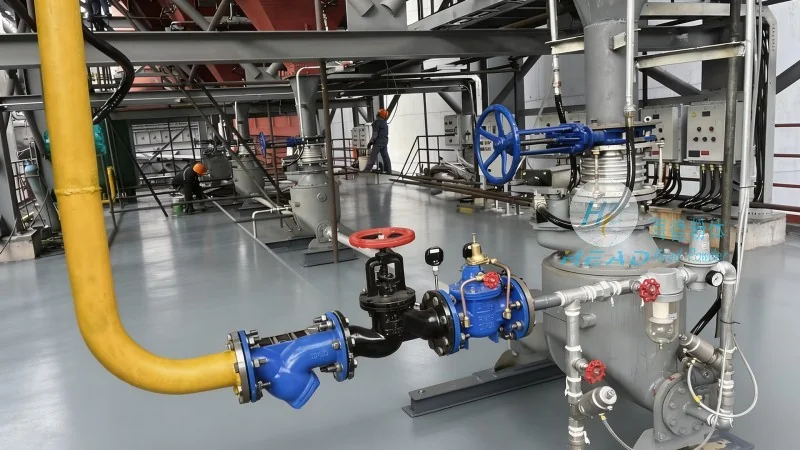
Company Overview and Expertise
HeadPowder Engineering Co., Ltd., headquartered in Shandong, China, is a reputable enterprise dedicated to delivering innovative solutions in material handling and processing. With years of experience in the field, the company has established itself as a trusted partner for businesses requiring efficient and reliable pneumatic conveying systems. The company's commitment to quality, technological advancement, and customer satisfaction underpins its reputation in the industry. HeadPowder leverages cutting-edge engineering techniques and industry best practices to develop customized solutions that meet the unique needs of each client, ensuring optimal performance and long-term reliability.
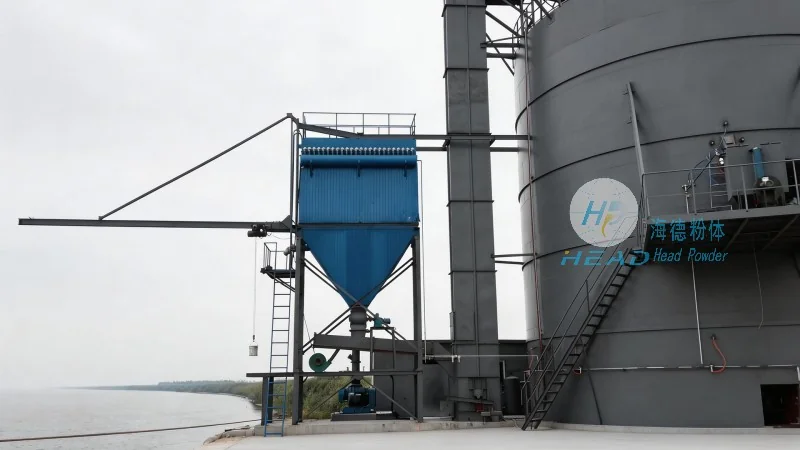
The Principle of Pneumatic Conveying for Paddy Husk Powder
Pneumatic conveying systems utilize air or gas to transport bulk materials like paddy husk powder through a pipeline network. The core principle involves creating a pressure differential between the material source and the destination, enabling the material to be carried by the moving air stream. There are two primary types of pneumatic conveying systems: positive pressure and negative pressure. Positive pressure systems operate by blowing air into the conveying line, pushing the material forward, while negative pressure systems create a vacuum to draw material into the line. For paddy husk powder, which is typically light, fine, and prone to dust, positive pressure systems are often preferred due to their ability to maintain consistent flow rates and minimize material degradation. The system typically consists of a blower, a hopper for material storage, a conveying line, and a receiver for the destination material. The blower generates the necessary air pressure to move the powder, and the hopper ensures a continuous supply of material. The conveying line is designed with appropriate diameter and length to accommodate the material's properties and the required conveying distance. The receiver collects the material at the end of the line, often equipped with filters to prevent dust from escaping into the environment.
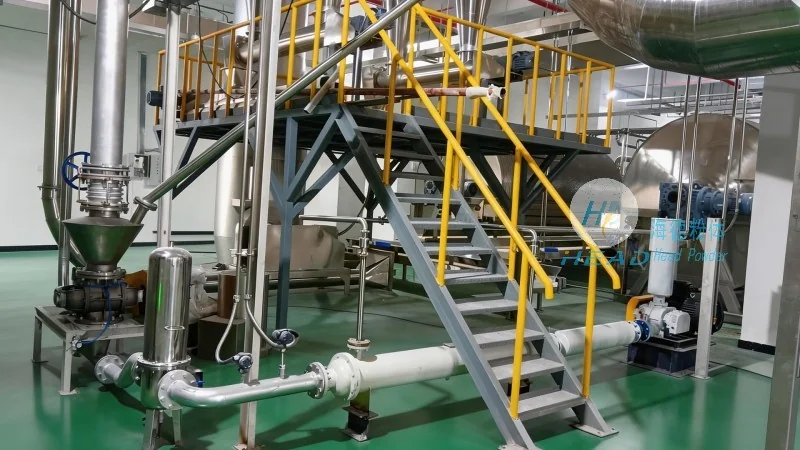
Key Characteristics of Working Scenarios
The operational scenarios for paddy husk powder pneumatic conveying systems vary based on the application and process requirements. These systems are commonly employed in industrial settings where paddy husk is processed into biofuels, animal feed, or other value-added products. The working environment may include raw material handling, intermediate processing, or final product packaging. In raw material handling, the system efficiently transports paddy husk from storage silos or collection points to processing units, ensuring a continuous and dust-free flow. During intermediate processing, such as grinding or mixing, the pneumatic system can transport the powder to mixing tanks or storage vessels, maintaining product integrity and preventing contamination. For final product packaging, the system delivers the processed paddy husk powder to packaging lines, enabling automated and precise filling operations. Each scenario demands specific system configurations, such as varying blower capacity, line diameter, or filter efficiency, to achieve optimal performance. For example, in a large-scale biofuel plant, the system may need to handle high volumes of paddy husk over long distances, requiring a high-capacity positive pressure blower and a robust pipeline network. In contrast, a smaller animal feed facility may use a compact system with a lower conveying capacity, tailored to the plant's production scale.
Advantages and Performance Metrics
Implementing a pneumatic conveying system for paddy husk powder offers several advantages over traditional mechanical conveying methods. Firstly, it eliminates the need for moving parts in the conveying line, reducing maintenance costs and minimizing the risk of material blockages or wear. This is particularly beneficial for paddy husk powder, which can be abrasive and prone to clogging in mechanical systems. Secondly, the system provides a dust-free and hygienic environment, which is crucial for food and animal feed applications. The enclosed pipeline design prevents dust from dispersing into the air, ensuring compliance with health and safety regulations. Thirdly, it enables high-velocity and low-pressure operation, resulting in energy efficiency and reduced operational costs. Performance metrics such as conveying capacity, pressure drop, and material velocity are carefully optimized to ensure the system operates within the desired parameters. For instance, a typical paddy husk powder pneumatic conveying system may achieve a conveying capacity of several tons per hour, with pressure drops kept within acceptable limits to maintain energy efficiency. The system's efficiency is further enhanced by using high-efficiency blower units and optimized pipeline design, which minimize energy consumption while maximizing material transport.
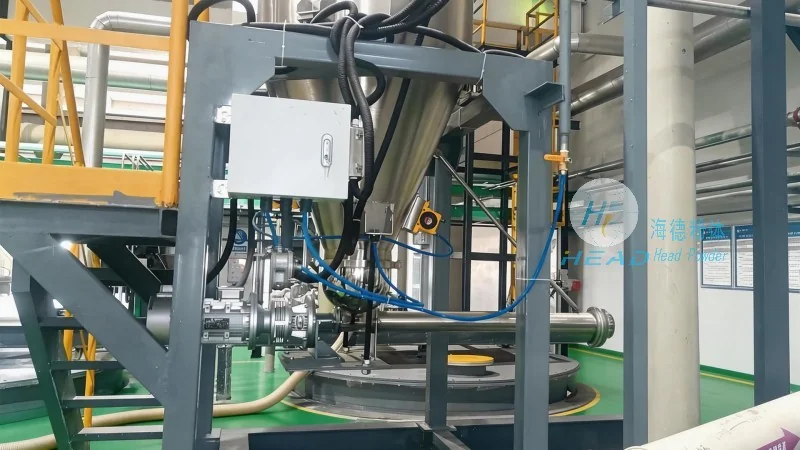
Application Examples and Industry Impact
Real-world applications of paddy husk powder pneumatic conveying systems illustrate their effectiveness in various industrial processes. In a biofuel production facility, the system transports paddy husk from storage silos to a gasification unit, where it is converted into bio-gas. The consistent flow of material ensures stable operation of the gasification process, leading to higher energy yields. The system's ability to handle large volumes of paddy husk without interruption improves the overall productivity of the plant. In an animal feed manufacturing plant, the system delivers paddy husk powder to mixing machines, where it is combined with other ingredients to produce balanced feed. The precision and reliability of the pneumatic system help maintain product quality and meet regulatory standards. For instance, the system can deliver the powder at a controlled rate, ensuring the final feed has the correct moisture content and nutrient composition. These examples highlight how the system enhances operational efficiency, reduces downtime, and improves overall productivity in paddy husk processing industries. By streamlining material transport, the system allows manufacturers to focus on their core processes, leading to cost savings and increased competitiveness.




