

What is a Molybdenum Trioxide Powder Pneumatic Conveying System? And What Are Its Design Principles?
Shandong HeadPowder Engineering Co., Ltd., a leading enterprise in powder processing technology, is headquartered in Shandong, China. The company specializes in providing efficient and reliable solutions for industrial powder conveying, particularly for high-value or special powder materials such as molybdenum trioxide (MoO3). This article explores the concept of a molybdenum trioxide powder pneumatic conveying system and its underlying design principles, highlighting the technology's role in modern industrial applications.
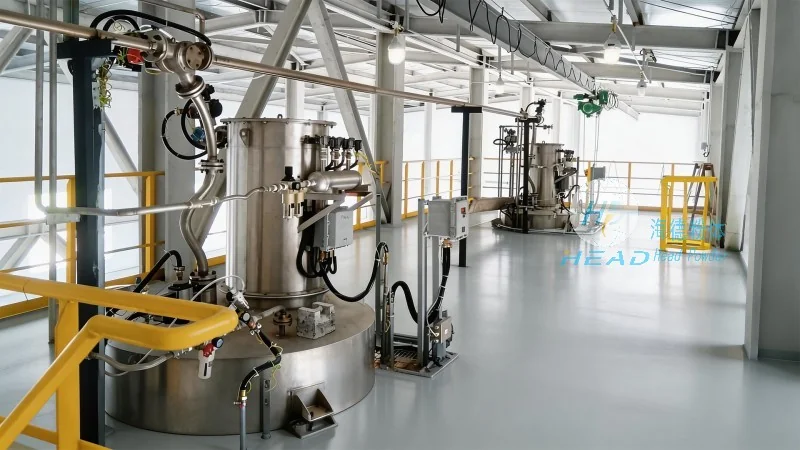
Understanding Molybdenum Trioxide Powder Pneumatic Conveying Systems
A molybdenum trioxide powder pneumatic conveying system is a type of equipment designed to transport fine powder particles, like molybdenum trioxide, through a pipeline using a stream of compressed air or other gas. This method, known as pneumatic conveying, offers a non-contact, low-loss way to move powders from the source to the destination. For molybdenum trioxide, which is often used in high-purity applications such as catalysts or electronic materials, traditional contact-based conveying methods may introduce contamination or degrade the material's quality. The pneumatic system addresses these challenges by keeping the powder isolated from external surfaces.
The Core Design Principles of Pneumatic Conveying Systems
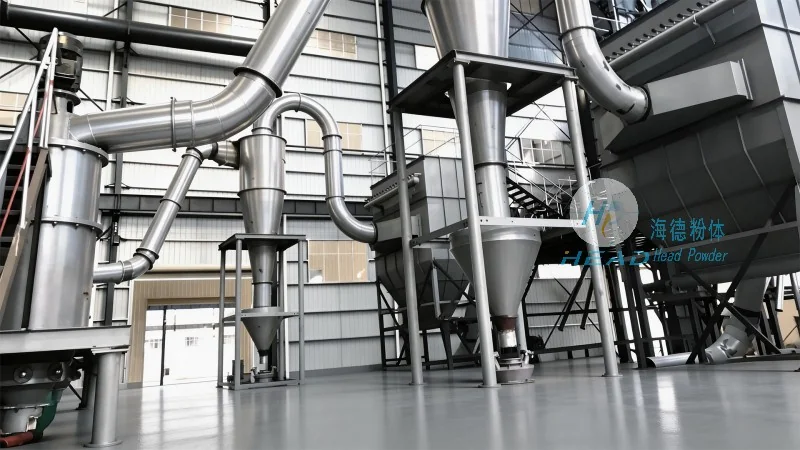
The design of a molybdenum trioxide powder pneumatic conveying system involves several key components and principles to ensure stable and efficient operation. The primary components typically include a feeding device, a conveying pipeline, a gas-solid separation unit, and a receiving container. The feeding device, such as a rotary valve or a hopper, uniformly introduces the molybdenum trioxide powder into the pipeline. Compressed air is then introduced into the pipeline, creating a high-velocity gas stream that carries the powder particles forward. The gas-solid separation unit, often a cyclone separator or a bag filter, separates the powder from the gas stream, allowing the powder to be collected in the receiving container while the gas is either recirculated or vented.
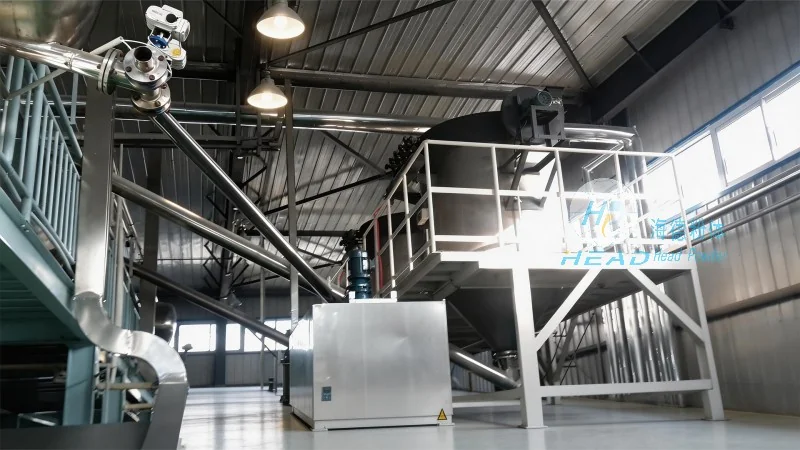
Designing such a system requires careful consideration of several factors. The density, particle size distribution, and flowability of the molybdenum trioxide powder are critical. These properties determine the required air velocity, pressure, and pipeline diameter to achieve optimal conveying efficiency. The system must also be designed to handle the specific characteristics of MoO3, such as its tendency to agglomerate or its sensitivity to moisture. Engineers at Shandong HeadPowder Engineering Co., Ltd. leverage advanced computational fluid dynamics (CFD) and material science knowledge to tailor the system's design to the unique needs of each application.
Advantages of Pneumatic Conveying for Molybdenum Trioxide
Compared to traditional conveying methods like belt conveyors or bucket elevators, pneumatic conveying offers several advantages for transporting molybdenum trioxide. First, it eliminates direct contact between the powder and the conveying equipment, reducing the risk of contamination and minimizing material loss. This is particularly important for high-purity applications where even trace impurities can affect the final product's performance. Second, the system provides flexibility in layout, allowing it to be integrated into existing production lines with minimal modifications. Third, pneumatic conveying can handle long-distance and complex routing, making it suitable for multi-stage production processes.
Applications in Industrial Settings
Molybdenum trioxide powder pneumatic conveying systems are widely used in various industrial sectors. In the chemical industry, they are employed in the production of molybdenum compounds, where MoO3 is often transferred from reaction vessels to downstream processing units. In the metallurgical industry, the system aids in the recovery and purification of molybdenum from ores. In the electronics industry, high-purity molybdenum trioxide is used to manufacture thin films and ceramic components, and the pneumatic system ensures that the material remains uncontaminated during transport. HeadPowder's systems are tailored to meet the specific requirements of each application, ensuring that the conveying process aligns with the production workflow and quality standards.
Conclusion
The molybdenum trioxide powder pneumatic conveying system represents a sophisticated solution for handling fine powders in industrial settings. By leveraging the principles of gas-solid flow and advanced engineering, the system provides an efficient, clean, and reliable method for transporting molybdenum trioxide. Shandong HeadPowder Engineering Co., Ltd. continues to innovate in this field, offering customized solutions that enhance production efficiency and product quality for clients worldwide.