

What is a Ammonium Bicarbonate Powder Pneumatic Conveying System? And What Are Its Design Principles
Ammonium bicarbonate, a widely used chemical in various industrial applications, often requires efficient and reliable transportation methods. The Ammonium Bicarbonate Powder Pneumatic Conveying System is a specialized solution designed to handle the unique properties of this material, ensuring safe and effective movement from source to destination. This article explores the fundamental aspects of such systems, focusing on their design principles and operational effectiveness.
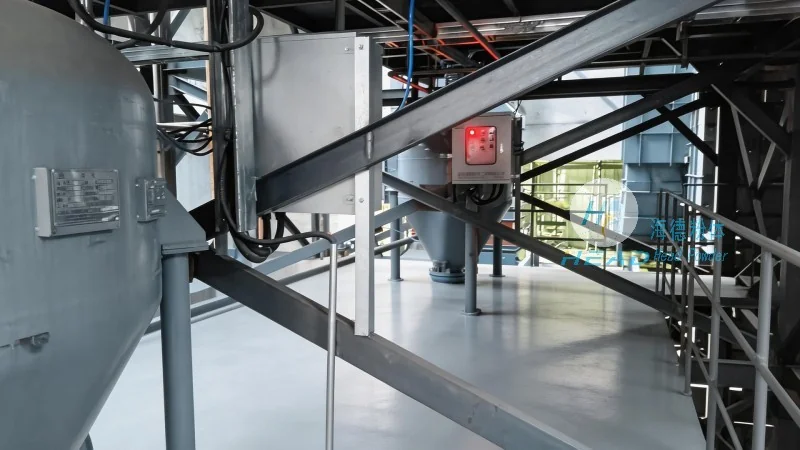
HeadPowder: Your Expert in Pneumatic Conveying Solutions
Shandong HeadPowder Engineering Co., Ltd., a leading provider of advanced material handling technologies, specializes in the design, manufacturing, and implementation of pneumatic conveying systems tailored to the needs of chemical industries. With a strong commitment to innovation and quality, HeadPowder has established itself as a trusted partner for companies dealing with ammonium bicarbonate and other fine powders. The company's headquarters is located in Shandong, China, where it leverages local expertise and resources to deliver cutting-edge solutions.
Understanding the Ammonium Bicarbonate Powder Pneumatic Conveying System
The Ammonium Bicarbonate Powder Pneumatic Conveying System is a technology that uses compressed air or other gas to transport dry powders, including ammonium bicarbonate, through a pipeline network. This method offers several advantages over traditional mechanical conveying systems, such as reduced risk of material contamination, lower maintenance requirements, and the ability to handle materials in a closed environment, which is crucial for chemicals like ammonium bicarbonate that may be sensitive to moisture or air exposure.
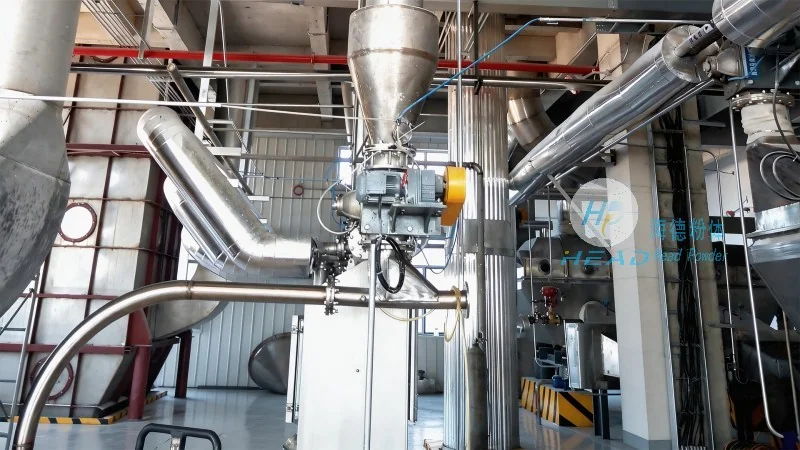
Key Design Principles of the System
The design of an ammonium bicarbonate powder pneumatic conveying system involves several critical principles to ensure optimal performance and safety. First, the system must be capable of handling the specific flow characteristics of ammonium bicarbonate, which is a fine powder with a relatively low bulk density. This requires careful selection of equipment, such as the type of air compressor, the size of the conveying line, and the design of the hopper and feed mechanism. Second, the system must maintain a consistent air pressure and flow rate to prevent clogging or uneven material distribution. This is achieved through the use of pressure regulators, flow meters, and control valves that allow for precise adjustments based on the material's properties and the system's operational conditions.
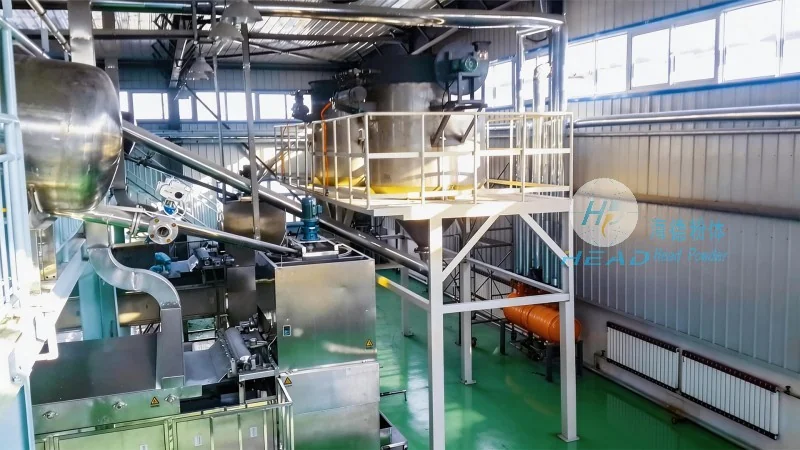
Components and Operational Mechanism
The Ammonium Bicarbonate Powder Pneumatic Conveying System typically consists of several key components, each playing a vital role in the overall operation. The primary components include a hopper for material storage, a feeder to control the flow of ammonium bicarbonate into the system, a conveying line (usually made of stainless steel to resist corrosion from the chemical), an air compressor to generate the necessary pressure, and a receiver or discharge point where the material is deposited. The operational mechanism involves the feeder releasing a controlled amount of ammonium bicarbonate into the conveying line, while the air compressor injects compressed air to create a flow that carries the powder particles through the pipeline. The air and powder mixture then travels to the receiver, where the air is separated from the material, often using a cyclone separator or a filter, and the ammonium bicarbonate is collected for further processing or use.
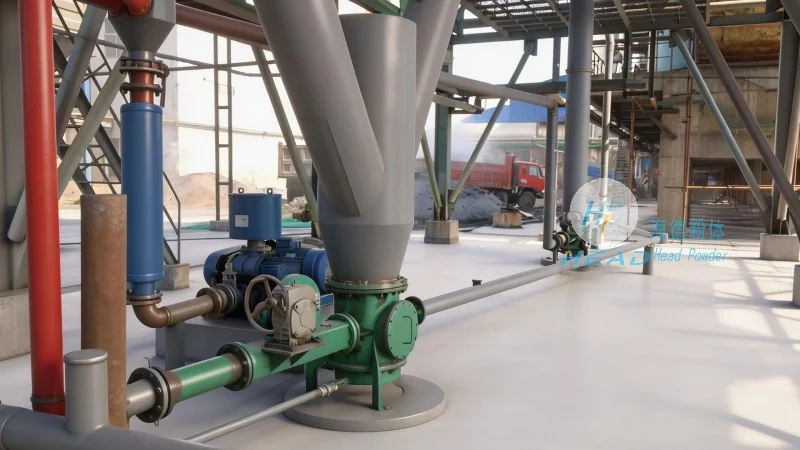
Advantages and Applications
Implementing an ammonium bicarbonate powder pneumatic conveying system offers numerous benefits for industrial operations. These include improved safety by eliminating the need for manual handling of powders, reduced product loss due to minimal material spillage, and enhanced process efficiency through consistent material flow rates. The system is particularly suitable for applications in the chemical, food, and pharmaceutical industries, where the handling of fine powders requires precision and reliability. For example, in the production of ammonium bicarbonate-based products, such as baking powders or agricultural fertilizers, the pneumatic conveying system ensures that the material is transported without degradation, maintaining its quality and effectiveness.
Conclusion and Future Considerations
In conclusion, the Ammonium Bicarbonate Powder Pneumatic Conveying System is a sophisticated and efficient solution for the transportation of this important chemical. Its design principles, centered on material properties, operational control, and safety, make it an ideal choice for industries that require reliable and clean material handling. As technology advances, there is a continuous focus on improving the performance of these systems, such as developing more energy-efficient air compressors and enhancing the durability of conveying components. Companies like Shandong HeadPowder Engineering Co., Ltd. remain at the forefront of these developments, providing customized solutions that meet the evolving needs of the industry.