For industrial applications requiring efficient and reliable material handling, dust pneumatic conveying systems offer a versatile solution. Proper design is crucial to ensure optimal performance, minimize operational issues, and maximize system longevity. This article outlines key design considerations for dust pneumatic conveying systems, emphasizing practical insights from industry leaders like Shandong HeadPowder Engineering Co., Ltd., a company specializing in engineering solutions for material handling.
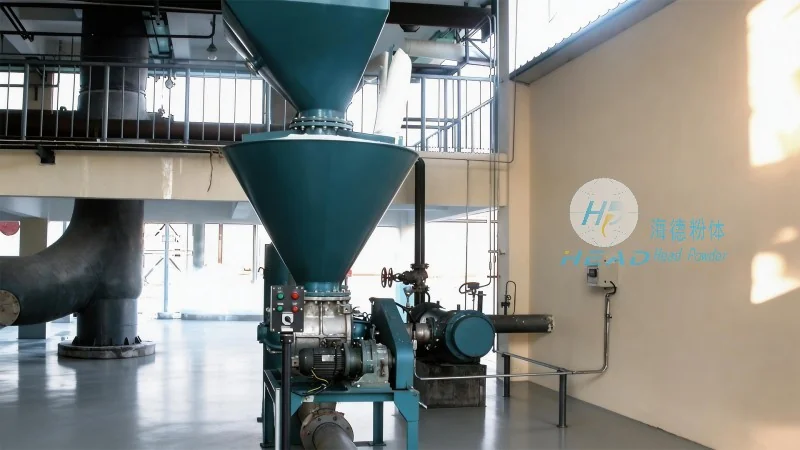
System Type Selection: Positive Pressure vs. Negative Pressure
Choosing the right system type is the first critical step in designing a dust pneumatic conveying system. Positive pressure systems, where air is forced through the system, are ideal for applications requiring high pressure and long-distance transport. They are commonly used for transporting fine powders over distances of several hundred meters. Negative pressure systems, on the other hand, draw material into the system using suction, making them suitable for applications where dust containment and low noise levels are priorities. The choice between these systems depends on factors such as the material's properties, transport distance, and environmental regulations. Shandong HeadPowder Engineering Co., Ltd. advises evaluating these factors carefully to select the most appropriate system type for a specific application.
Pressure and Flow Rate Optimization
Optimizing pressure and flow rate is essential for efficient dust pneumatic conveying. The pressure required depends on the material's density, particle size, and the system's layout. Higher pressure systems are generally more effective for transporting cohesive or high-density powders, while lower pressure systems may suffice for lighter, free-flowing materials. The flow rate must be balanced to avoid excessive wear on components and to maintain consistent material transport. Overly high flow rates can lead to increased energy consumption and system wear, while insufficient flow rates may cause blockages or uneven material distribution. Engineers at Shandong HeadPowder Engineering Co., Ltd. recommend conducting thorough material testing and system simulations to determine the optimal pressure and flow rate parameters for a given application.
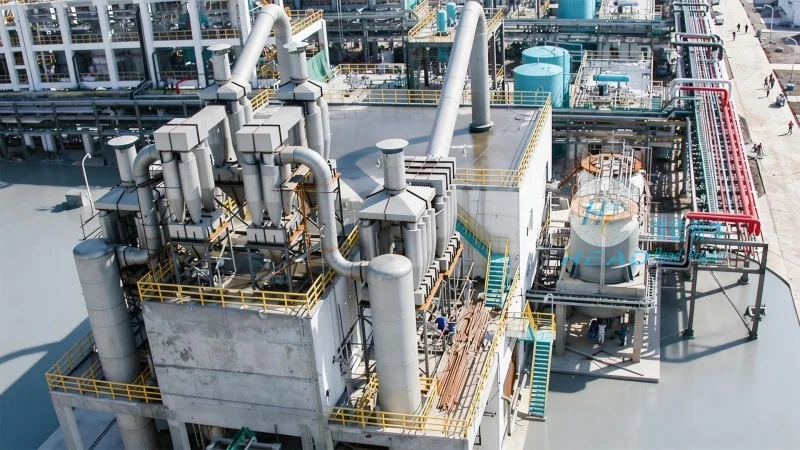
Pipeline Design and Layout
The design of the pipeline system significantly impacts the performance of a dust pneumatic conveying system. Proper pipeline layout minimizes pressure losses and ensures smooth material flow. Key considerations include the use of appropriate pipe diameters, elbows, and bends to accommodate the material's flow characteristics. Elbows and bends should be designed to minimize turbulence and reduce wear on the system components. Additionally, the pipeline should be properly supported to prevent sagging, which can lead to blockages or increased pressure drops. Shandong HeadPowder Engineering Co., Ltd. emphasizes the importance of a well-designed pipeline layout, as it directly affects the system's efficiency and reliability. Properly sized and positioned components, such as airlocks and cyclones, are also critical for maintaining system performance.
Material Characteristics and Handling
The properties of the material being conveyed play a vital role in system design. Factors such as particle size, density, moisture content, and cohesive properties influence the choice of system components and operating parameters. For example, fine powders with high moisture content may require additional drying or conditioning steps to prevent caking or blockages. Materials with high abrasiveness demand the use of wear-resistant materials for components like pipelines and valves. Shandong HeadPowder Engineering Co., Ltd. recommends conducting comprehensive material analysis to understand its characteristics and select the appropriate system design. This includes testing for flowability, compressibility, and abrasiveness to ensure the system can handle the material effectively.
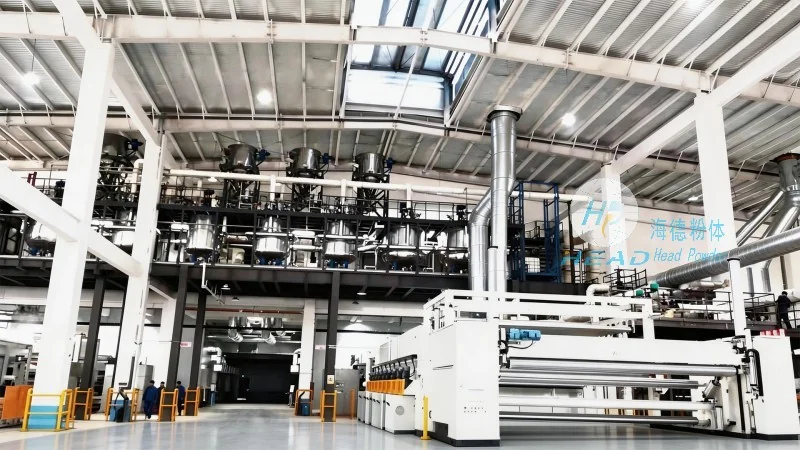
Equipment Selection and Integration
Selecting the right equipment is crucial for the success of a dust pneumatic conveying system. Key components include the blower or vacuum pump, airlocks, cyclones, and control systems. The blower or pump must be capable of delivering the required pressure and flow rate while maintaining energy efficiency. Airlocks are used to separate the material from the air stream, preventing material loss and ensuring consistent flow. Cyclones are essential for separating the conveyed material from the air, allowing for recycling or disposal of the material. The integration of these components must be seamless to ensure smooth operation. Shandong HeadPowder Engineering Co., Ltd. provides expertise in selecting and integrating these components, ensuring that the system is tailored to the specific needs of the application.
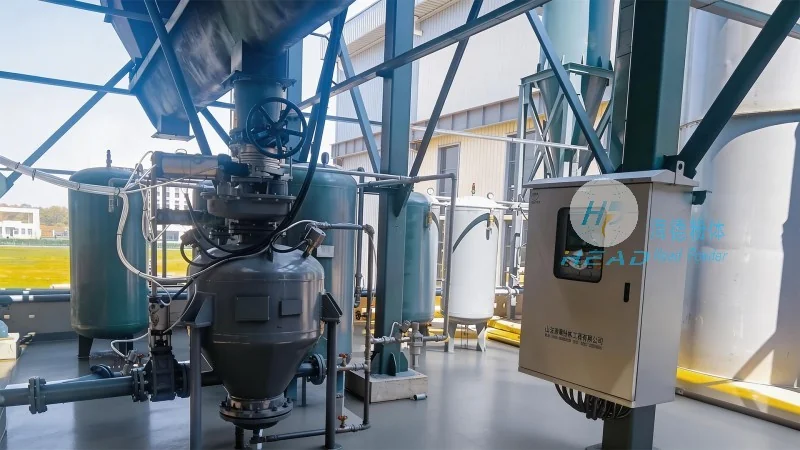
System Maintenance and Safety
Proper maintenance and safety measures are essential for the long-term operation of a dust pneumatic conveying system. Regular maintenance, including cleaning of pipelines and components, checking for wear, and inspecting seals, helps prevent system failures and extends the system's lifespan. Safety considerations include proper dust containment to prevent inhalation of fine particles and ensuring that the system is designed to comply with local regulations. Shandong HeadPowder Engineering Co., Ltd. emphasizes the importance of a comprehensive maintenance plan and safety protocols to ensure the system operates safely and efficiently. This includes regular inspections, maintenance schedules, and training for operators on proper system operation and safety procedures.
Case Study: Successful Implementation by Shandong HeadPowder Engineering Co., Ltd.
Shandong HeadPowder Engineering Co., Ltd. has successfully implemented dust pneumatic conveying systems for various industrial applications. For example, a client in the pharmaceutical industry required a system to transport fine powders over a distance of 500 meters while maintaining high levels of dust containment. The company designed a positive pressure system with optimized pressure and flow rates, using wear-resistant materials for the pipeline and cyclones. The system was integrated with advanced control systems to monitor performance and adjust parameters as needed. The result was a reliable and efficient system that met the client's requirements, demonstrating the effectiveness of proper design and implementation. This case study highlights the importance of considering all design factors and the expertise of a specialized engineering company like Shandong HeadPowder Engineering Co., Ltd.




