

What is a Fine Sand Powder Pneumatic Conveying System? And What Are Its Design Principles?
Understanding the fine sand powder pneumatic conveying system is crucial for industries dealing with fine particulate materials. This technology enables the efficient and reliable transport of fine sand powders over long distances, often in challenging environments where traditional mechanical conveying methods may fall short. The system's design principles are rooted in the fundamental physics of fluidization and particle transport, ensuring optimal performance and minimal material degradation.
Key Components and Operational Principles
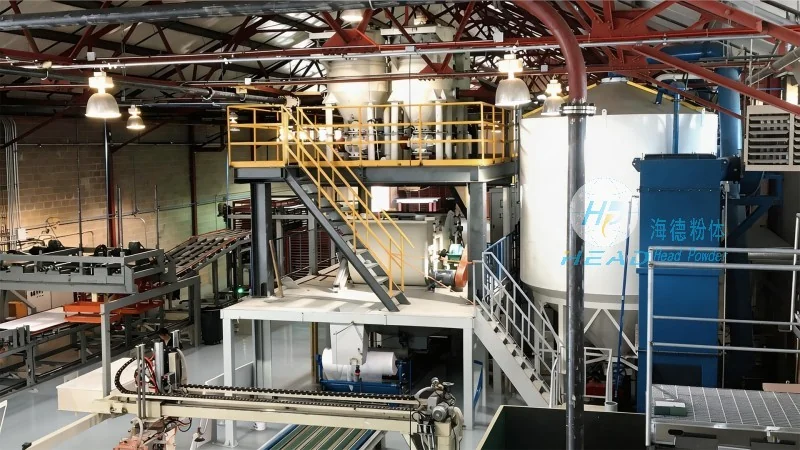
The fine sand powder pneumatic conveying system typically consists of several core components that work in concert to achieve efficient material transport. The primary components include a material feeder, which accurately meters the fine sand powder into the system; a conveying pipeline, which may be either positive or negative pressure, depending on the application; a separation and collection unit, which returns the powder to the process or stores it; and a control system that monitors and adjusts the conveying parameters in real-time. The design principles focus on maintaining consistent air velocity, pressure, and material flow rates to prevent clogging, ensure uniform particle distribution, and minimize energy consumption.
Design Considerations for Fine Sand Powder Systems
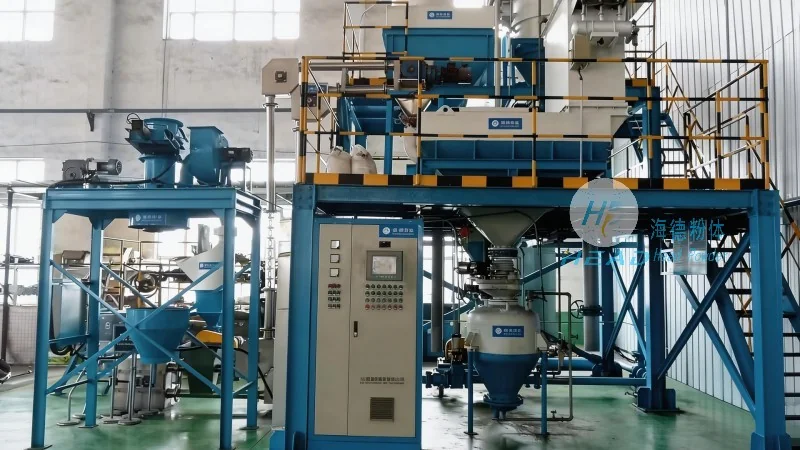
When designing a fine sand powder pneumatic conveying system, engineers at Shandong HeadPowder Engineering Co., Ltd. consider several critical factors to ensure the system meets the specific needs of the application. These factors include the particle size distribution, moisture content, and density of the fine sand powder, as these properties directly impact the system's air velocity requirements and potential for agglomeration. The system's layout, including the length and diameter of the conveying pipeline, the number of bends, and the placement of the separation unit, are all optimized to minimize pressure drop and energy usage while maintaining the desired conveying capacity. Additionally, the choice of materials for the pipeline and components is crucial to prevent corrosion or wear from the fine sand particles, ensuring long-term durability and reliability.
Advantages of Pneumatic Conveying for Fine Sand Powders
Compared to traditional mechanical conveying methods, such as screw conveyors or belt conveyors, pneumatic conveying offers several advantages for transporting fine sand powders. These advantages include the ability to handle materials with high moisture content or sticky properties, as the air flow helps to fluidize the particles and prevent blockages. Pneumatic systems also provide a closed-loop operation, which reduces dust emissions and improves workplace safety. Furthermore, the flexibility of pneumatic conveying allows for easy integration with existing process equipment and the ability to transport materials over long distances without the need for multiple transfer points. The design principles of these systems are tailored to maximize these benefits while minimizing operational costs and maintenance requirements.
Customization and Application Scope
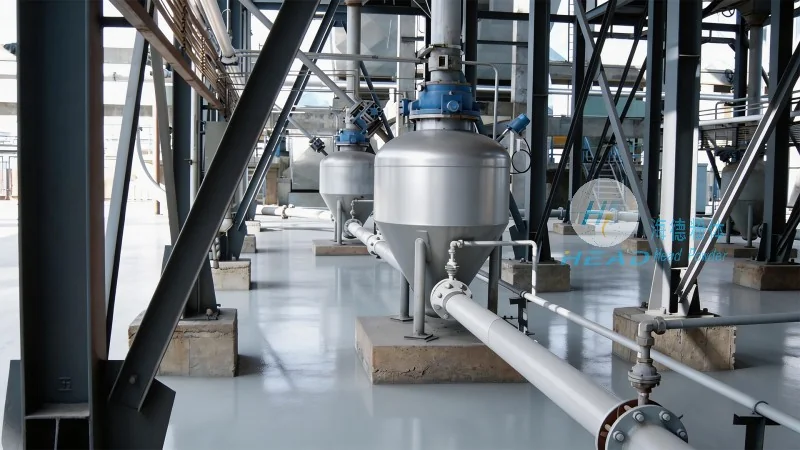
Shandong HeadPowder Engineering Co., Ltd. specializes in designing and manufacturing customized fine sand powder pneumatic conveying systems to suit a wide range of industrial applications. These systems are used in various industries, including mining, construction, and chemical processing, where fine sand powders are a key raw material. The company's engineers work closely with clients to understand their specific requirements, such as the desired conveying capacity, distance, and environmental conditions, and then develop a system that meets those needs. The customization process includes selecting the appropriate conveying method (positive or negative pressure), determining the optimal air velocity and pressure, and selecting the right materials for the components. The final system is rigorously tested to ensure it meets all performance and safety standards before delivery.