For industries dealing with monosodium glutamate (MSG), the selection of an efficient and reliable material handling system is critical to operational efficiency and product quality. Pneumatic conveying technology has emerged as a key solution, offering advantages such as hygienic operation, reduced contamination risk, and flexibility in system design. This article explores how pneumatic conveying systems are applied in the design optimization of monosodium glutamate transportation, highlighting the benefits and considerations for manufacturers.
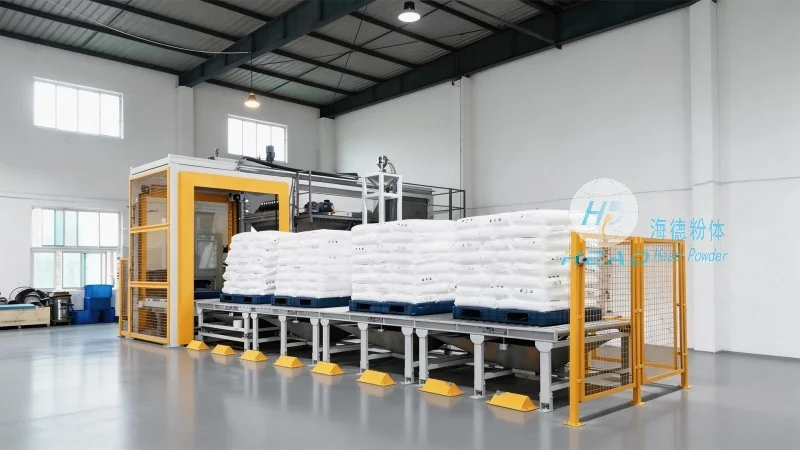
Introduction to Pneumatic Conveying in MSG Handling
Monosodium glutamate is a widely used flavor enhancer in the food industry, and its transportation requires systems that maintain product integrity while ensuring safety and efficiency. Pneumatic conveying systems use air or other gases to transport bulk materials like MSG through pipelines. This method is particularly suitable for MSG due to its hygroscopic nature and the need for clean, sterile handling environments. Unlike traditional mechanical conveying methods, pneumatic systems minimize direct contact with equipment, reducing the risk of contamination and ensuring compliance with food safety standards.
Key Benefits of Pneumatic Conveying for Monosodium Glutamate
Implementing pneumatic conveying technology in monosodium glutamate transportation offers several advantages. First, it provides a hygienic and closed system, which is essential for food-grade products. The absence of moving parts in the conveying line reduces the likelihood of product contamination from external sources. Second, pneumatic systems allow for precise control over material flow, enabling consistent delivery rates and minimizing product degradation. Third, the flexibility of pneumatic conveying allows for integration with existing production lines, adapting to varying production volumes without significant modifications. Additionally, these systems can handle different particle sizes and moisture contents of MSG, ensuring reliable performance across diverse operational conditions.
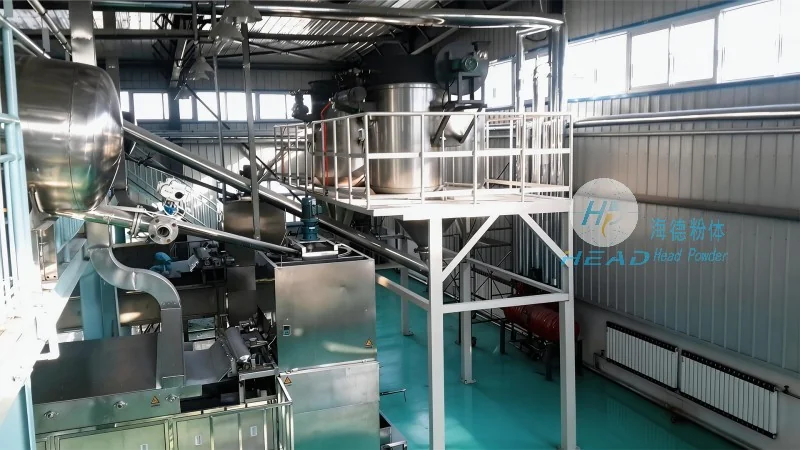
Design Optimization Considerations for Pneumatic Conveying Systems
Optimizing the design of a pneumatic conveying system for monosodium glutamate involves several critical factors. The choice of conveying method—such as dilute-phase or dense-phase—depends on the specific application requirements. Dilute-phase systems are suitable for high-volume, low-pressure applications, while dense-phase systems are ideal for transporting sensitive materials with minimal pressure drops. The pipeline layout and material selection are also crucial. Stainless steel pipelines are preferred for their corrosion resistance and ease of cleaning, ensuring long-term durability and compliance with sanitary standards. Additionally, the system's air pressure and flow rate must be carefully calibrated to prevent product degradation or blockages, which can occur if the conveying parameters are not optimized.
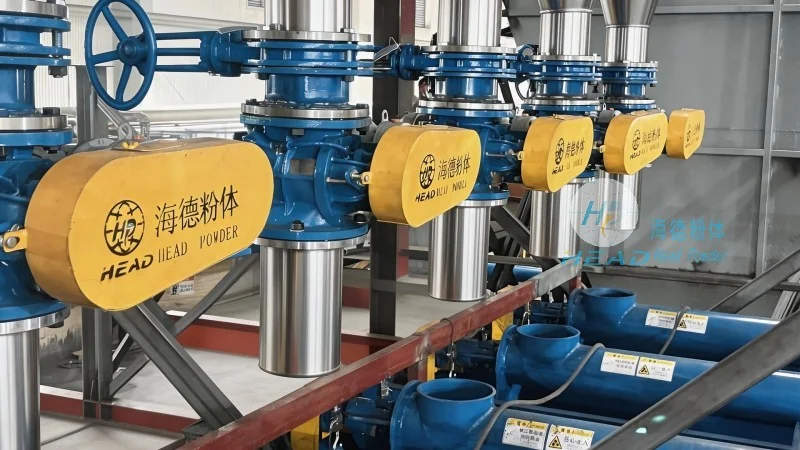
Case Study: HeadPowder Engineering's Pneumatic Conveying Solutions
Shandong HeadPowder Engineering Co., Ltd. specializes in providing customized pneumatic conveying solutions tailored to the unique needs of monosodium glutamate manufacturers. With years of experience in the industry, HeadPowder has developed advanced systems that integrate cutting-edge technology with practical design. For instance, a recent project involved designing a dilute-phase pneumatic conveying system for a large MSG production facility in China. The system was engineered to handle 500 tons of MSG per day, with a focus on maintaining product quality and operational efficiency. The design included stainless steel pipelines, variable frequency drives for air pressure control, and advanced filtration systems to ensure clean air delivery. The result was a significant reduction in handling time and a decrease in product loss, demonstrating the effectiveness of optimized pneumatic conveying in MSG transportation.
Conclusion and Future Trends
As the demand for monosodium glutamate continues to grow, the importance of efficient and reliable material handling systems cannot be overstated. Pneumatic conveying technology, when properly designed and optimized, offers a superior solution for MSG transportation. By leveraging the expertise of companies like Shandong HeadPowder Engineering Co., Ltd., manufacturers can enhance their operational performance, ensure product quality, and meet stringent industry standards. The future of pneumatic conveying in the food industry is likely to involve further integration of automation and smart technologies, enabling even more precise control and monitoring of material flow. For businesses in the MSG sector, investing in optimized pneumatic conveying systems is a strategic move toward improving productivity and maintaining a competitive edge in the market.




